

Getting the Most Out of Your UV Lamps Without Breaking the Bank
We do everything ourselves. From the raw materials to the final lamp, we handle the whole production chain. Why? Because it cuts out the middlemen and their markups. It means we can build a tube to your exact voltage and wattage specs without you having to pay a “wholesale premium” just for the privilege.
The balance of power and heat
Here is the thing about UV lamps: it’s all a balancing act between the thickness of the Quartz and how hard the filament is working. If you need a high-power tube, you’re concentrating a lot of energy into a tiny space. That’s great for curing things faster, but it getshot. Really hot. Just make sure your housing has enough airflow to breathe, or you’ll risk stressing the quartz and ending up with a broken lamp. We calibrate the wattage and voltage carefully so your tubes don’t just burn out the moment you push them.
Materials that actually last
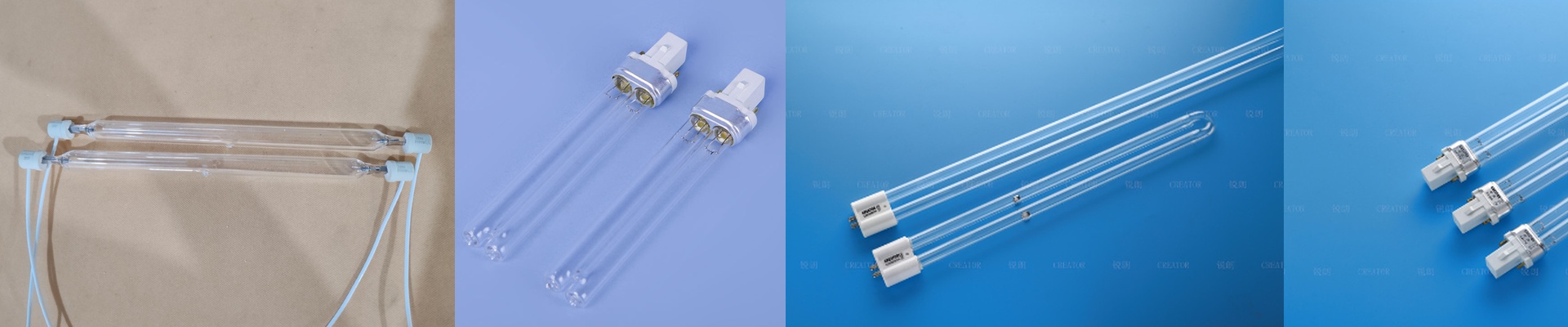
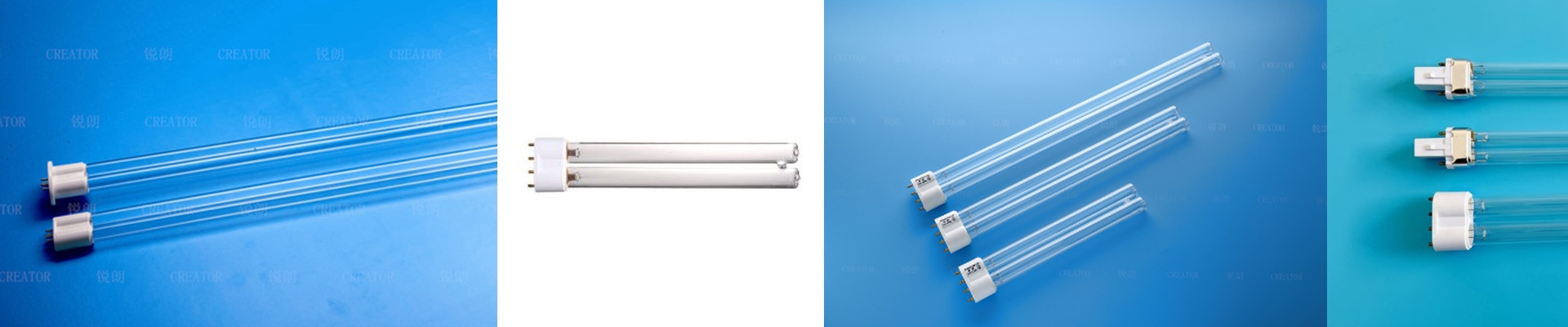
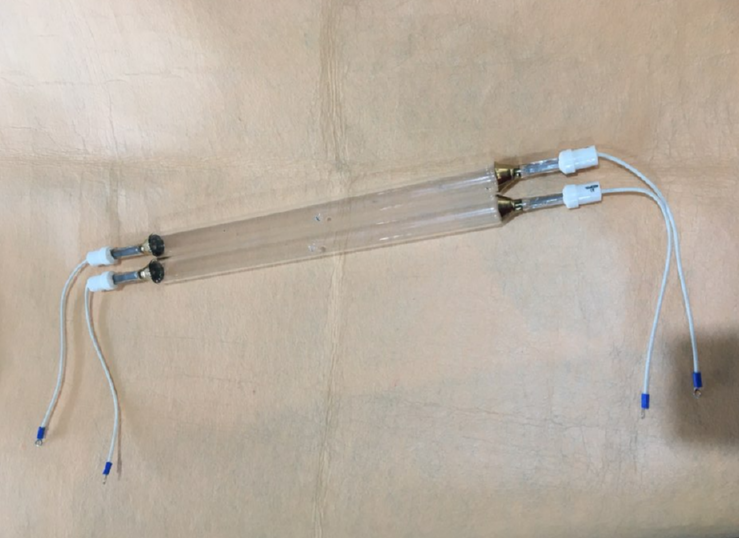
We stick with high-purity synthetic quartz. It’s tough. It lets the UV light through without blocking it, and it doesn’t freak out when industrial temperatures swing wildly from hot to cold. Depending on what you’re actually curing, we can add different coatings to shift the light spectrum. And since nobody wants a headache during installation, we use standard connectors like R7s or Sk15. They just slide right in. Plus, they create a tight electrical seal, so you don’t have to worry about nasty arc-overs at the terminals.
Finding the sweet spot
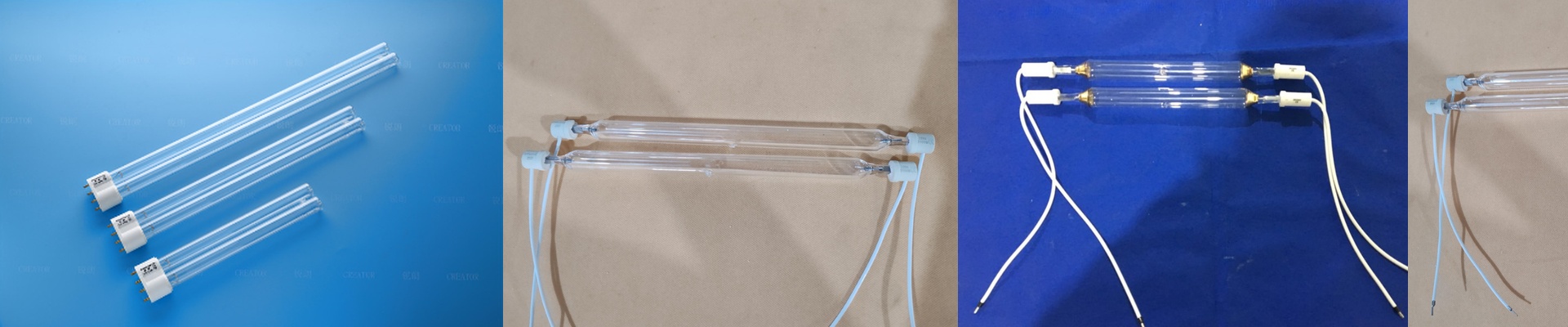
Since we handle the quartz and the filament winding in-house, we can tweak the length and diameter to fit your specific machine perfectly. But a word of advice: don’t redline your lamps. If you push a lamp to its absolute maximum wattage, you’re going to eat through the electrodes much faster. We usually suggest running them at about 80-90% capacity. You still get the UV dose you need, but your lamps last way longer. It’s a simple way to keep your operating costs down without sacrificing the quality of your work.