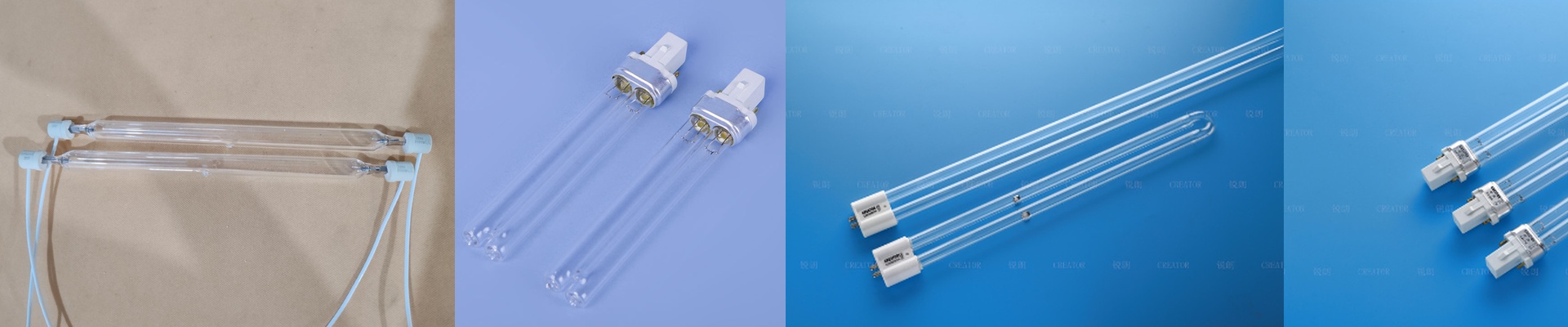


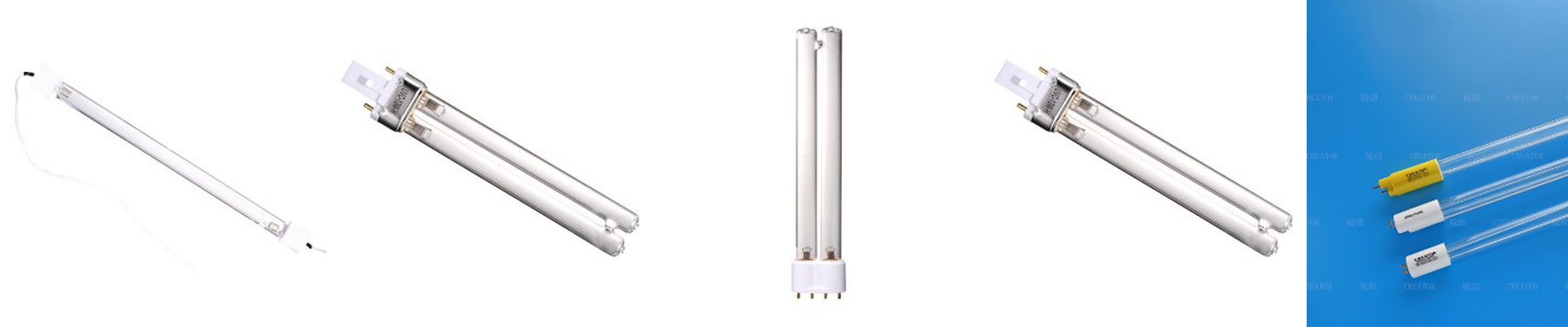

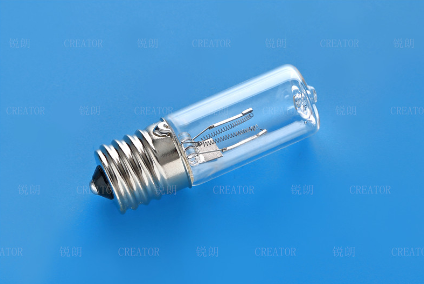
Getting the Most Out of the 80W/cm Mercury UV Lamp
When we talk about our standard mercury UV lamps, the number you’ll hear most is 80 Watts per centimeter. Now, that might sound like just another spec on a sheet, but in the real world, it’s everything. It’s the difference between a perfect finish and a total mess. If you’re pushing high-speed printing or dealing with thick coatings, you need that specific punch of energy to make sure the ink actually sets before it flies past the lamp head.
The Heat Factor
Here is the thing: packing that much power into a small space creates a lot of heat. A lot. You can’t just slide these into any old housing and hope for the best. You’ve got to make sure your cooling—whether you’re using forced air or water jackets—can actually keep up. If the heat builds up, the quartz envelope takes the hit, and your lamp will burn out way sooner than it should. It’s a quick way to waste money.
How It Actually Works
Inside the tube, we’re exciting mercury vapor. Once the arc settles in, you get those strong peaks at 254nm and 365nm. We use high-purity quartz for a reason. We want those wavelengths to blast right through the glass and hit your product, not get trapped inside the tube. Because of that, these usually slide right into most standard curing presses without any fuss.
Making It Work in Your Shop
We don’t just ship you a tube and wish you luck. We want to make sure your wiring is spot on. Your ballast needs to match the lamp’s voltage and current exactly. If you over-drive them, you’re just killing the lamp’s lifespan. But if you under-drive them? You get “under-cure.” That’s the worst—where the surface feels dry to the touch, but the bottom layer is still a sticky mess. One last tip: check your reflectors every six months. It sounds simple, but a dirty reflector can eat up 20% of your output. Suddenly, your 80W/cm lamp feels like a weak flashlight, and you’re left wondering why the ink isn’t setting. Keep them clean, and you’re golden.