The Physics of Disinfection: Power Demands Precision
Let’s talk about GE UV germicidal lamps—specifically, the kind that use the UVC band. Here’s the thing: these aren’t your average light bulb. Not even close. The output is measured in microwatts per square centimeter, and the real magic is in the dose—intensity multiplied by exposure time. A lamp might have the right wattage on paper, but if it’s dealing with voltage swings or just getting old, it can give you a false sense of security. The only way to be sure you’re hitting microorganisms with a lethal dose is to keep an eye on the radiation intensity, constantly. Without that data? You’re just crossing your fingers and hoping.
Technical Deep-Dive: Specs Drive the System
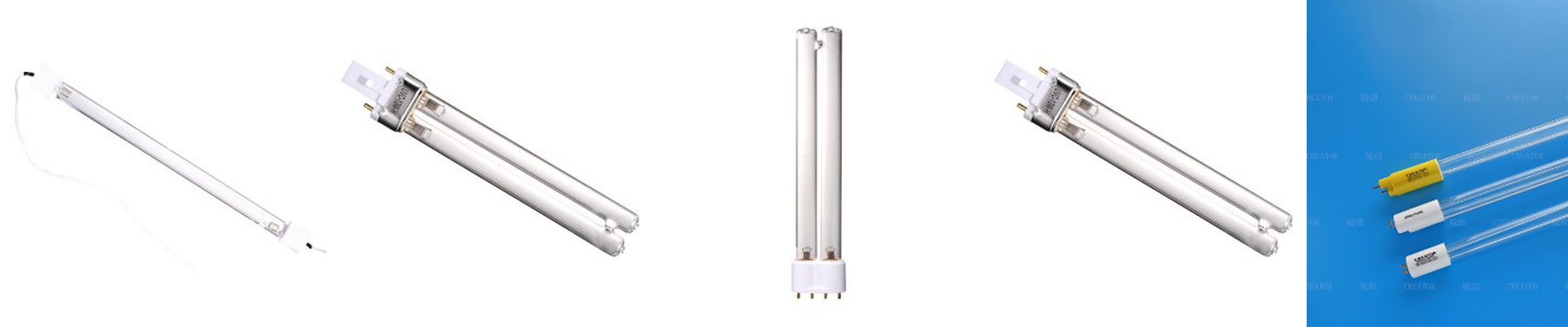
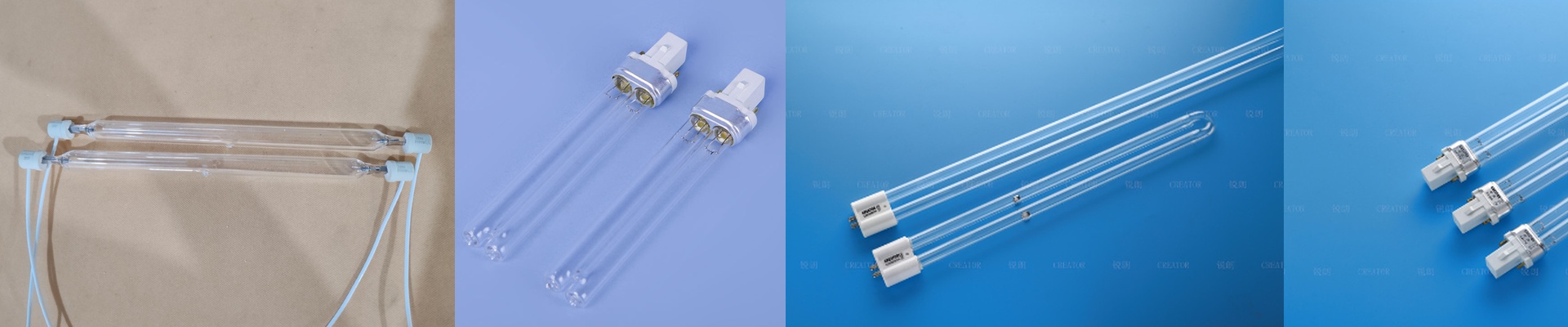
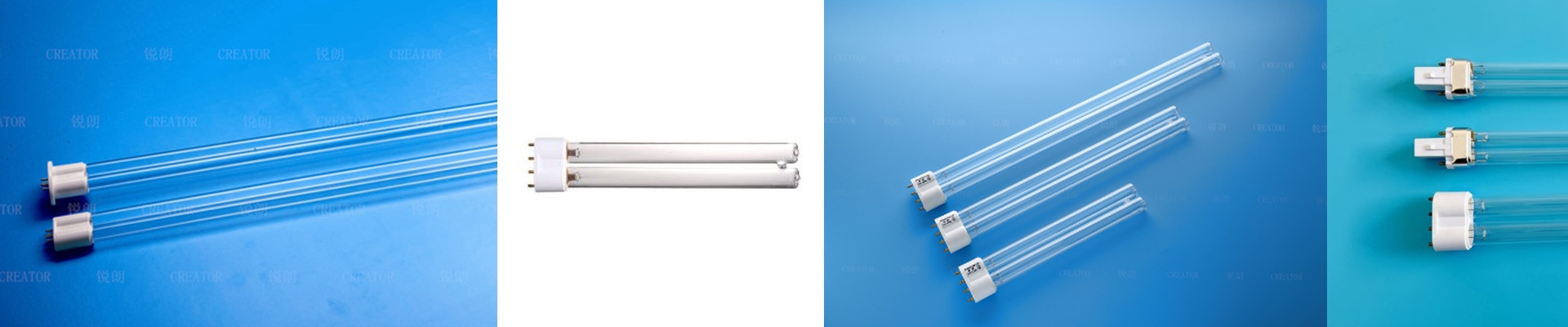
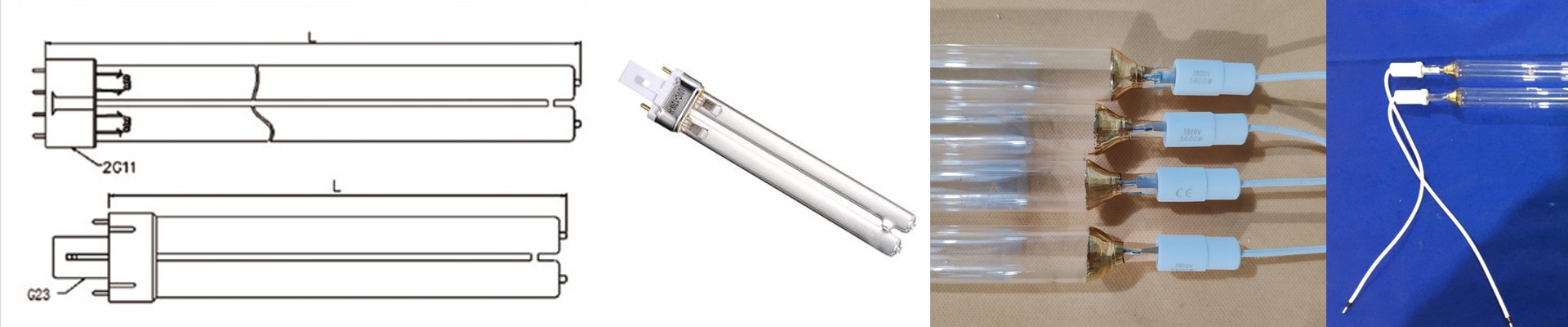
These lamps are built to run at a very specific electrical load—think 36W, 75W, or 150W—on either a 120V or 230V circuit. The length of the tube matters, too. You’ll usually see 9-inch or 18-inch tubes, and that length directly affects the arc and the total output. We match the power density to the size of the chamber, plain and simple. If you try to wire a 150W unit into a system designed for 75W, you’re asking for trouble. You could overdrive the ballast and end up with an overheating housing. The specs aren’t arbitrary—they’re there to keep the physics stable. You’ve got to match the input to the designed output to keep that intensity curve where it needs to be.
Material & Design: Built for the UVC Environment
Inside, you won’t find standard glass. The core is a quartz sleeve. Why? Because regular glass blocks UVC. Quartz lets that critical 253.7nm wavelength pass right through. And that internal amalgam coating? It keeps output steady, even when the surrounding temperature is all over the place. So the lamp doesn’t quit on you in a hot industrial setting. Even the connectors—usually bi-pin or specific bases—are built for high-voltage stability. They prevent arcing and hold a rock-solid connection, even after thousands of on/off cycles.
Application & Benefits: Validation Over Assumption
In industrial water treatment or air purification, a failure isn’t just a glitch. It means contamination. That’s why monitoring intensity gives you peace of mind. You get hard data. You can confirm the lamp is delivering the required dose—say, 40 mJ/cm², or whatever your target is. Yes, adding the sensor hardware costs a bit more upfront. But it’s a small price compared to a recall. We design the lamp to drop right in as a replacement, but the real win comes from monitoring the radiation. It turns the whole system from a hope and a prayer into a verified, dependable process.