Introduction
We built these 254nm UV sterilization lamps for one reason: outdoor advertising printing is brutal. The sun, the rain, the constant temperature swings—they’ll make a print fade before you know it. Our goal is simple: lock the pigment into the canvas so your work stays vivid, no matter what the weather throws at it. You’re not just getting a bulb. You’re getting a whole curing system designed to give your large-format prints the consistent, reliable surface energy they need to hold up.
The Secret Sauce
Here’s the thing: the magic is in the 254nm shortwave output. It’s tuned to wake up the photoinitiators in your UV-curable inks, triggering an immediate polymer cross-link. We’re talking about a deep, structural cure—not just a dry surface. For wide outdoor canvas, we make sure the lamp delivers the right dose across the entire print width. That means the cure is even from one edge to the other. And the power is matched to your line speed, so the ink cures all the way down to the base layer.
Built to Last
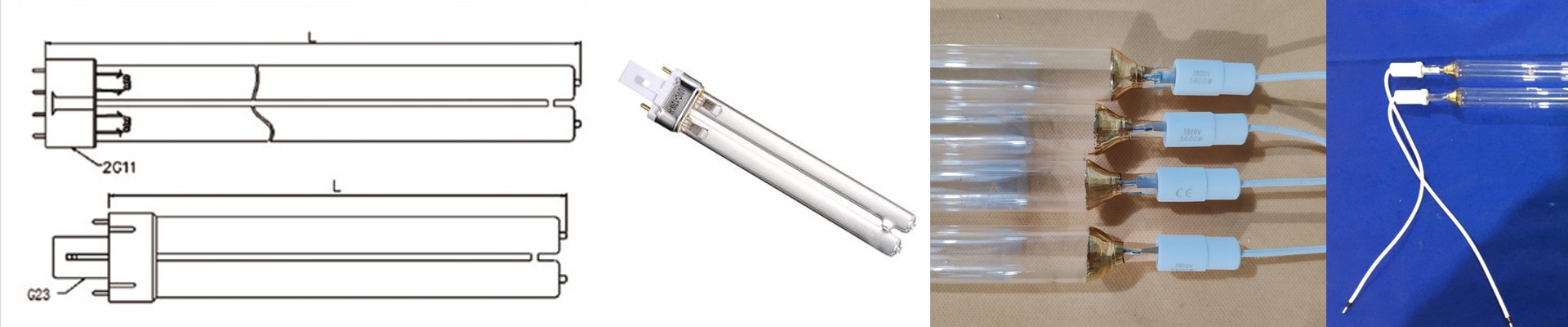
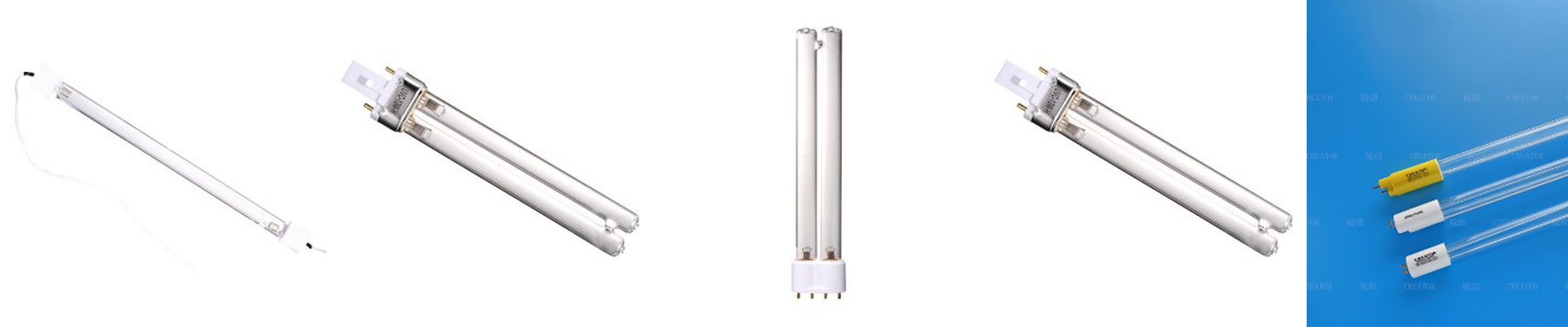
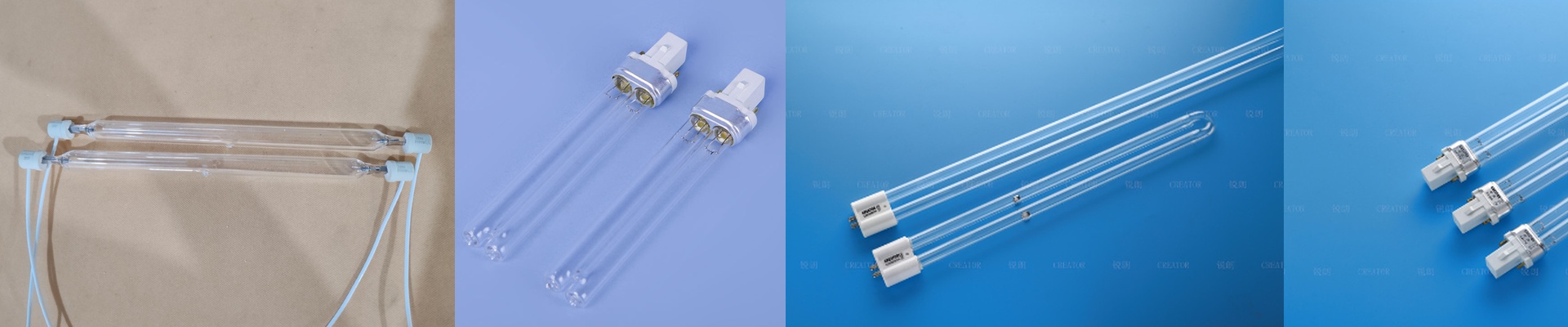
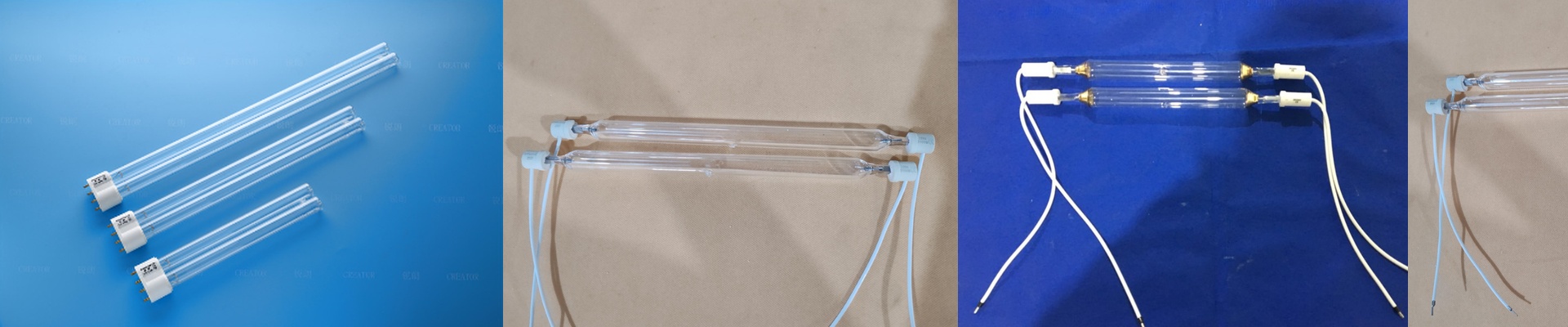
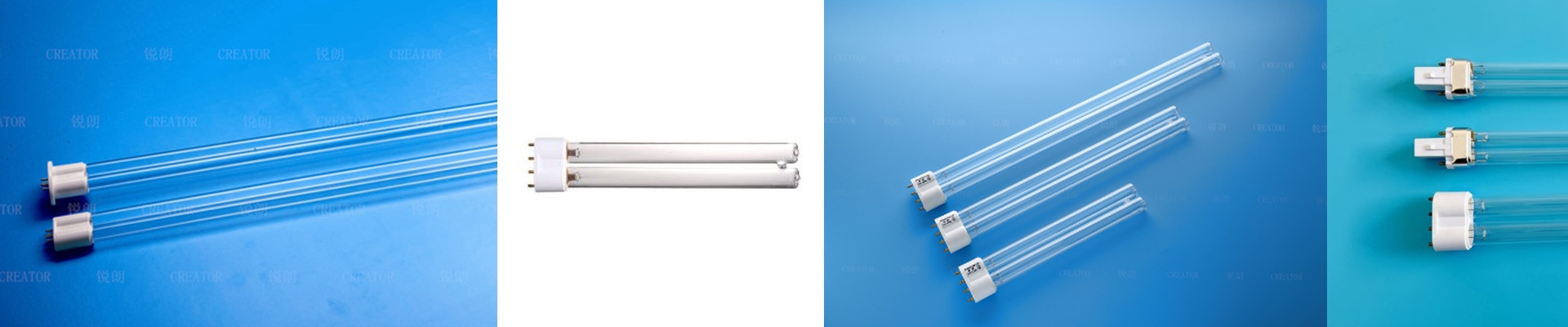
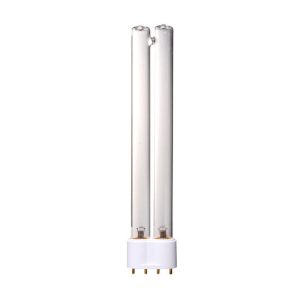
We use a quartz envelope because it lets that 254nm wavelength through cleanly and handles the thermal shock of rapid on/off cycles on a busy shop floor. These lamps are built for the real world. They can take the vibration, the dust, and the heat. The connector interface is a simple drop-in fit for the sockets you already use, so you can get it wired up without re-engineering the whole fixture. Less changeover time. Less downtime.
What It Means for Your Prints
Outdoor canvas has to hold its color and adhesion for years. Our 254nm lamp cures the ink into a tough, high-crosslink network, which means better weather resistance and less pigment migration. In controlled tests, properly cured prints keep their color density and coating integrity. But there’s one thing to keep in mind: heat. High-output UV puts more energy into the substrate, so your dryer and cooling system need to be up to the task. When you match the lamp output to your machine’s thermal capacity, you get a stable cure that holds up in the field.