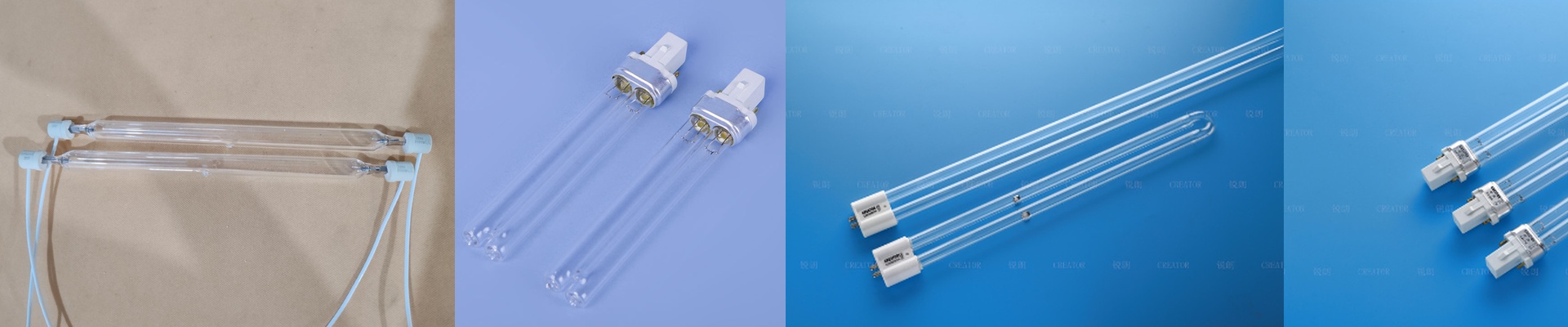
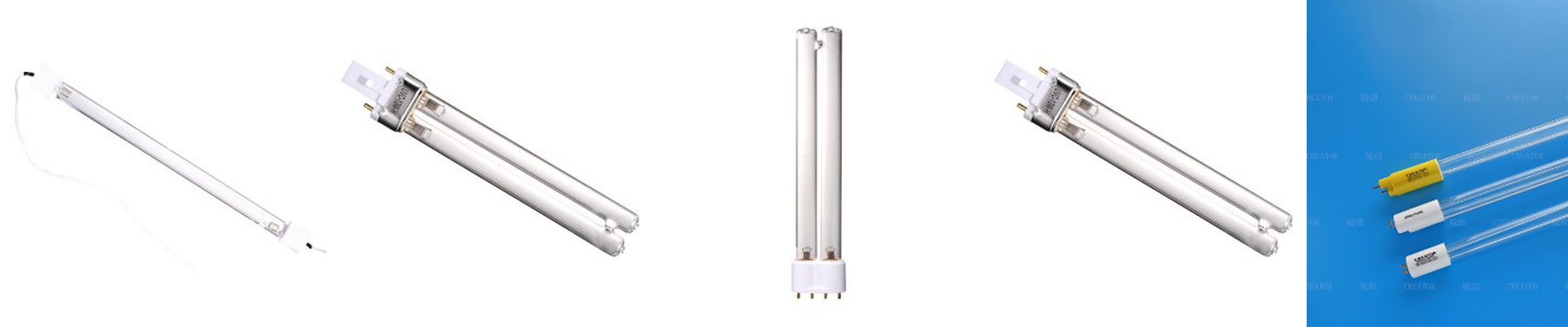
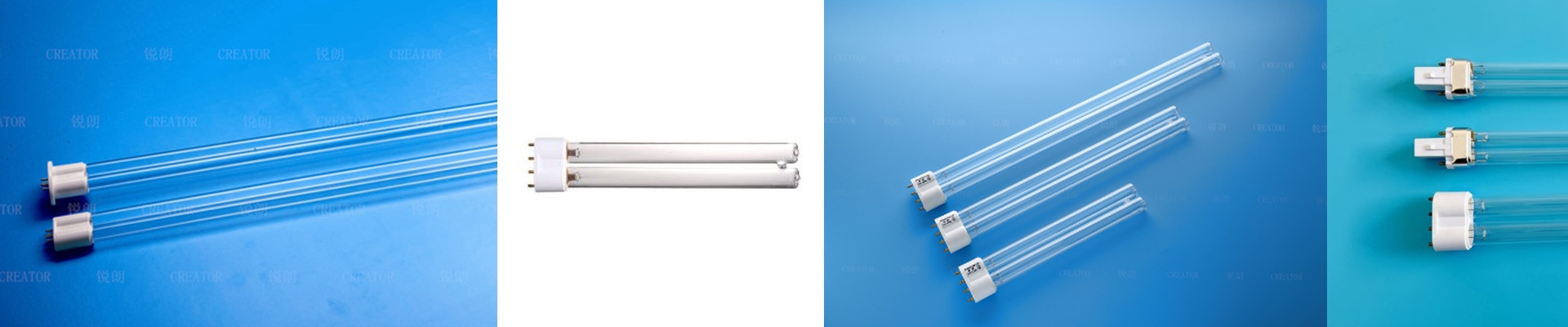
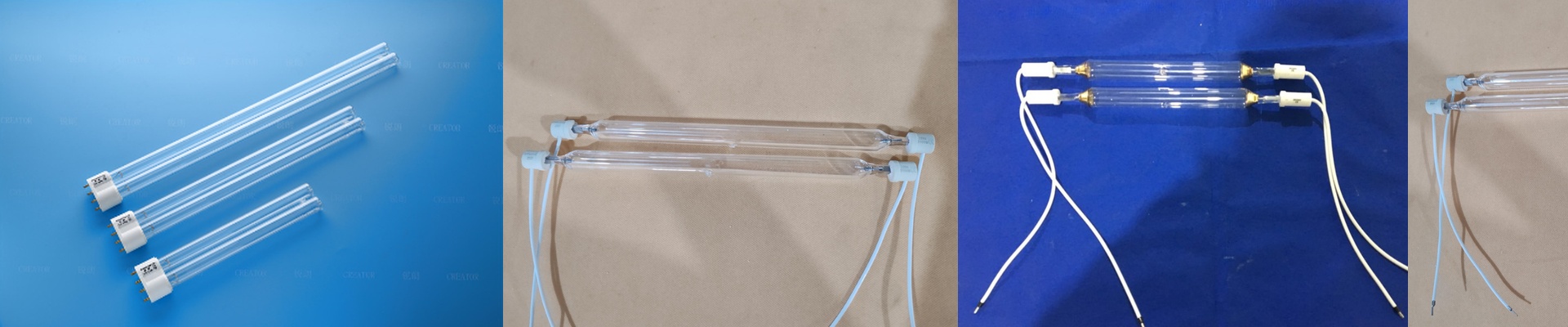
On the floor, you don’t need a report to see the problem. You see it in every misregistered print and every cockled edge. Heat-sensitive fabrics—polyester, recycled blends, coated technical textiles—don’t cut you any slack when you overload them with heat. Convection ovens and long-wave IR dryers push the substrate past its glass transition, and then you’re dealing with shrinkage, warping, and color shift. The fallout is scrap, rework, and throughput you never got back. We built our high-intensity UV spot curing system around one hard requirement: deliver curing energy without delivering bulk heat. That means a true cold-source approach—high photon flux in the UV band, minimal infrared emission, and tight control of how much the substrate temperature climbs.
What actually matters: spectral power, peak irradiance, and curing density
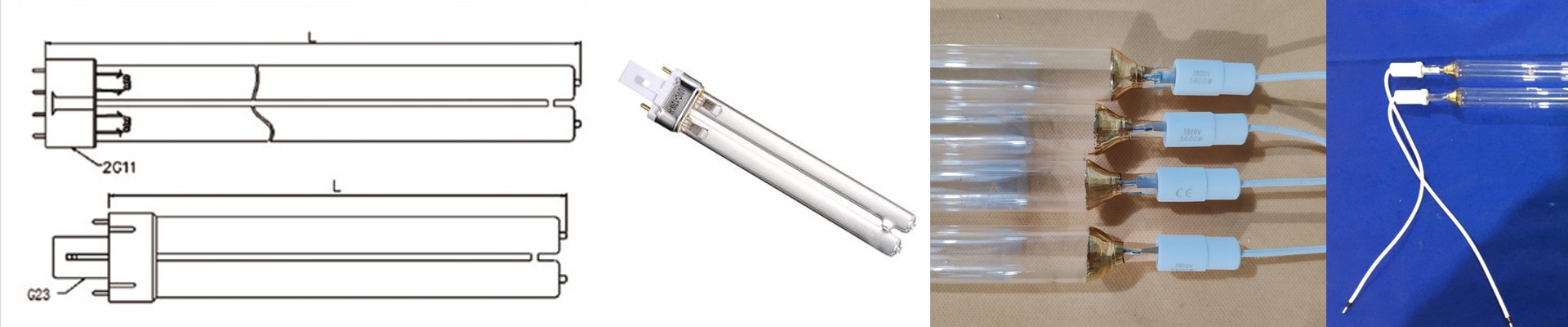
High-intensity UV spot curing isn’t just “a bright lamp.” It’s a photochemical delivery system, engineered. The performance that counts is the performance you can measure. We run a high-pressure mercury vapor lamp in a reflector assembly tuned for collimated output. The spectral output is dominated by the mercury lines at 365 nm, 385 nm, and 405 nm. For most textile UV inks, 365 nm is the sweet spot—strong absorption into the photoinitiator package, fast radical generation, and rapid cross-linking. Forget marketing language. These are the numbers you verify at the substrate:
- Peak irradiance at the work plane: up to 12 W/cm² (application-dependent), measured with a calibrated spectral radiometer.
- Delivered energy density: 500–1,200 mJ/cm² in a single pass, adjustable by dwell time and spot size.
- Spectral stability: consistent output across lamp life, with controlled arc stability and reflector dichroic coatings that keep the spectral selectivity honest. That’s what gives you an instantaneous surface cure while still driving full cross-linking through the ink film. The ink cures because the photons reach the photoinitiators—through the whole layer—fast enough to finish polymerization before the ink can wet or migrate. We also build the system to be ozone-free by limiting short-wave output below 240 nm, typically through quartz envelope selection and proprietary coatings. That matters on the floor. Less ozone means fewer ventilation demands, fewer oxidation concerns around sensitive components, and a noticeably more operator-friendly environment.
Why this works: cold-source curing without throttling your line
In heat-sensitive fabric printing, the constraint isn’t only cure speed—it’s keeping the substrate intact. You can cure fast, but if the fabric deforms, the job still fails. Our cold-source UV spot approach concentrates energy where it needs to be—in the UV band—while keeping the IR that causes bulk heating out of the equation. The result is curing that feels “cold” to the fabric. Surface temperature rise stays low enough to prevent dimensional instability, but the photon flux is high enough to deliver:
- Instantaneous cure: the ink hits tack-free right after the spot, so downstream handling doesn’t turn into a blocking problem.
- Deep penetration: UV energy propagates through the ink layer, not just across the top, so the cross-link is consistent from surface to base.
- Complete cross-linking: the curing profile reaches full conversion, so the print stands up to abrasion and chemical load without residual tack. In practice, that means fewer jams, less registration drift, and a process window you can repeat shift after shift. Because the cure is localized and instant, you can run higher line speeds without waiting for the substrate to cool. Energy use drops too—no big oven, no long heat-up cycles, and no continuous IR load. Lamp life matters for uptime. With proper ignition control, solid thermal management, and stable power delivery, we regularly see stable output past 2,000 hours, with many installations clearing 3,000 hours before end-of-life criteria. Output does drift over time, but if you schedule intensity checks and keep maintenance simple, you can stay inside your process tolerance.
The real-world details: integration, validation, and what can trip you up
This isn’t plug-and-play in the naive sense. High-intensity UV spot curing is an enabling subsystem, but it has to be integrated with intent.
- Installation and integration: The lamp head has to be aligned to the print path with repeatable positioning. Spot size, working distance, and dwell time are process parameters—set them like one, or you’ll pay for it later. You also need stable power and controlled cooling (air or liquid, depending on power density) to keep the reflector and lamp junction temperature within design limits.
- Compatibility: UV ink formulations vary. The photoinitiator absorption, pigment loading, and film thickness all determine the energy density you need. Run a dose-response test: measure cure with a radiometer, then confirm with adhesion and chemical resistance testing.
- The trade-off: High peak irradiance buys you speed, but it narrows the process window if alignment and intensity aren’t controlled. Output changes over time. A lamp that “looks bright” can still fall below the required mJ/cm² after hundreds of hours. Put intensity verification into your routine—daily or per shift—so you cure by spec, not by vibe. If you’re printing on heat-sensitive fabrics and your current drying method is forcing you to back off the throttle, change the physics of the process. Bring the curing energy in as photons, not heat. Use a high-intensity UV spot system engineered as a cold source: instantaneous, deep, and complete cure—without the deformation. That’s how you keep the fabric flat, the color true, and the line moving.