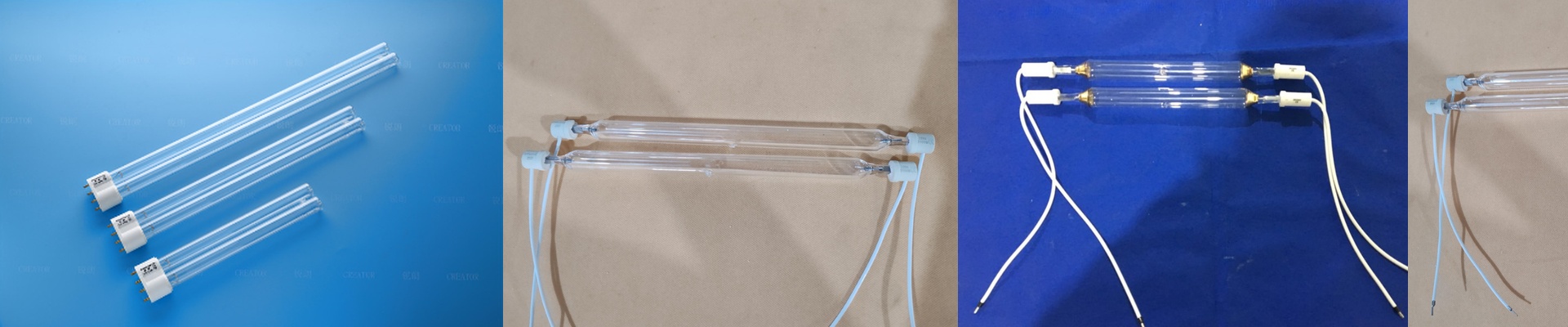
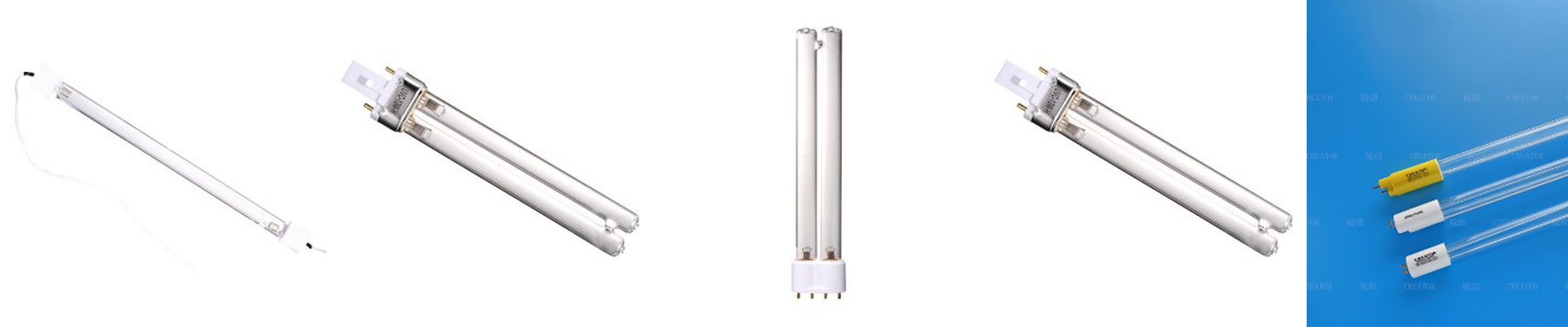
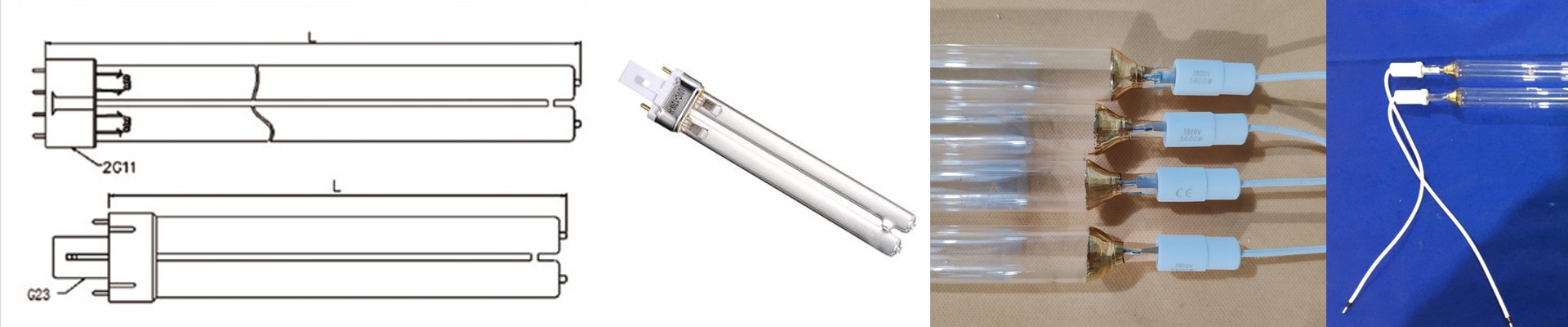
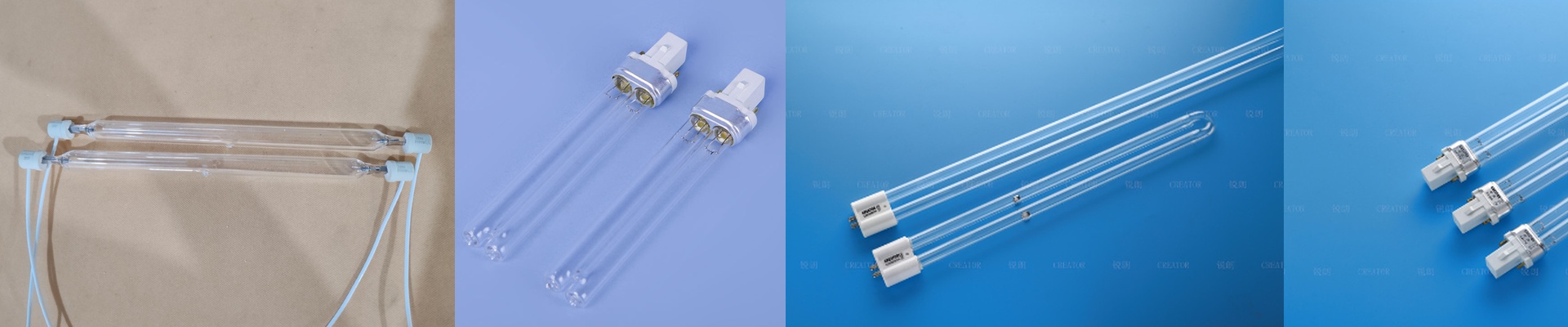
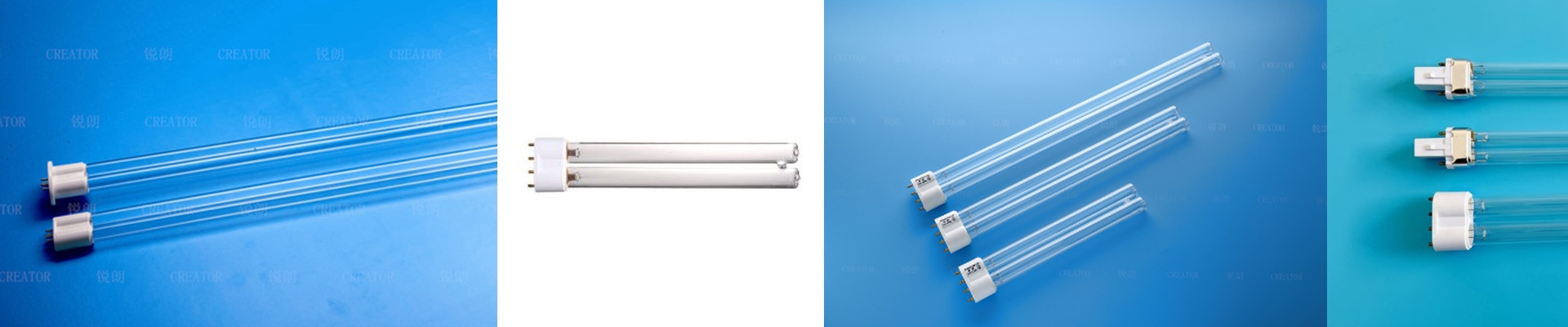
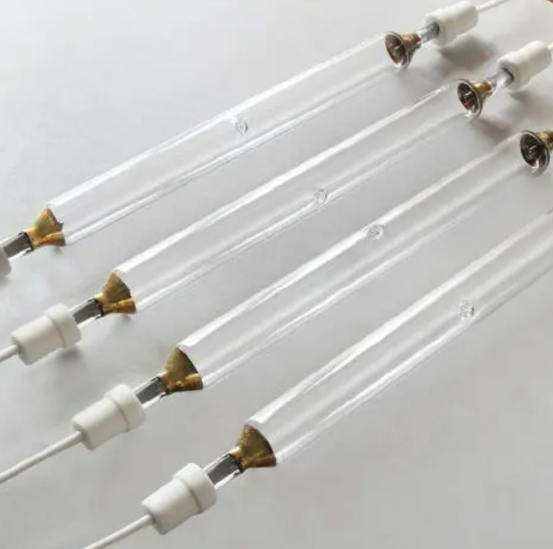
Cold storage and cold chain logistics are where standard UVC lamps fall apart—right when you need them most. At -20°C, conventional mercury vapor systems get shaky: arc instability, a long warm-up, and spectral drift. Pathogen control turns into a guessing game. We built a gallium-doped metal halide lamp specifically for sub-zero work, so you get stable 254nm UVC output without leaning on thermal compensation. The heart of it is the gallium-doped metal halide fill and the quartz envelope, paired with a low-pressure arc design. It fires up reliably below -30°C and hits over 90% output within 90 seconds. At 254nm, peak irradiance stays above 120 μW/cm² at 1m, and dose repeatability holds within ±3% even when the line voltage wanders. It runs ozone-free, uses a proprietary dichroic coating to knock down IR heating, and keeps the spectral output steady past 5,000+ hours—less than 5% drop. Here is why it matters in a -20°C environment: you get predictable microbial inactivation on packaging, pallets, and conveyor belts, without the output sag that forces you to overexpose just to feel safe. Stable cycles. Less energy per log-reduction. Fewer lamp changes. In practice, that means sanitation you can count on, without freezing the flow. A couple of practical notes. Use a matched ballast and ignitor calibrated for low-temperature ignition voltage. Check fixture clearance and reflector geometry so you don’t create cold spots. Aim for 30–50 mJ/cm² on target, and adjust distance for surface reflectivity. If you’re running below -30°C, you may need to derate—reference the start-up voltage versus ambient curve before you commit.