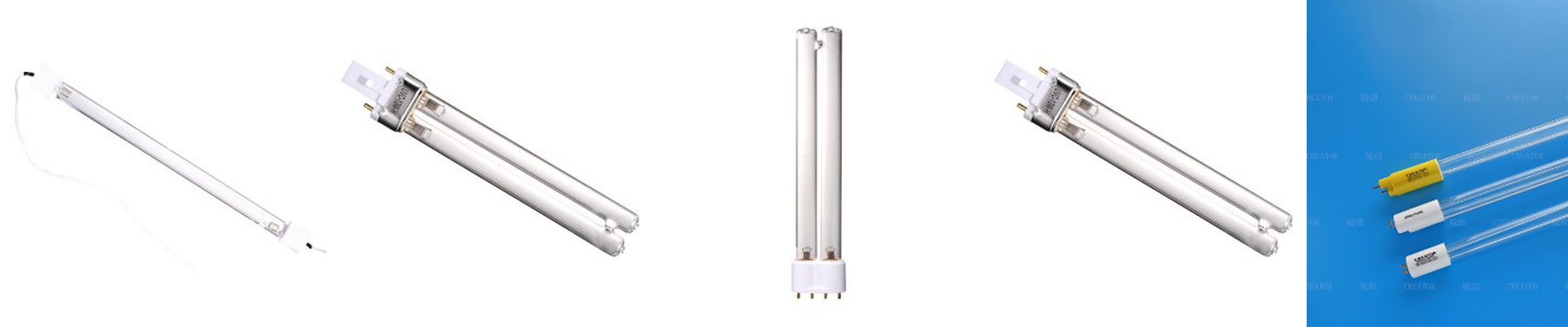
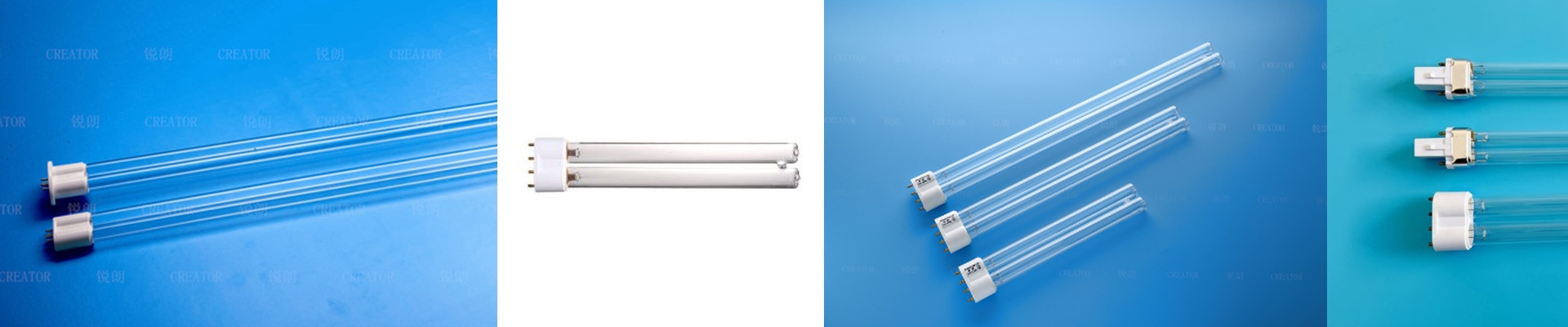
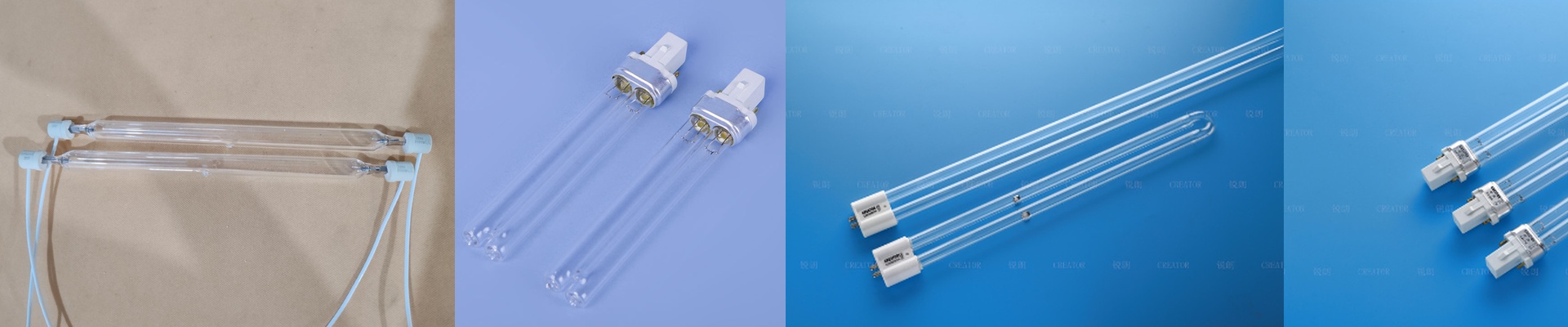
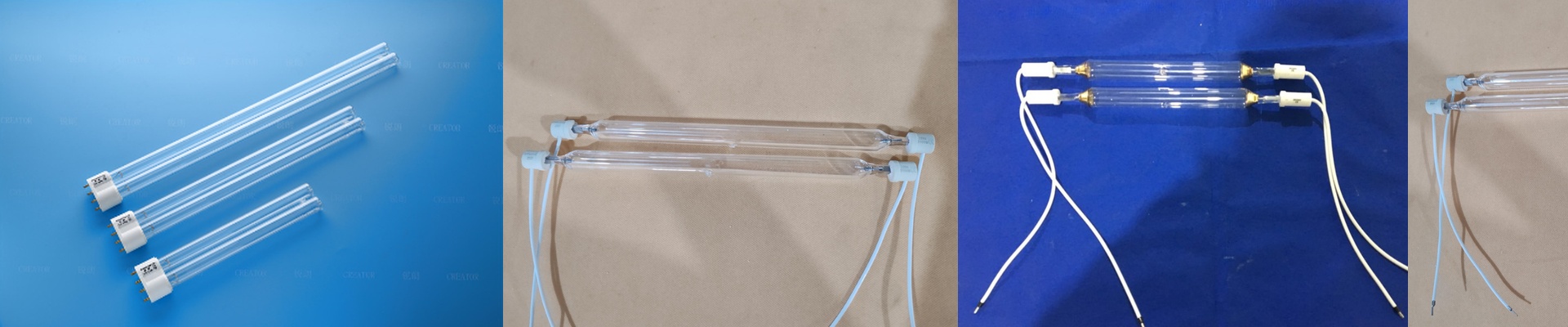
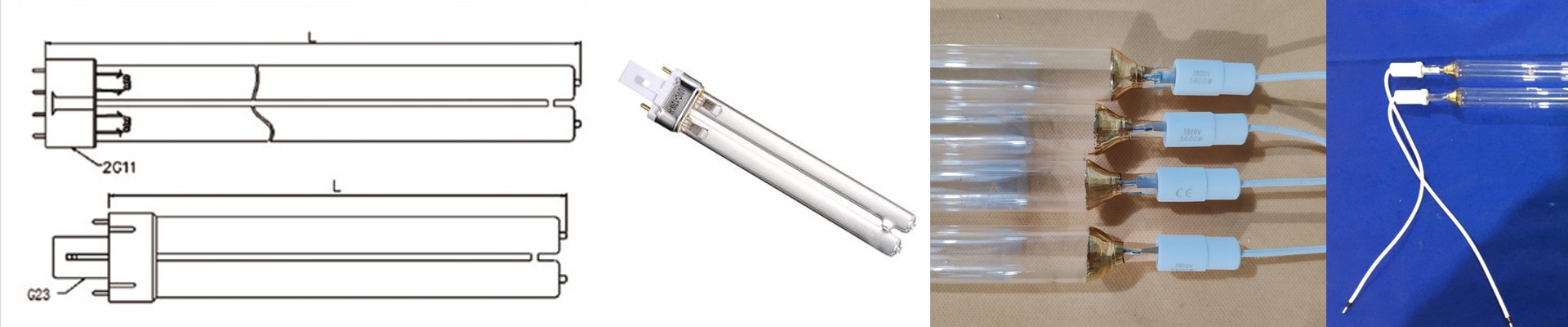
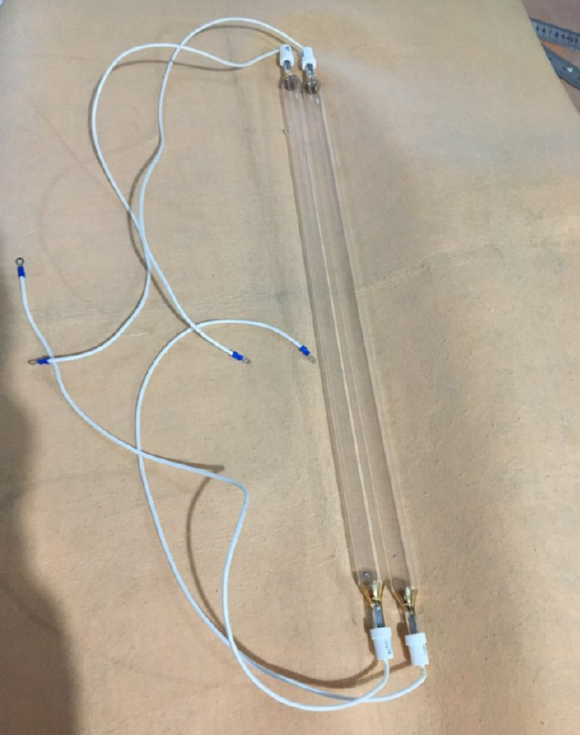
Top streetwear printers don’t chase trends—they control the variables that make or break a run. On a high-speed flatbed or rotary screen line, ink that stays wet longer than you planned will spread, dull, and push registration off. The answer isn’t cranking the heat. It’s spectral control and instant cross-linking. What matters technically We run a Gallium iodide UV lamp: a 5kW, 400V high-pressure mercury vapor source built for industrial curing. The Gallium iodide doping reshapes the spectral output, boosting the 365nm and 385nm bands that drive photoinitiator absorption in UV-curable inks. That gives you deeper photon penetration through the ink film, not just a surface skin. Peak irradiance stays consistent across the whole curing window, so thick deposits cure all the way through to the substrate—no residual tack. Instant on/off operation kills warm-up and cool-down delays, which keeps line speed stable. Why it works in the real world High-end textile printing lives and dies on color accuracy and saturation. Under a conventional broad-spectrum lamp, pigments can shift under different light, and the base can yellow, washing out the print. Gallium iodide emission delivers a cleaner, repeatable spectral profile, so pigment response stays consistent run after run. The lamp pulls complete, through-cure at production speeds—no more trusting a surface dry that hides an uncured core. You get dense blacks, crisp halftones, and a stable hand feel, with fewer rejects from smearing or incomplete cure. The details you can’t skip Match the lamp to the reflector and the cure distance. A dichroic-coated reflector tuned for 365–385nm maximizes delivered energy density and cuts wasted IR. Confirm your power supply and ballast are compatible with 400V and 5kW—voltage drop will flatten peak irradiance. Keep the operating distance inside the reflector’s focal band: move the lamp too far and curing energy collapses; move it too close and you’ll scorch the substrate. Output stays stable for thousands of hours, but plan lamp replacement around your maintenance window so irradiance stays within spec.