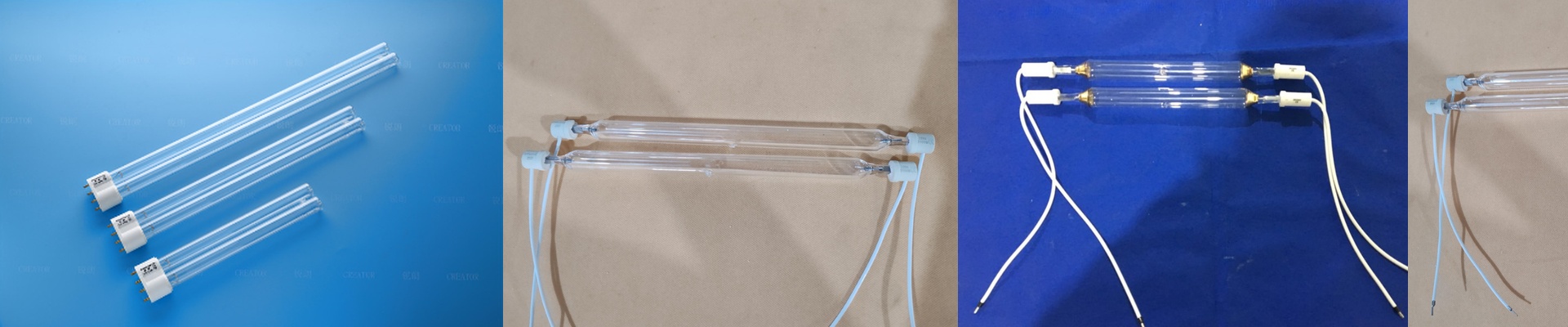
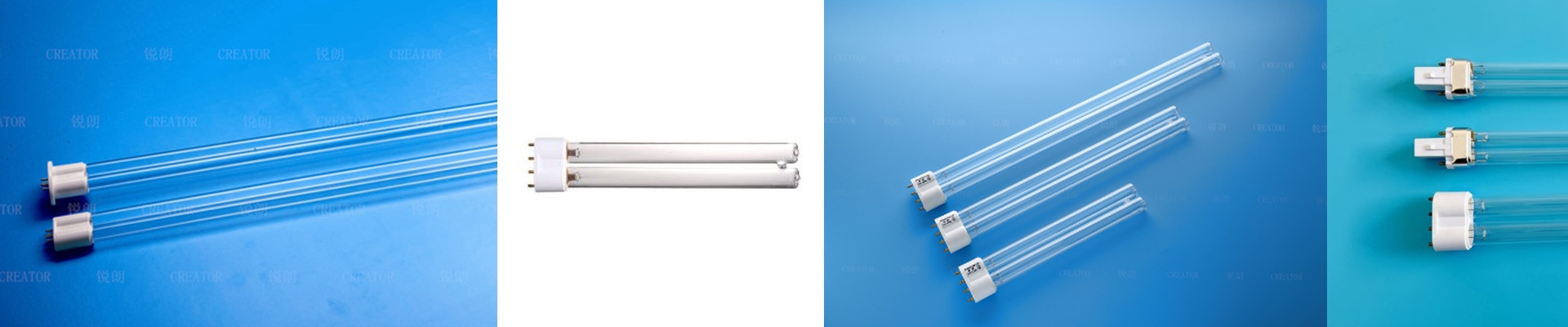
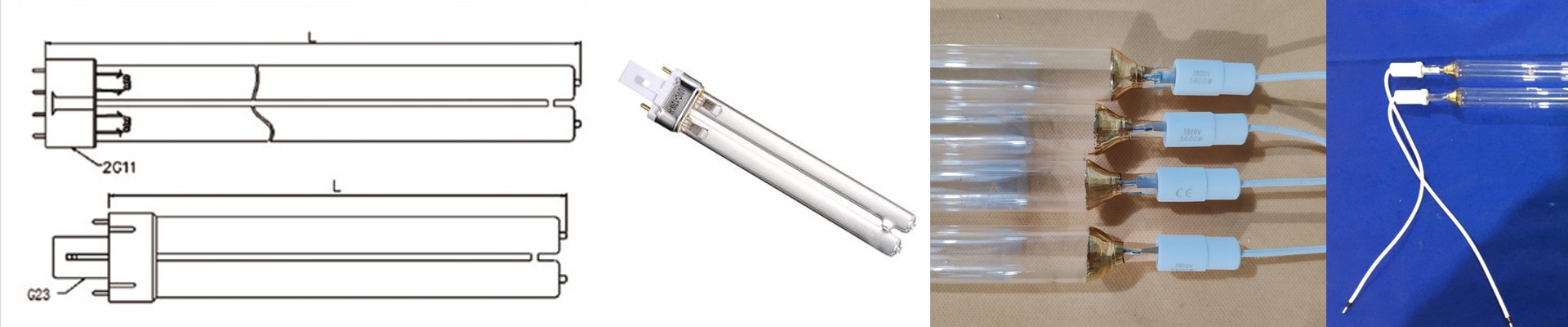
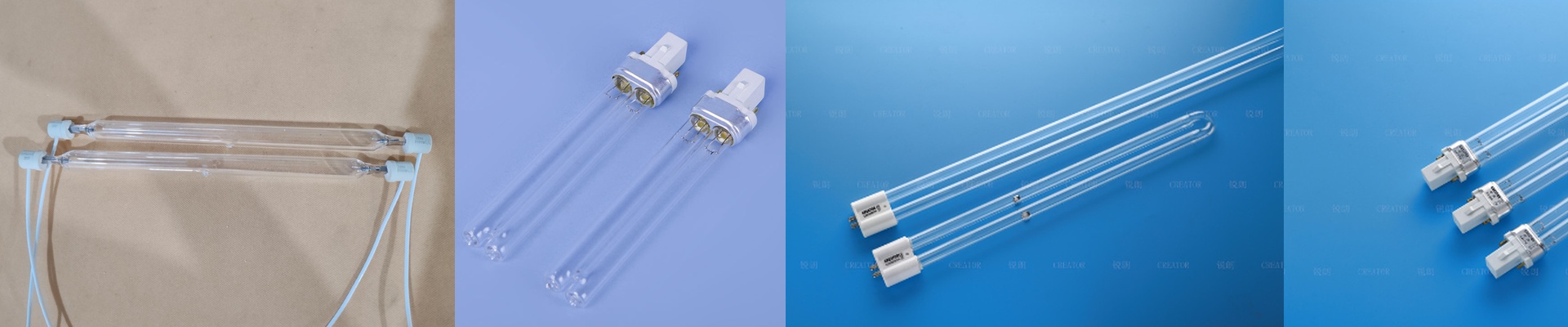
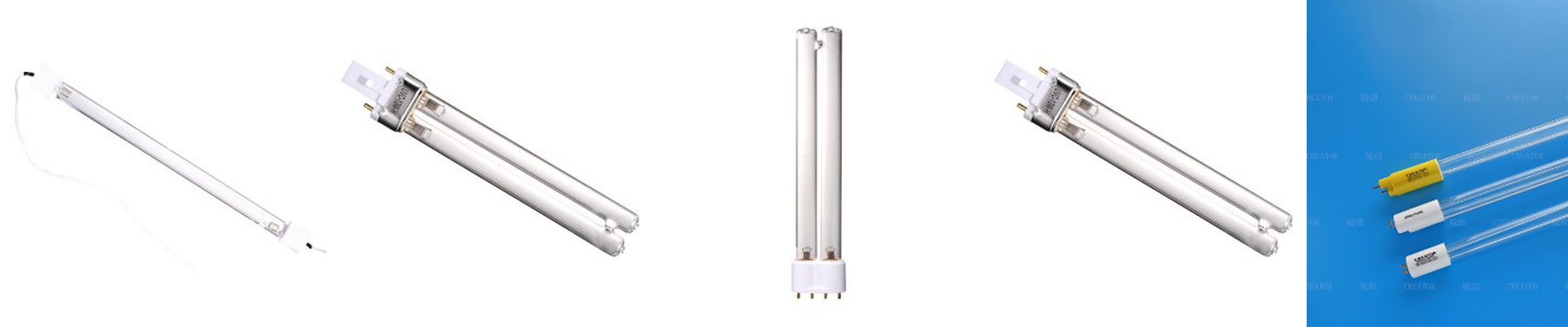
On the floor, that chemical disinfectant smell isn’t just an odor. It’s downtime for rinse-downs, the risk of residue on sensitive materials, and a steady drain on consumables and waste handling. When you have to disinfect packaging lines, cleanroom surfaces, or equipment between changeovers, chemicals slow you down and make compliance a headache. UVC germicidal lamps give you a straight alternative: in-line, dry, chemical-free disinfection. The question isn’t whether UV works—it’s whether your UVC setup delivers repeatable microbial kill, stable output, predictable lamp life, and safe integration into the process you already run.
What actually matters: spectrum, dose, and stability
UVC disinfection is a dosage problem, not a “brightness” problem. You’re looking at irradiance (mW/cm²) at the target, multiplied by exposure time, to get energy density (mJ/cm²). The required UVC dose depends on the organism’s resistance and the geometry of the surface, and the lamp has to hit that dose consistently across the whole treated area. We lean on low-pressure mercury vapor lamps, with the primary germicidal output at 253.7 nm—right where DNA and RNA absorb strongly. In practice, that wavelength disrupts microbial replication through photophysical action, without leaning on heat or chemical contact. The levers that drive performance:
- **Peak irradiance at the working distance.**This comes down to lamp power density, arc length, and reflector geometry. A well-built reflector focuses UVC onto the target plane instead of wasting output to the sides.
- **Output uniformity.**If irradiance isn’t uniform, you get cold spots and sub-lethal dose. Spec the reflector contour and lamp position so the dose across the full width meets the minimum requirement.
- **Lamp output decay.**Output drops with operating hours. Specify end-of-life at 80% of initial output (or whatever your internal limit is), and schedule replacements accordingly.
- **Ozone control.**Standard quartz transmits 185 nm, which generates ozone. Use ozone-free quartz (with the 185 nm line blocked) in occupied or ventilated areas where ozone exposure needs to be minimized. We design these lamps for industrial duty cycles—on/off cycling, long continuous runs, and integration into automated lines—without relying on chemicals or thermal disinfection.
Why this fits: swapping chemicals for repeatable, in-line disinfection
In a biosafety-focused facility, chemical disinfection carries three operational costs: contact time, rinsing or aeration, and consumable inventory. UVC replaces those steps with a physics-based step you can embed into the workflow.
- **Speed.**Disinfection happens in seconds, at the point of use. No dwell time, no residue removal.
- **Material compatibility.**Dry treatment avoids swelling, corrosion, and surface changes from solvents and oxidizers.
- **Traceability.**With stable lamp output and defined exposure geometry, dose becomes a measurable, documentable parameter—so validation and routine verification are straightforward. On packaging lines, conveyor surfaces, and equipment enclosures, UVC modules can be positioned to hit product contact surfaces right before or after a critical point in the process. The payoff: fewer chemical-handling hazards, less ventilation load, and less downtime tied to cleaning changeovers.
The realities: integration, safety, and what the field will throw at you
UVC works—but it isn’t something you treat casually. The same dose that kills microbes is hazardous to skin and eyes. Every installation needs engineering controls: interlocks, shielding, and clear labeling so operators are never exposed to direct UVC. Installation notes that matter on the floor:
- **Control the working distance.**Output falls off with the square of distance, so small mounting changes can swing delivered dose hard. Fixture tolerances should hold lamp-to-target spacing within the validated window.
- **Surface geometry matters.**Shadows and crevices reduce effective dose. UVC does best on directly exposed surfaces; complex geometries may need multiple lamp positions or mechanical design changes.
- **Lamp orientation and cooling.**Mount lamps per spec to keep thermal management right and avoid hot spots that accelerate end-of-life.
- **Maintenance discipline.**Track operating hours and output checks. Replace lamps on schedule, not after they fail. Here’s the trade-off you can’t avoid: UVC is line-of-sight. It won’t replace chemicals everywhere—especially where surfaces are shielded. Plan the system around the surfaces you need to treat, and reserve chemicals for the spots UVC can’t reach. If you want to move off chemical disinfectants without backsliding on biosafety, UVC germicidal lamps are a measurable, controllable method. Define the required dose, spec the lamp and reflector to deliver it uniformly, and bake safety and maintenance into the design. The line runs faster, cleaner, and with fewer chemical variables to manage.