Getting UV Curing Right in Your Textile Line
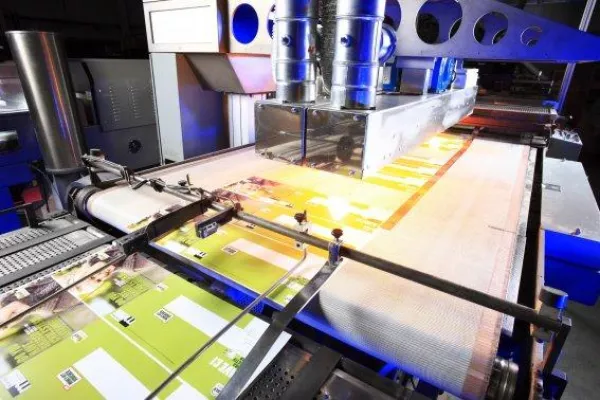
A lot of people think UV lamps are just for the very end of the line. But in reality? We’re seeing them everywhere. From the first time a fabric is treated to the final touches on a finished shirt. Whether you’re locking in dyes, curing a screen print, or adding a water-repellent coating, it all comes down to a simple bit of physics. High-intensity UV light hits a liquid, triggers a reaction, and turns it into a solid polymer. And it happens in seconds.Fast.
Matching the Lamp to the Job
Here’s the thing: not every stage of production is the same. When you’re doing early-stage fabric sizing, you need a wide, even spread of light. You want that uniformity across the whole web, and you want it fast so you can keep the line moving without bottlenecks. But once you get to garment finishing, things get tricky. You aren’t dealing with a flat sheet anymore; you’ve got 3D shapes—sleeves, collars, and all those awkward seams. This is where the details matter. If your lamp is too long for the chamber, you’ll get hotspots. Too short? You’ll find uncured patches that just won’t dry. We spend a lot of time calibrating the wattage to match your conveyor speed. Just a heads-up: don’t be tempted to just crank the power to speed up the line. Your fabric has a breaking point. Too much IR radiation and you’ll scorch those synthetic fibers right there on the belt.
The Nitty-Gritty of the Hardware
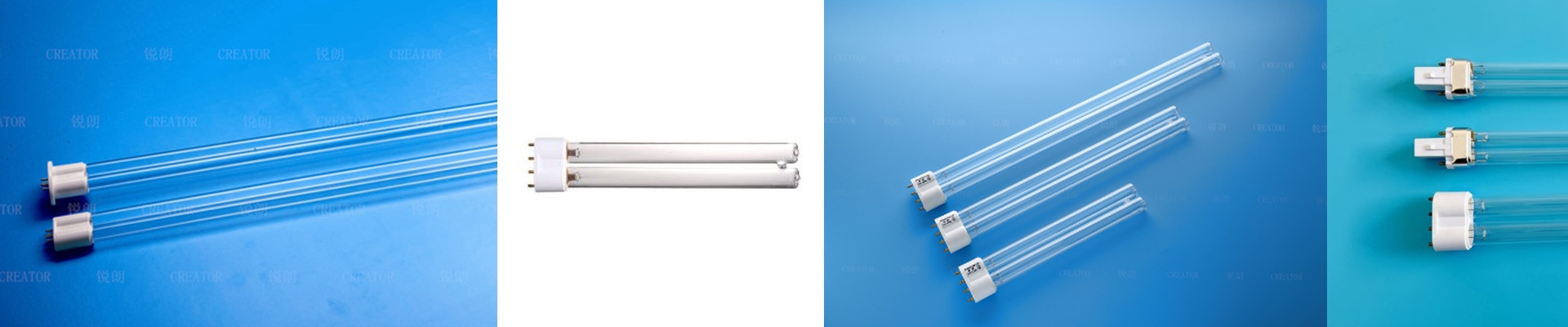
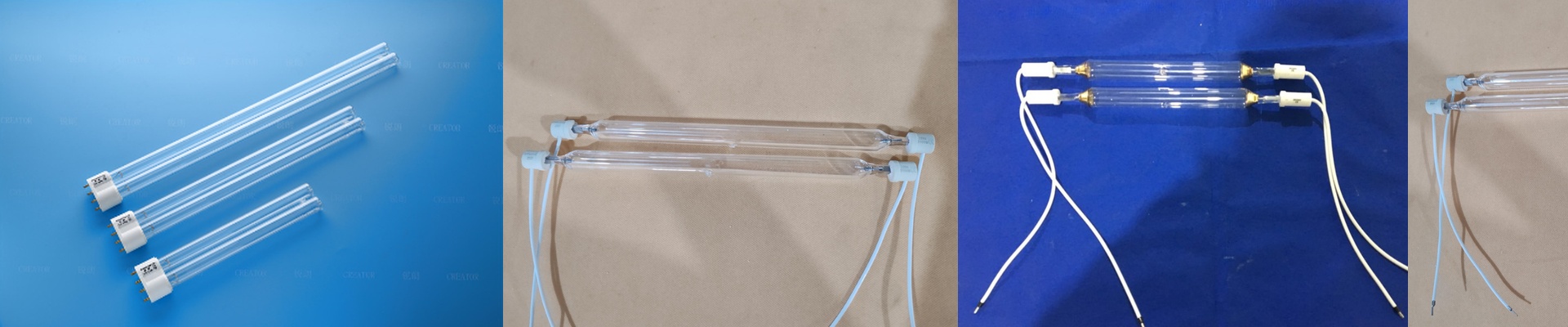
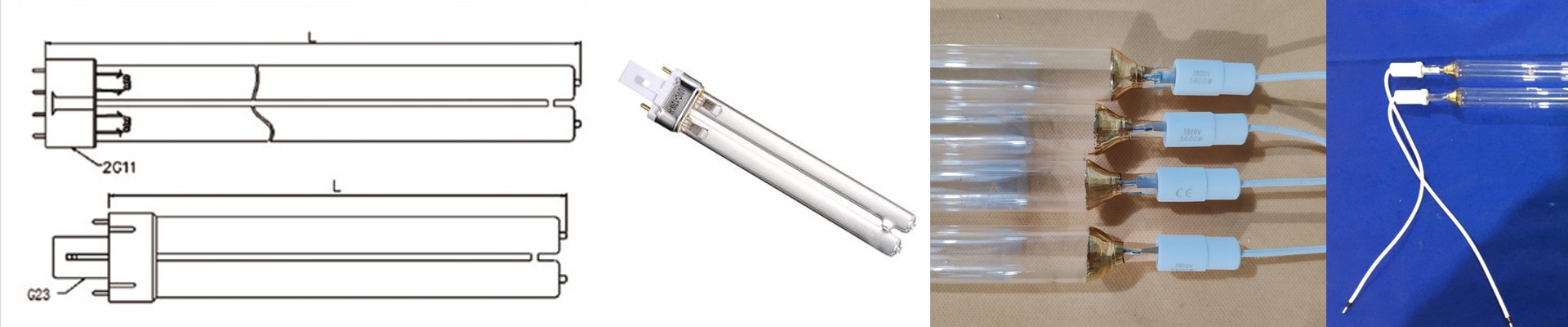
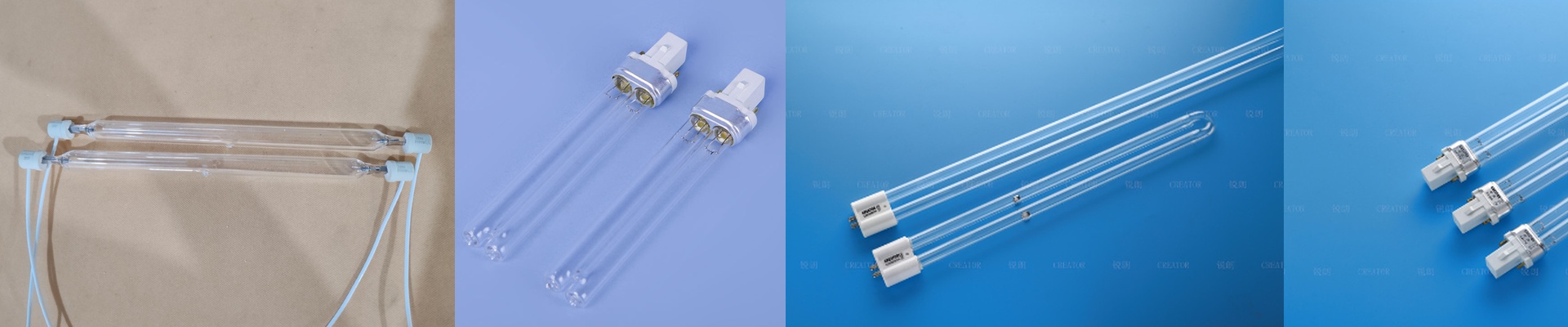
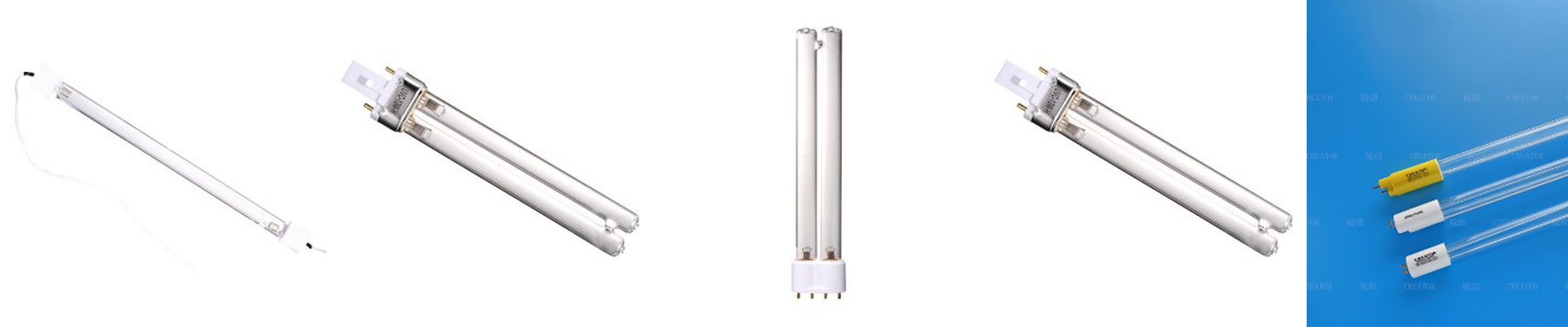
We build these systems using quartz glass because it lets the UV light through without fighting it. Depending on the gas and the electrodes we use, we can tweak the wavelength. For most of the inks you’ll use in textiles, a medium-pressure mercury lamp is the way to go. Usually, these are just drop-in replacements for the housings you already have. But we obsess over the connectors. Why? Because high voltage doesn’t play nice with loose fits. A shaky connection will arc and burn out your socket in a week. And please, check your cooling blowers. UV lamps gethot. Like, really hot. If you don’t have enough airflow to move that heat away, the thermal stress will crack the quartz envelope. And that’s a mess nobody wants to clean up.