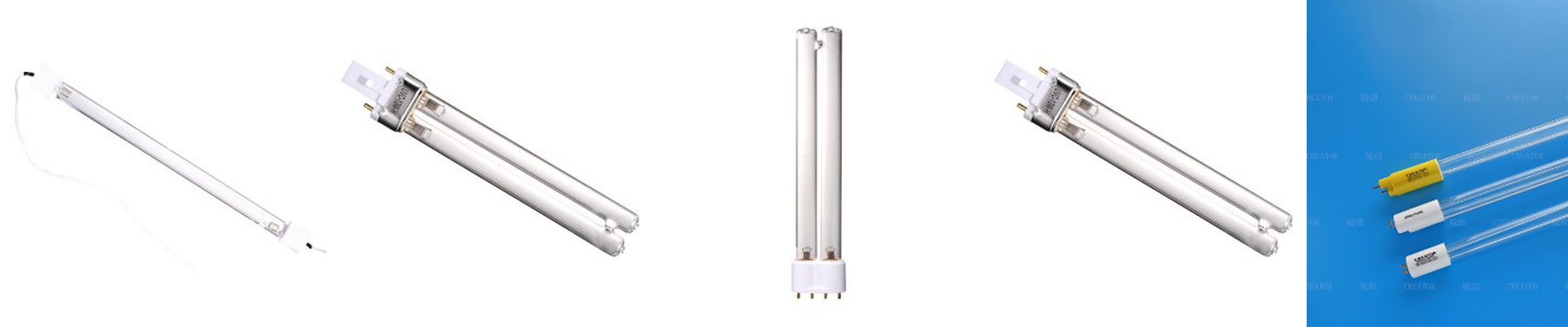
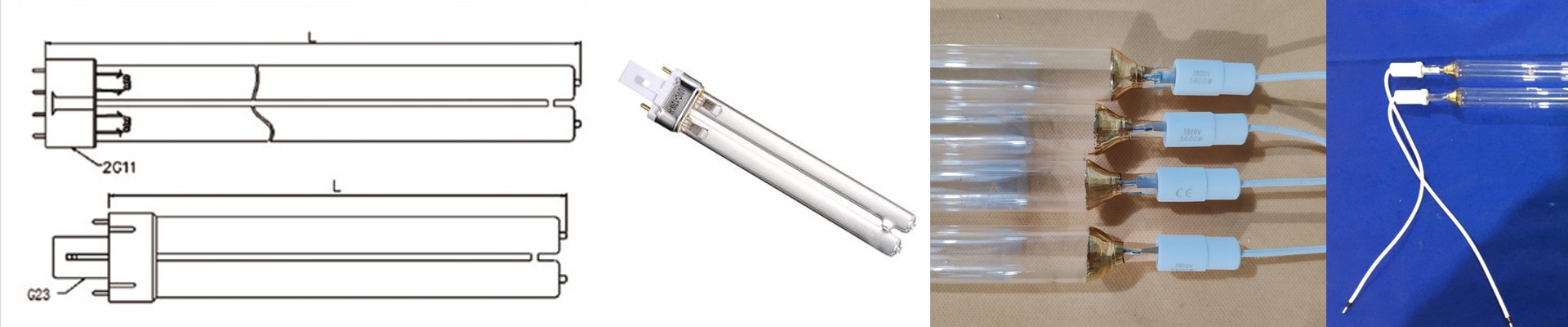
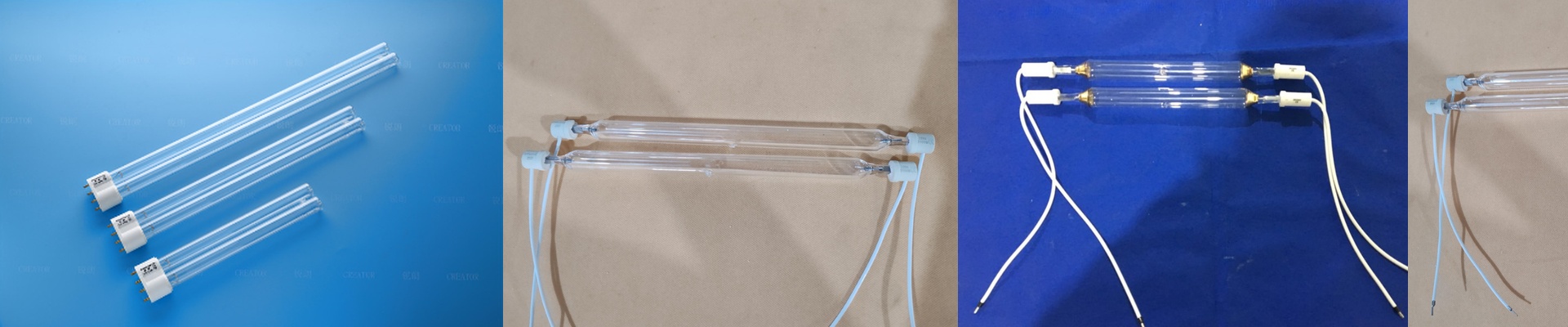
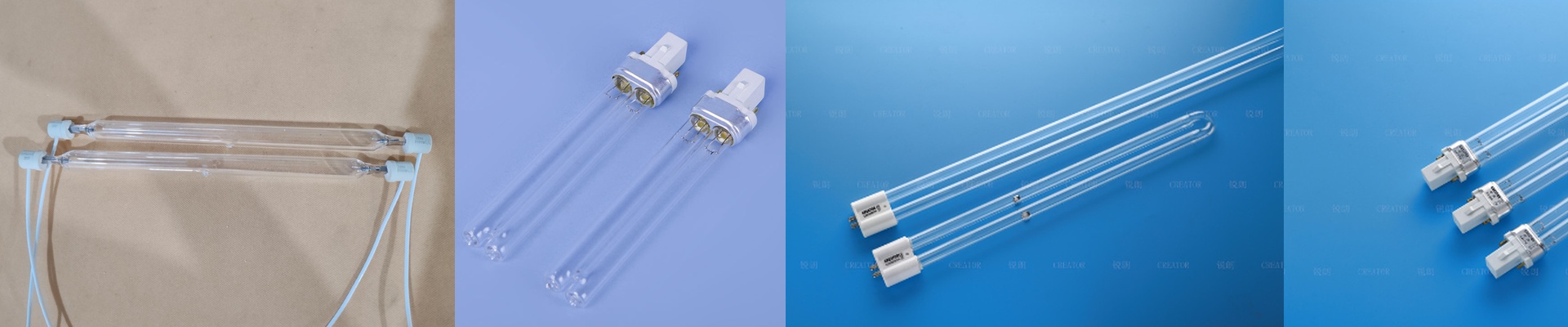
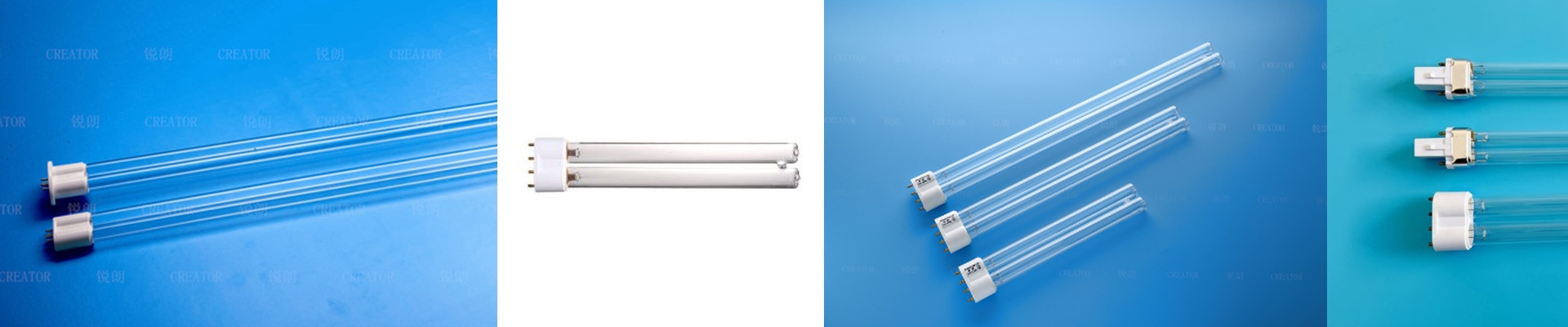
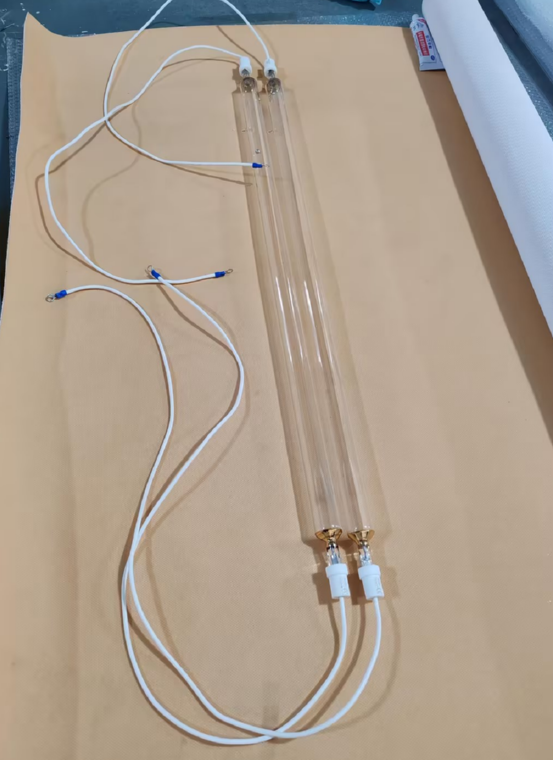
In a wide-format shop, downtime isn’t on the schedule—it’s what happens between jobs. When a UV lamp starts slipping, you usually find out the hard way: ink that won’t cure, adhesion that falls off, or heat-sensitive media warping after one too many passes. That’s why a UV lamp consumption ledger isn’t paperwork. It’s the difference between reacting and staying ahead.
What matters under the hood
Wide-format UV curing is photochemical, not a heat bake. The lamp has to deliver repeatable spectral output so the photoinitiators in UV inks cross-link the same way, job after job. We build mercury vapor lamps for stable peak irradiance and consistent spectral behavior, with output that doesn’t fall off too hard across the arc life. The reflector assembly and dichroic coating shape the energy into a clean spectral profile and a uniform intensity distribution across the full cure width. That’s why you track performance in mJ/cm² and irradiance—not just “lamp hours.”
Why this works on the floor
A disciplined ledger turns lamp management from emergency replacement into planning you can actually trust. Log start time, energy on, lamp-hour counters, and the measured cure energy for each job profile. When the curve shows output drifting below what your ink chemistry needs, you schedule the swap before the defects show up. Consistent output also keeps dot gain and color in line, and longer service intervals mean fewer spares tied up and fewer interruptions.
The details that keep the data honest
Predictive maintenance only works if your measurements stay repeatable. Use the same radiometer, the same position, and the same media path every time—otherwise the numbers will lie to you. Wide-format systems run the lamp close to the substrate, so heat load climbs and ozone needs to be managed. Make sure the lamp compartment airflow, reflector geometry, and power interface line up with the lamp spec. If they don’t, you’ll end up chasing instability that’s really just an installation mismatch.