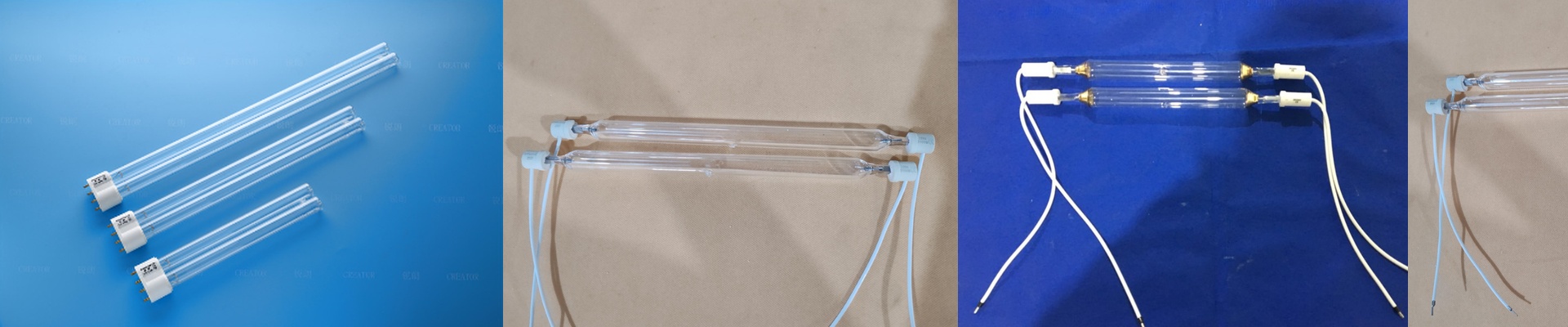
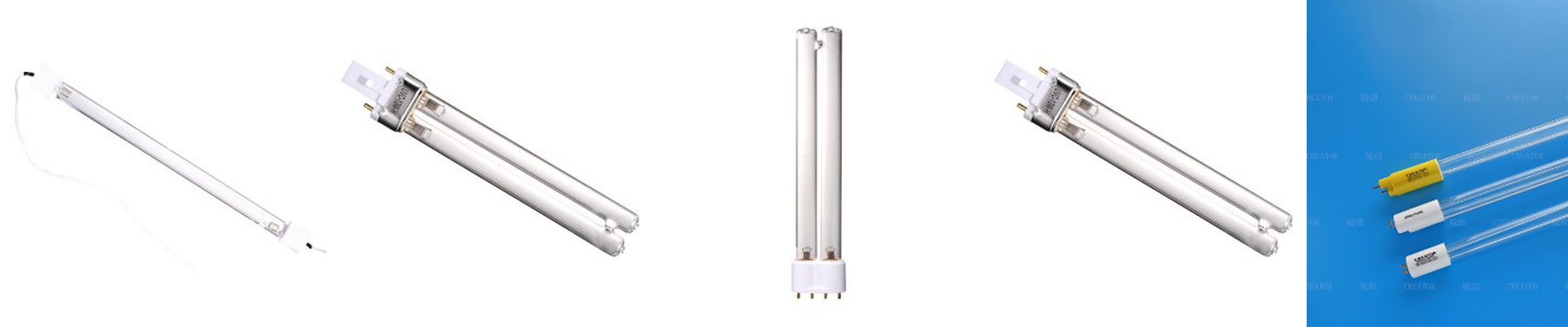
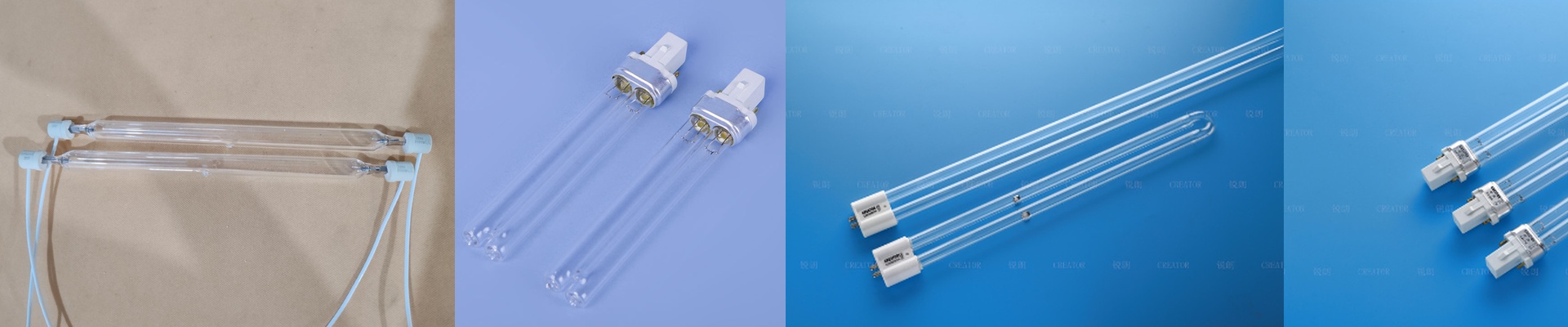
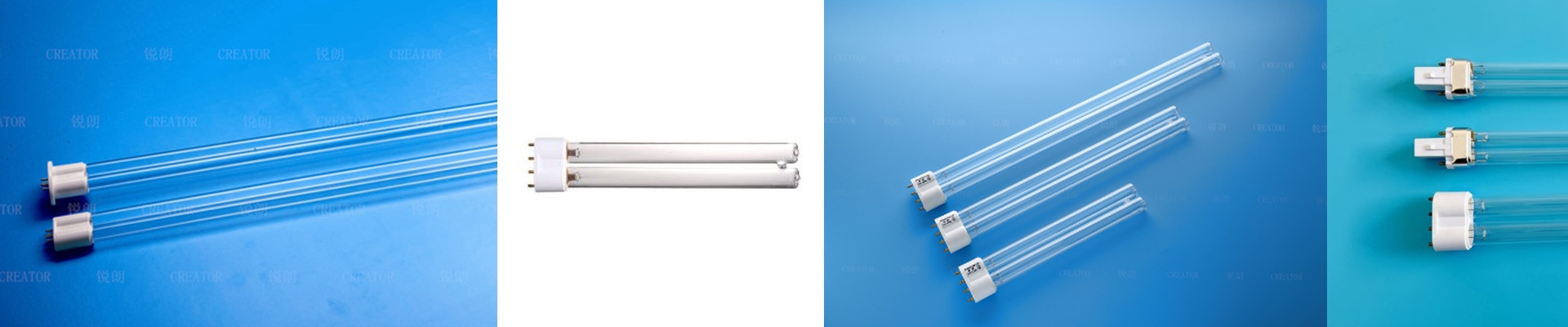
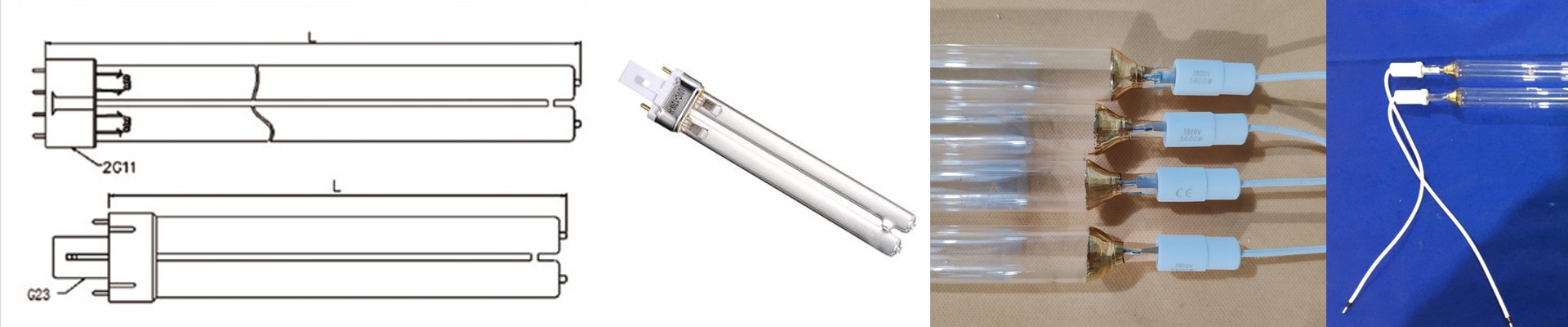
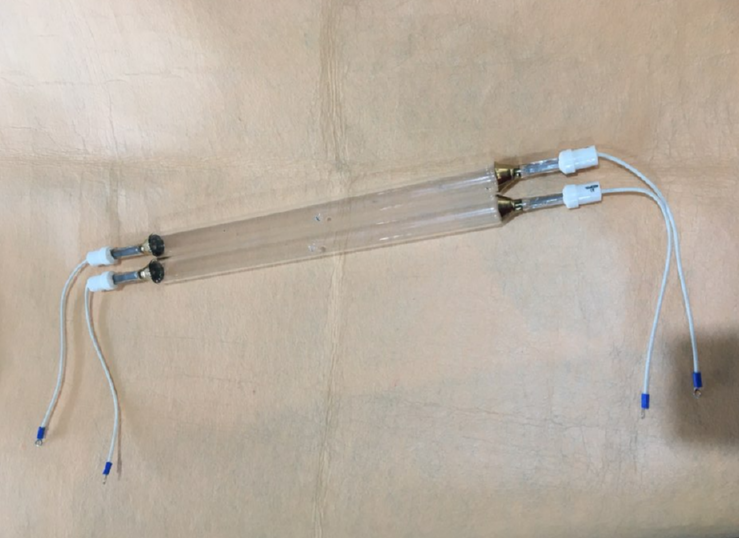
On the press floor, counterfeiters keep getting sharper—so your security printing has to keep pace. Standard UV setups often choke when you run special anti-counterfeiting inks, because their broad spectral output doesn’t line up with the narrow absorption bands those photoinitiators need. You end up with a cure that never quite finishes: weak adhesion, fluorescence that drifts, and inconsistent results. That’s exactly the opening counterfeiters look for. What matters, technically We built a high-spectral-purity UV lamp with a tight, narrow 365nm peak—high peak irradiance and tight spectral control. That focused emission profile hits the photoinitiators in security inks where they actually absorb, so radical generation is fast and the polymer network locks in immediately. You get instant, through-cure with real penetration, even through dense pigment layers, and full cross-linking without surface tack. Output stays stable across the life of the lamp, with controlled degradation so dose repeatability stays inside your process window. Why it works in the real world With anti-counterfeiting work, cure isn’t the finish line—consistent, verifiable performance is. This lamp pins the spectral energy to the ink’s absorption window, so the mark cures through, bonds clean, and holds steady under verification. Instant curing also clears out off-line drying, shortens cycle time, and reduces set-to-set drift. You see sharper microtext, cleaner latent images, and stronger interlayer adhesion, and you keep that quality while running at press speed. Energy use drops, too, because the energy is concentrated where it needs to be, not wasted on out-of-band wavelengths. The details you can’t skip Matching spectral output to the ink chemistry isn’t optional. Check the ink’s photoinitiator absorption curve and confirm the energy density—mJ/cm²—required for a full cure. The lamp also needs a power supply and reflector geometry that are truly compatible, so peak irradiance stays uniform across the print width. Expect a warm-up before output stabilizes, and plan replacements based on actual arc hours so output drift doesn’t creep in and mess with verification consistency.