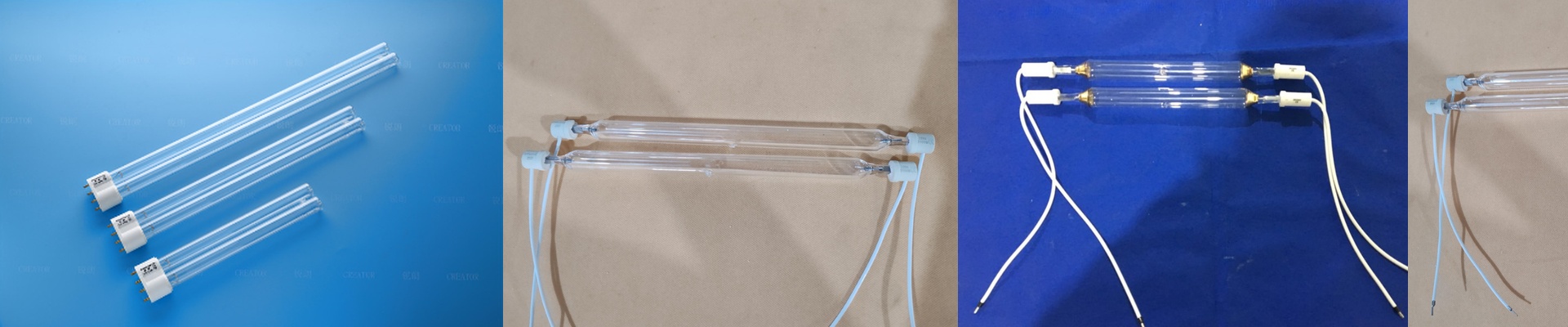
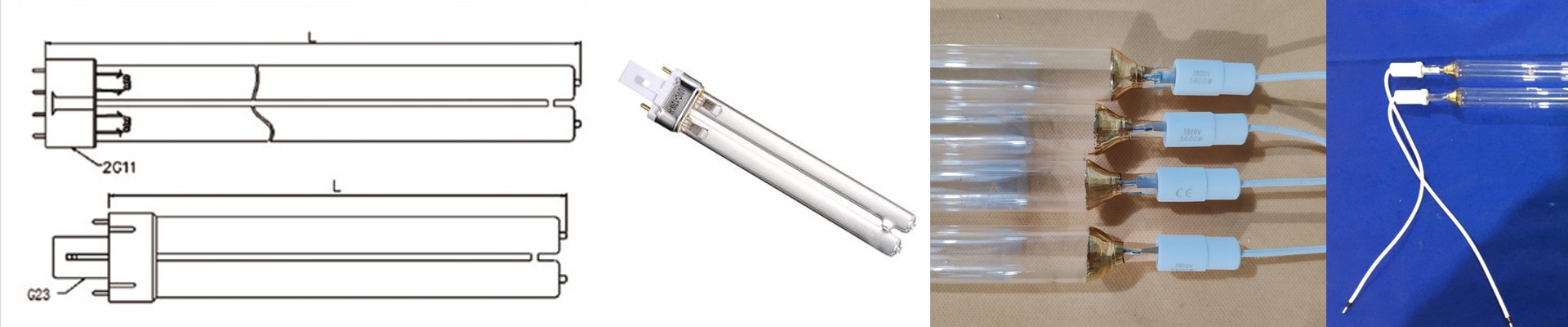
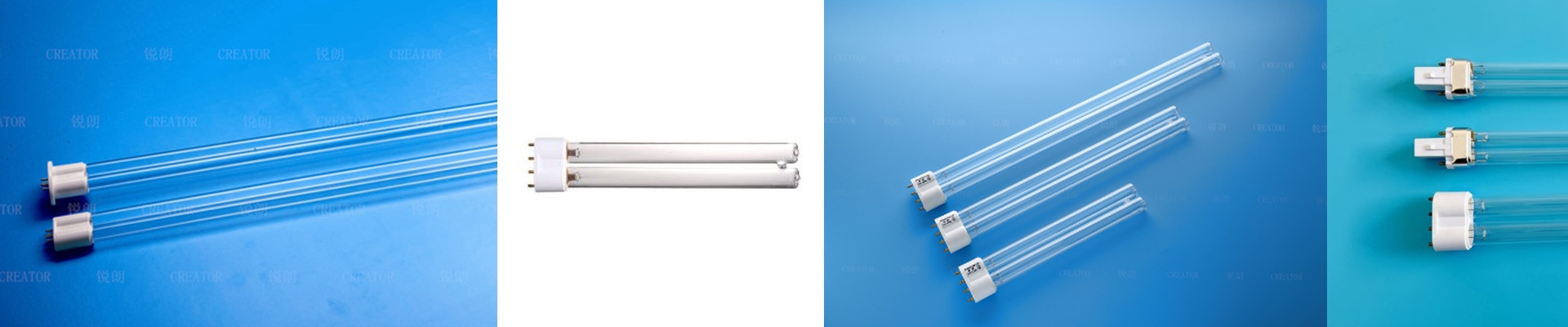
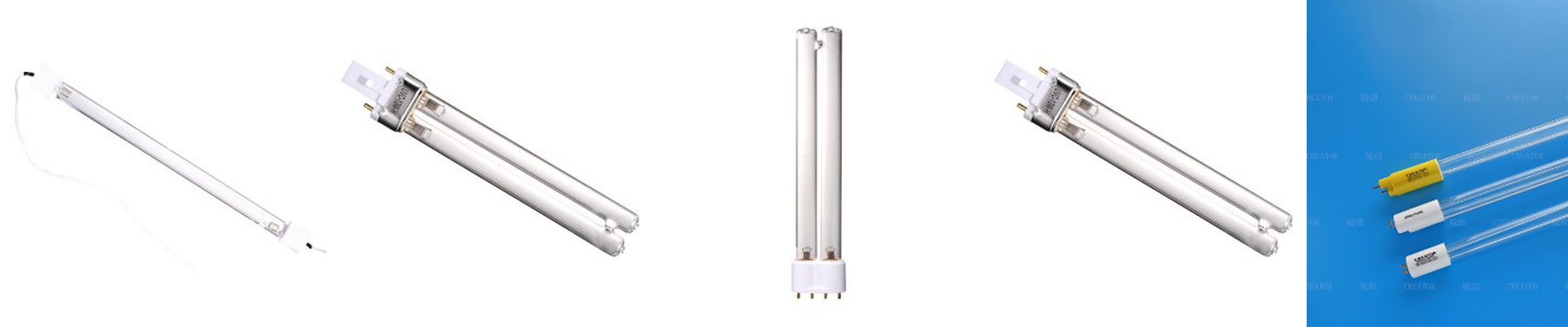
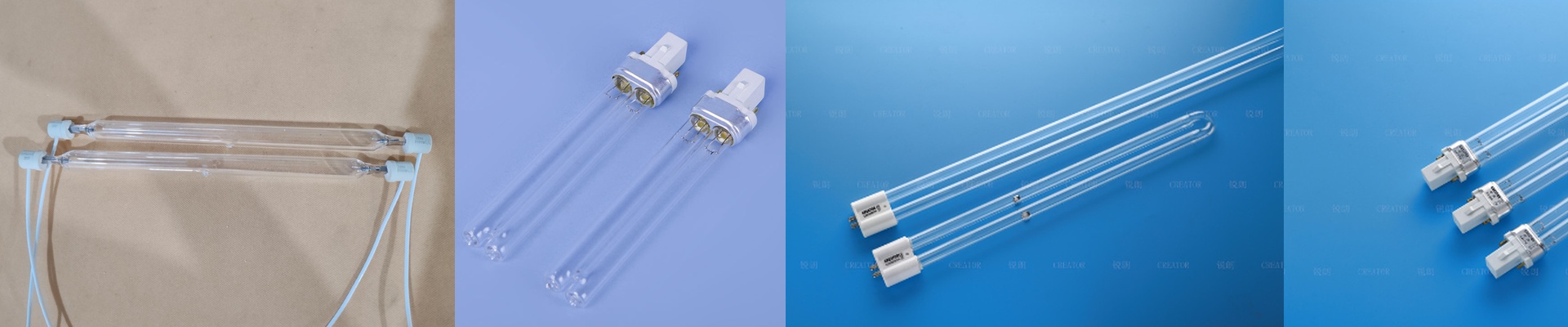
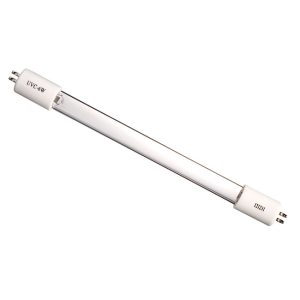
On an export-ready, fully automated press line, downtime isn’t theoretical—it’s lost sheets and blown shipment windows. UV curing sets the pace, and lamp intensity is the knob you have to control, not cross your fingers on. That’s why CE-certified UV lamps are spec’d in as original equipment on machines shipped worldwide.
What matters, technically
UV intensity isn’t a vibe. It’s peak irradiance (mW/cm²) measured at the substrate plane, plus integrated energy density (mJ/cm²) delivered during the exposure window. Our CE-certified mercury vapor lamps hold a stable spectral output aligned to the photoinitiator absorption peaks used in offset, flexo, and screen inks—typically 365 nm, with 385 nm and 405 nm available when the formulation is tuned more toward surface cure versus through-cure. A dichroic-coated reflector focuses the output and cuts wasted IR, so you get more effective dose at the web or sheet without chasing temperature rise. Intensity stays repeatable from start-up through end-of-life, holding output for thousands of hours when the power supply and reflector geometry are right.
Why it fits the job
Export machines have to clear compliance, keep running, and deliver consistent print quality shift after shift. CE certification means the lamp system meets harmonized safety and EMC requirements for European markets, which simplifies machine-level validation and helps avoid approval delays. Because it’s supplied as a full-set OEM component, the lamp, reflector, and igniter are matched to the press geometry. That gives you an intensity map that covers the curing zone cleanly—no hot spots, no weak edges. The payoff is faster changeovers, fewer off-spec sheets, and less solvent load from undercured ink. Energy use drops too, because the reflector and spectral control put the photons where the ink needs them, not into heating rollers.
What you need to keep straight
Match the lamp to the ink chemistry and the press speed. Offset coatings often need a strong 365 nm dose for rapid cross-linking. Flexo needs uniformity across a wider web. Screen builds demand deep cure without surface inhibition. Verify intensity with a calibrated spectral radiometer at the actual working distance, and log baseline values at installation. Reflector efficiency will fall off as dust and solvent film build up—cleaning intervals need to follow the press PM schedule. And while these lamps are built for long duty cycles, they still require stable ballast and properly cooled lamp housings. If you run outside the specified airflow or voltage tolerance, lamp life shortens and intensity drifts.