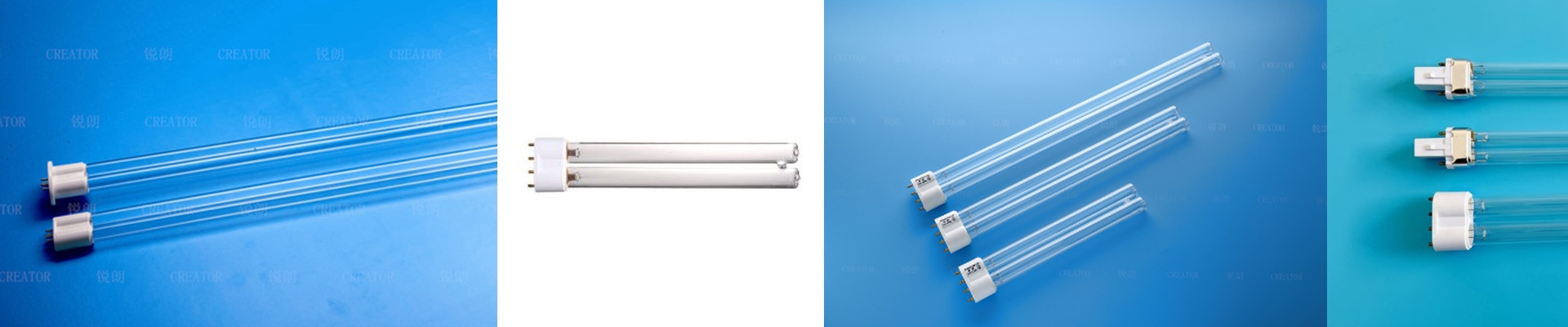
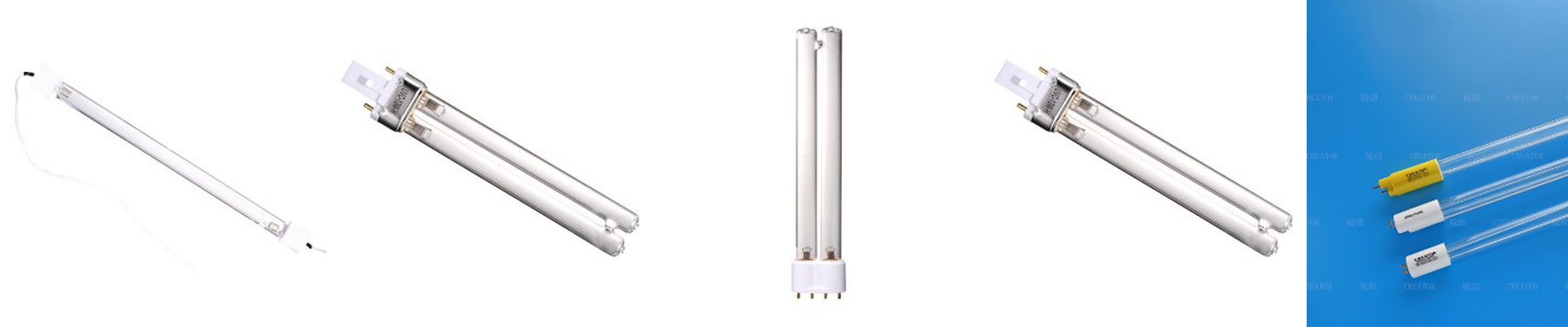
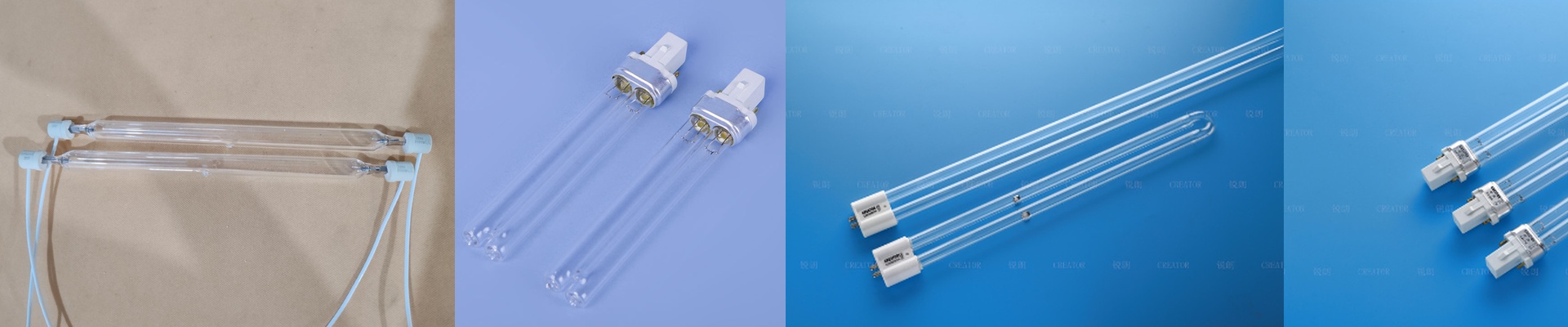
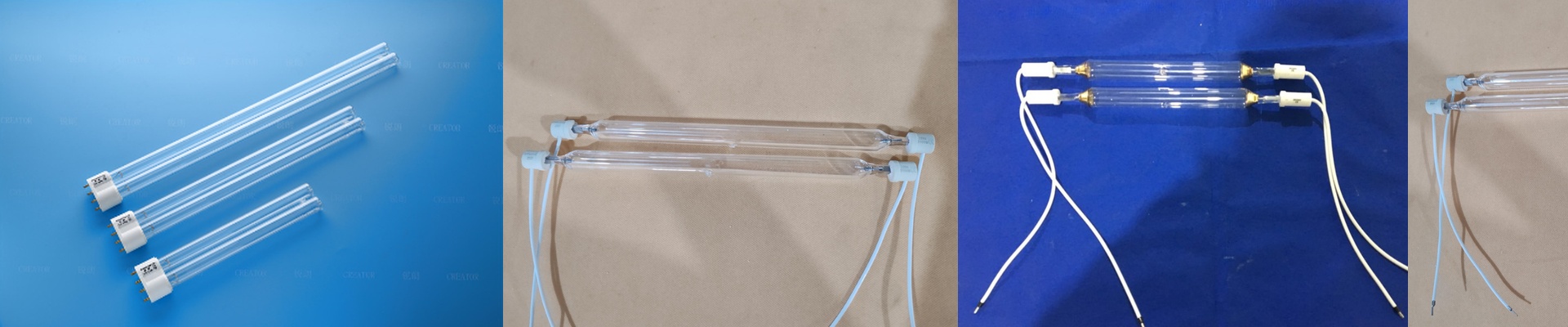
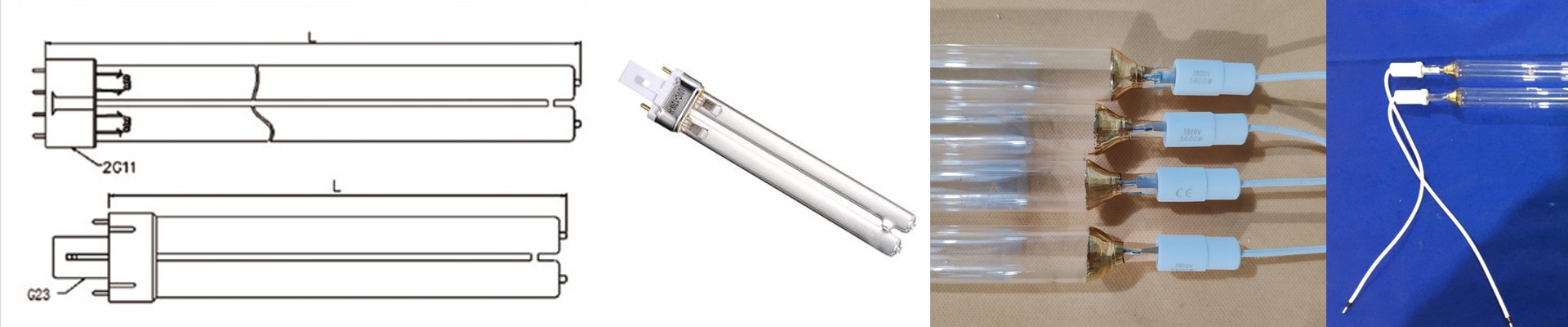
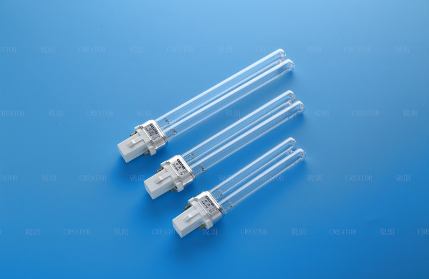
On a high-speed offset press, the bottleneck isn’t the ink—it’s getting enough energy into the sheet, fast enough. When the lamp can’t pull its weight, you end up with incomplete cross-linking, substrate heating, and a pile of rejects. Mercury UV lamps are still the workhorse in offset because their spectral output lines up with the photoinitiator absorption in standard and hybrid UV inks. What matters under the hood We build mercury vapor lamps with stable output centered at 365nm and a broad tail out to 436nm, so surface cure and through-cure stay repeatable. Peak irradiance at the web is engineered above 1200 mW/cm², and total dose stays above 600 mJ/cm² even at press speeds over 15,000 sheets/hour. A high-purity quartz envelope, a dichroic reflector, and an ozone-free design keep the spectral energy where it needs to be—on the ink. Why this plays in offset In offset, you need set-on-touch immediately, without blocking or back-tack. The lamp delivers the photon flux that kicks off rapid radical generation, so the ink film cures before the sheet hits the stack. The payoff is fewer off-spec runs, less powder, and gloss that holds steady across the color bar. Energy draw is predictable, and lamp life typically runs 1,000–1,200 hours before output drops below what your radiometer requires. The details that bite you if you ignore them Match lamp length, arc gap, and terminal style to your curing module. If the reflector geometry is off, you waste irradiance and create hot spots. Give the lamp time to warm up for spectral stability, and keep cooling in place to control substrate temperature—high irradiance and thin stocks are a bad mix. Double-check PLC interlocks and shutter timing to avoid repeated cold starts; they shorten lamp life and shift the spectral curve.