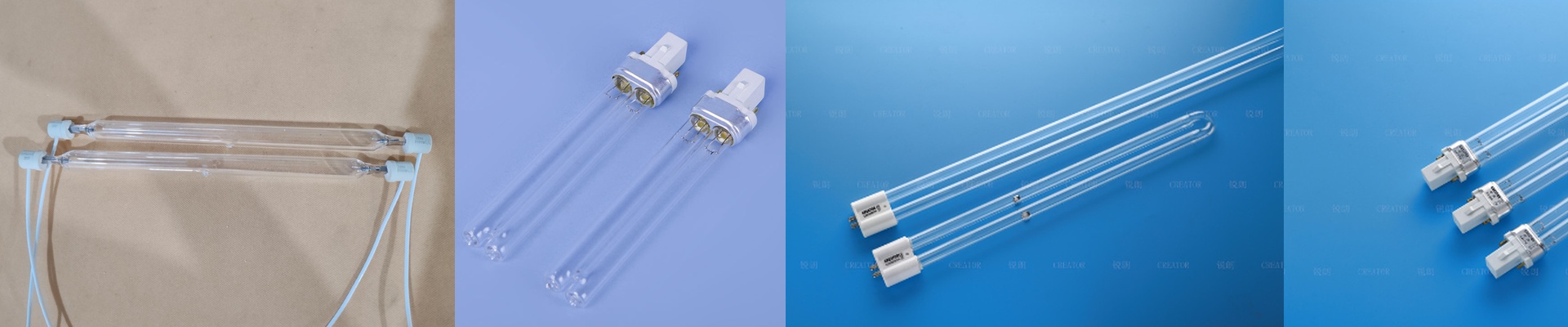
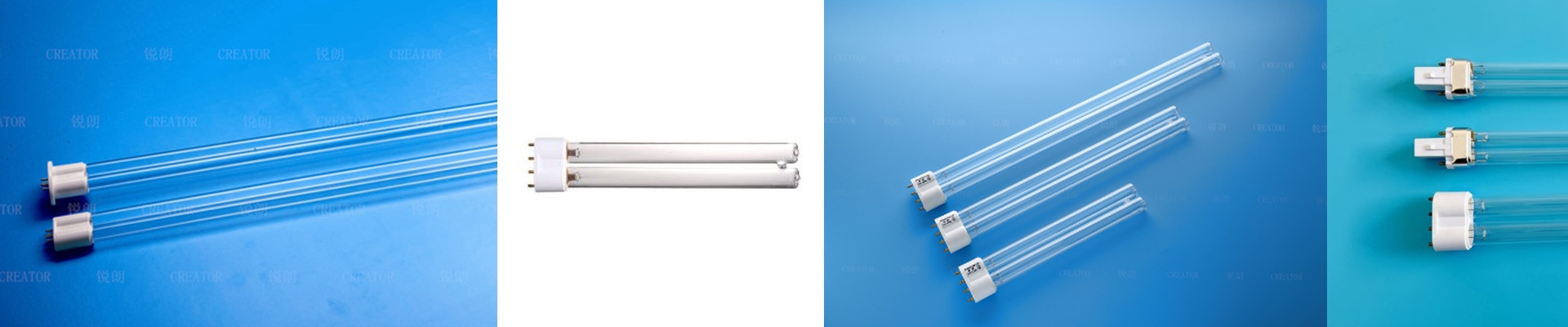
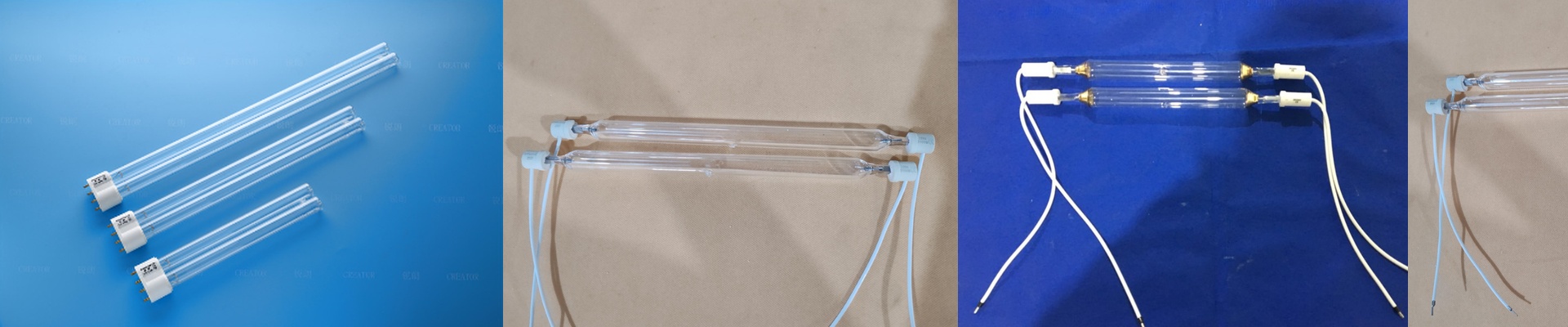
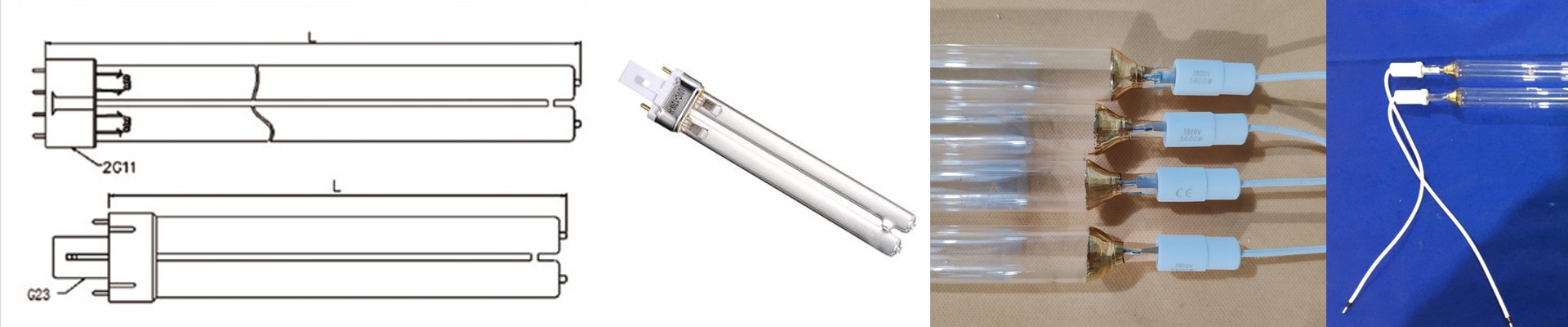
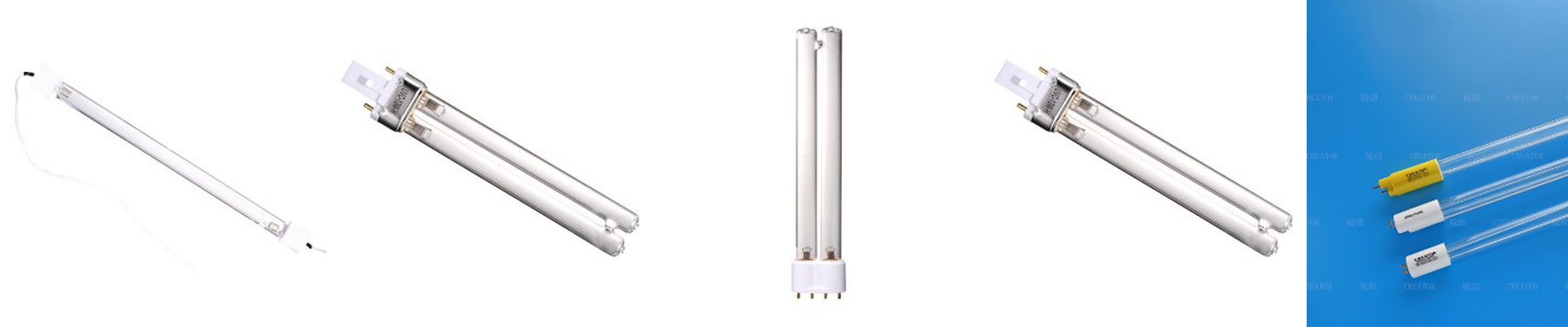
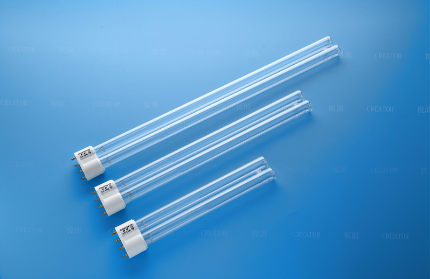
On the floor, downtime and lamp changes don’t just slow you down—they hit your cost-per-piece, hard. When a UV lamp’s output starts to fall off, you’re stuck either backing off press speed to avoid under-cure, or rolling the dice on adhesion and rework. Sylvania UV lamp replacements are built to keep the line running at rated speed, with long life and low spectral decay. What matters, technically We spec these mercury vapor lamps to hold stable spectral output across the UVA band—365nm to 395nm—so they line up with the photoinitiators in UV offset, flexo, and screen inks. Peak irradiance stays consistent for 5,000+ hours, and the output drop is kept under 5% when you measure it with a spectral radiometer. The quartz envelope, dichroic reflector coating, and ozone-free design deliver higher curing energy density (mJ/cm²) at the substrate and steady cross-linking. They’re spec’d for standard voltage and lamp-to-reflector geometry that fits the curing stations you already run. Here’s why it plays out on press. Long life means fewer replacements, fewer stops to change lamps, and fewer labor hours burned. Low decay keeps energy density stable, so you don’t have to chase cure by throttling speed—scrap and rework take a hit. Consistent output helps color hold steady and keeps adhesion locked in, even on tough substrates. The net result is a real reduction in cost-per-piece: fewer spares on the shelf, less energy per unit, and higher overall equipment effectiveness. A few things you can’t gloss over. You have to match arc length, wattage, and reflector alignment—no exceptions. If the reflector is undersized or mis-aligned, peak irradiance gets clipped and you waste curing energy. Confirm connector type, cooling airflow, and shutter cycle count against your press model. Plan replacements around lamp warm-up and shutter life to avoid thermal shock and keep spectral output stable from the first cure to the last.