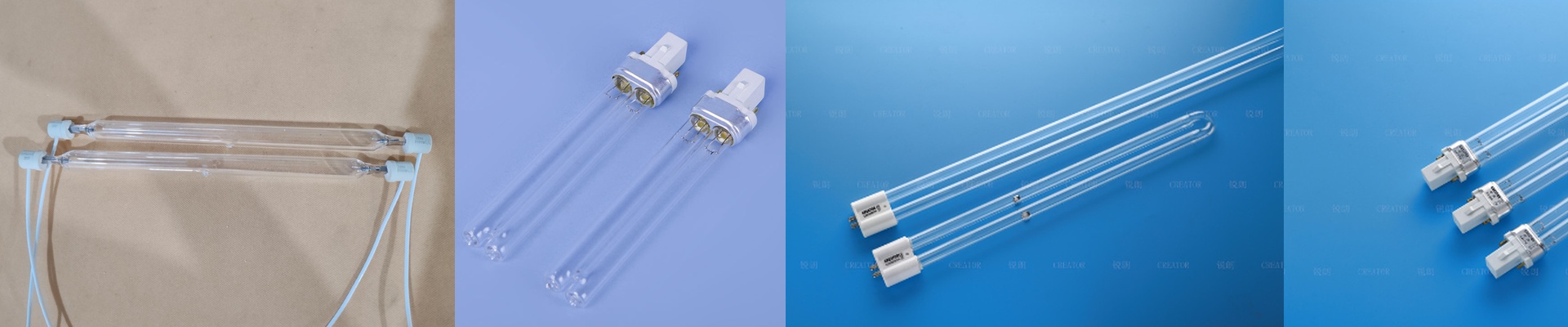
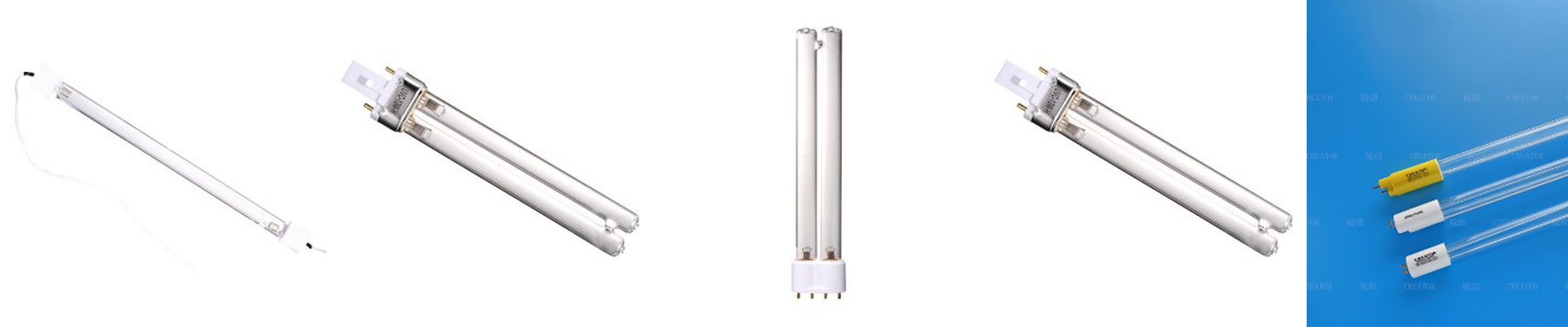
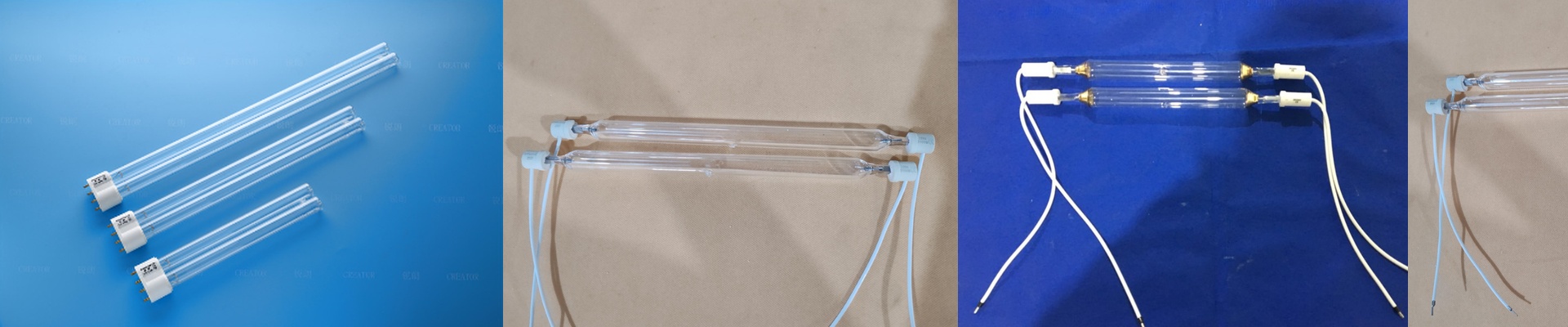
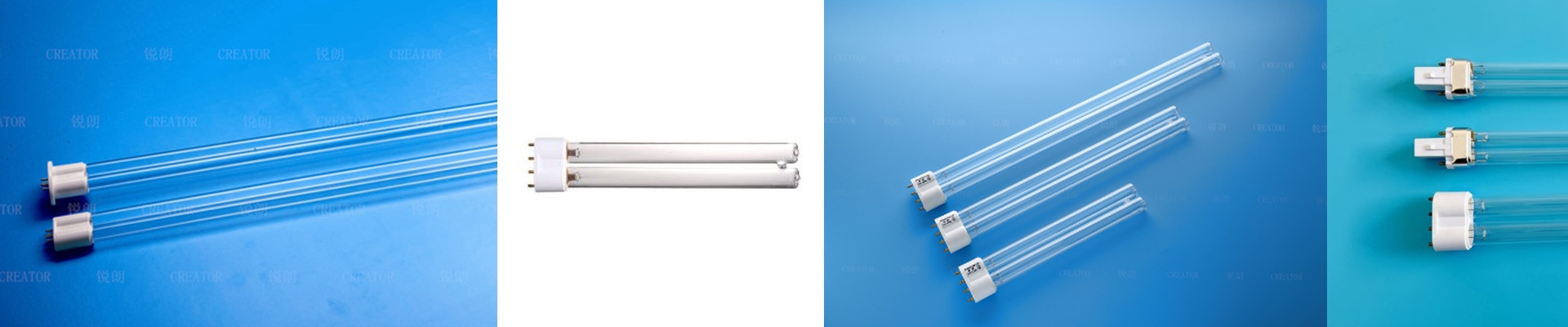
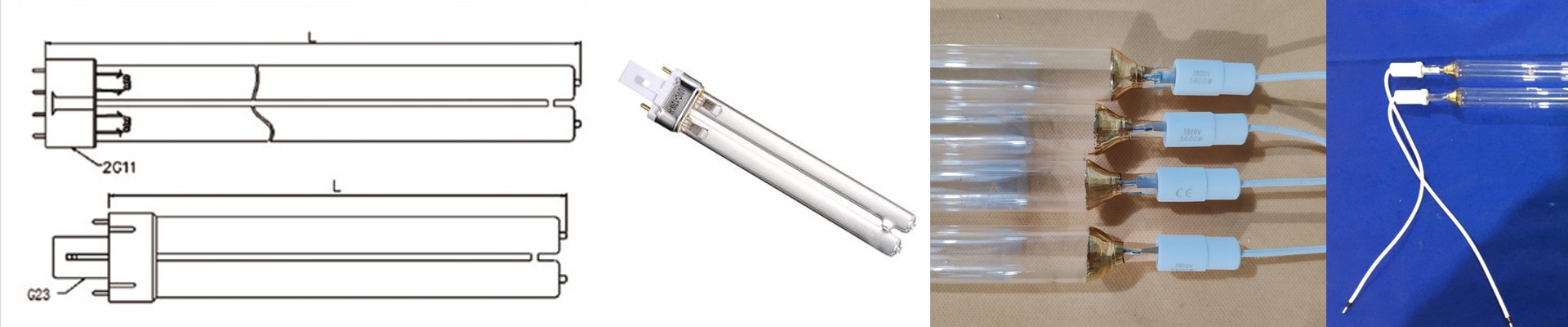
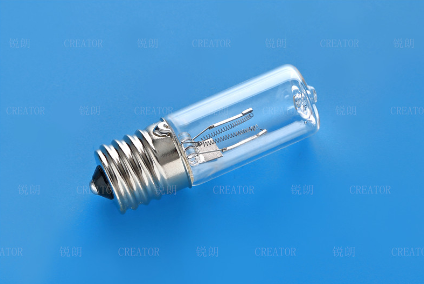
On the press floor, the only thing louder than the machine is downtime. When UV curing misses, you’re left with tacky ink, sheets drifting off-register, and scrap piling up—exactly the outcome our global OEM partners can’t live with. We built our UV lamps around one hard truth: stable electrical input is where stable curing starts. So we offer 110V, 220V, and 380V configurations, matched clean to the supply and the press. Keep the arc consistent, and the line keeps moving. What matters under the hood We run high-pressure mercury vapor lamps with spectral output engineered to hit photoinitiators fast. Peak irradiance stays strong across the UVA band (365–395 nm), delivering the photon density needed to cross-link dense pigments and thick ink films. The reflector uses a dichroic coating to shape spectral energy and cut wasted IR. Ozone-free quartz envelopes keep the workspace cleaner and cut down on maintenance interruptions. Voltage choices aren’t decoration. 110V fits compact and retrofit setups. 220V balances power and cabling for mid-range presses. 380V supports high-current systems where the lamp has to hold high peak irradiance without voltage sag. Why it holds up in real production We keep the manufacturing model simple: OEM-grade build discipline, at a wholesale price. You get repeatable curing energy density, predictable lamp life curves, and fewer field failures—without paying for marketing overhead. On offset, flexo, screen, and other UV lines, that translates to faster throughput, less scrap, and fewer spares tied up in inventory. What to get right before you flip the switch Match the lamp to the ballast and the connector interface. Run a 220V lamp on a 110V circuit, or mismatch the ignition profile, and peak irradiance will flatten—service life takes a hit. Before installation, confirm voltage, arc length, and end-fitting. We supply the datasheets so the swap is clean.