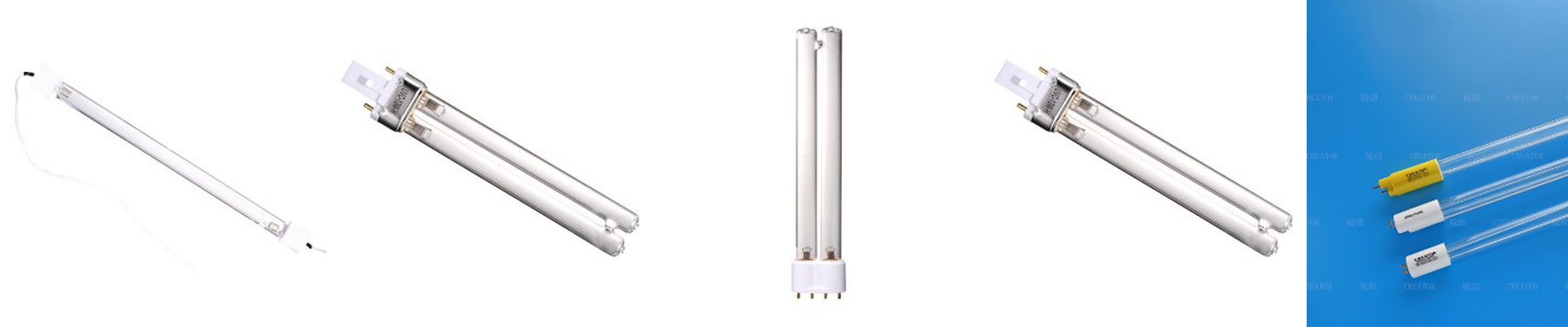
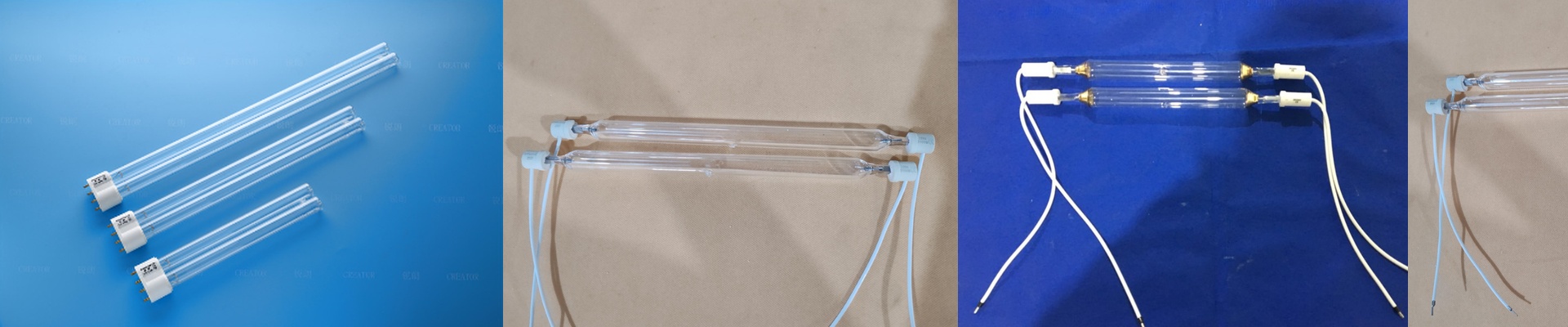
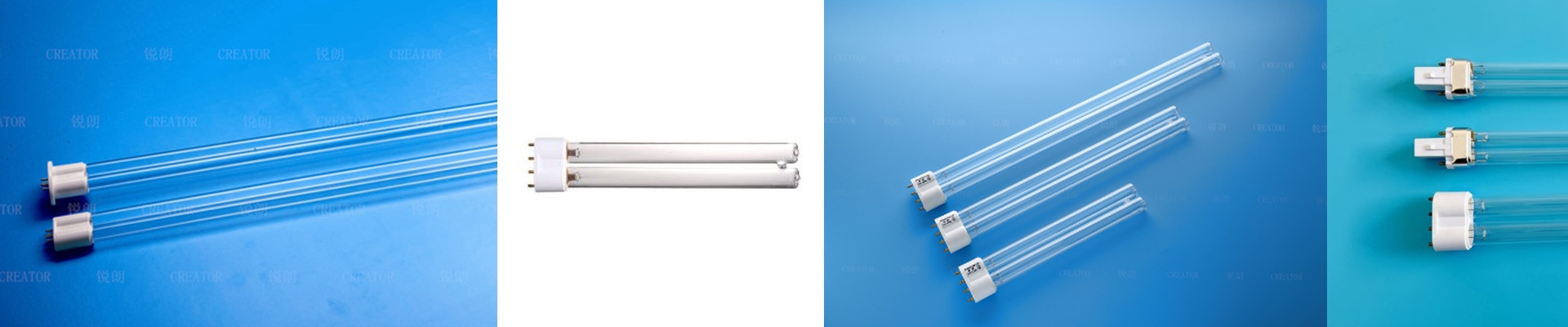
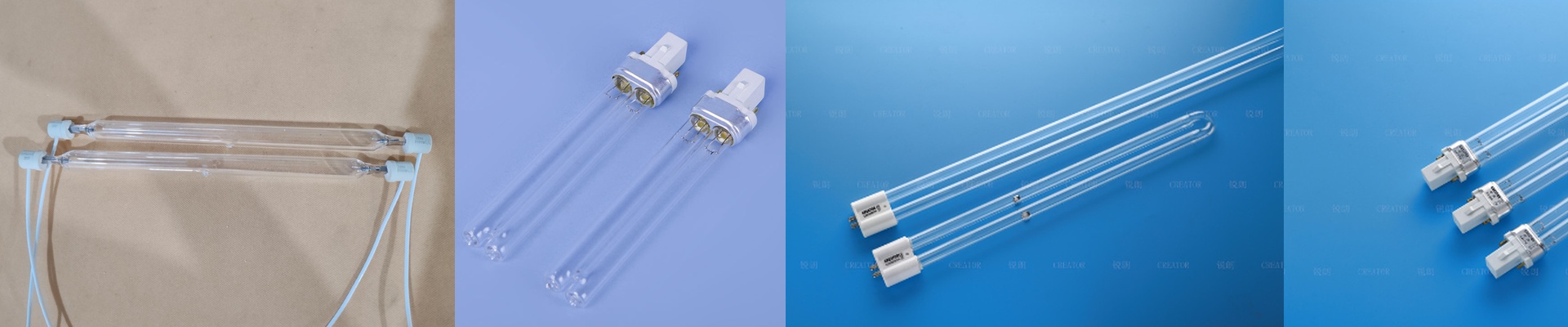
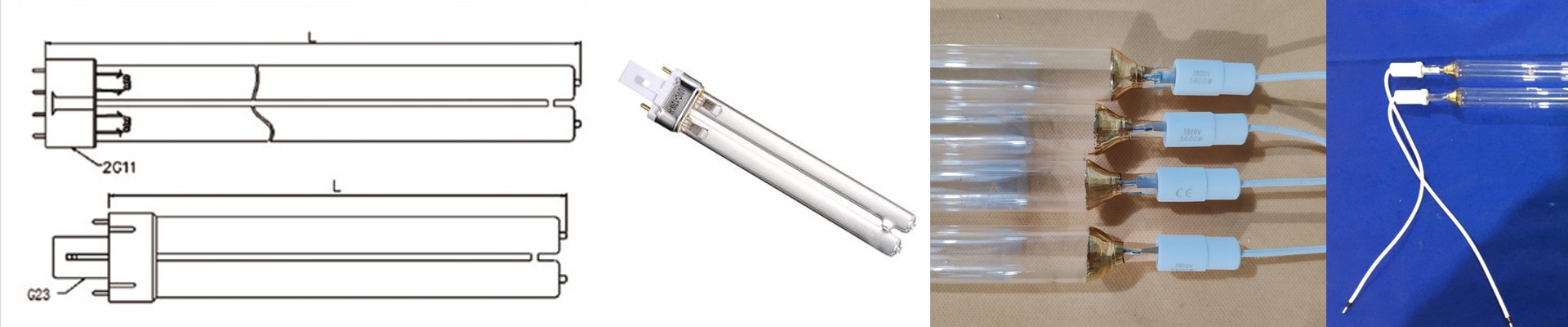
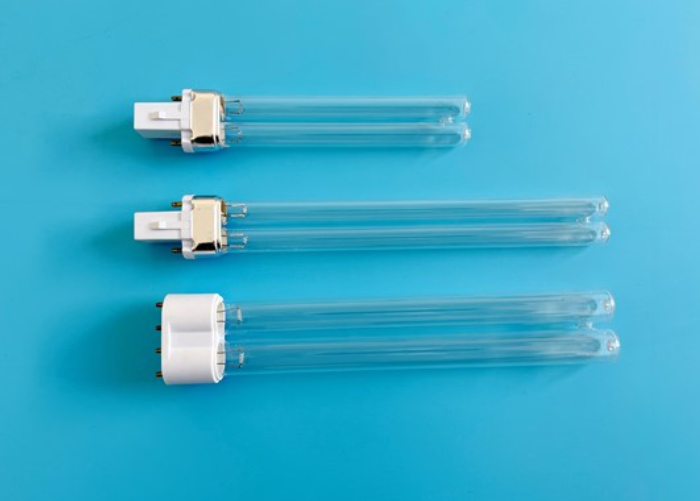
On the flexo floor, downtime kills throughput—especially when you’re swapping lamps or fighting mismatched interfaces. And if the cure profile isn’t held steady—peak irradiance, dose, and wavelength—you’re going to get tack, set-off, and scrapped substrate. We built our UV lamps to fix the two failure points that show up on the daily schedule: connector mismatch and curing energy drift. What actually matters is spectral control and repeatable output. We use high-pressure mercury vapor lamps with stable 365 nm, 385 nm, and 405 nm lines, tuned to the photoinitiator package in flexo inks. Peak irradiance stays consistent across the arc length because the reflector has a dichroic coating and the focal geometry is done right—so the dose at the web doesn’t wander. The quartz envelope gives you high UV transmission and thermal stability. And the ozone-free design keeps the work area safe while easing the load on extraction. Output is specified in mJ/cm² and measured with a spectral radiometer—no guessing. Here’s why it works in practice: interface coverage and fast replacement. Whether your press runs spiral-head or plug-in lamp heads, we match the connector so the lamp drops in without machine modification. That means less changeover, fewer alignment checks, and fewer mismatched reflector-lamp pairs that give you uneven cure. The payoff is stable print density, fewer pinholes on films, and fewer rejects at high speed. We size the energy draw to the arc length, so you avoid oversizing and keep operating cost per sheet predictable. A couple of shop-floor realities: lamp performance depends on airflow and reflector condition. Verify your cooling volume and keep reflectors clean—otherwise, even the right lamp will underperform. Also, confirm the spectral match to your ink chemistry. Flexo often needs a different balance than offset or screen. Measure curing dose at the actual web speed and distance, then set lamp power accordingly. That preserves lamp life and keeps output stable over 5,000+ hours.