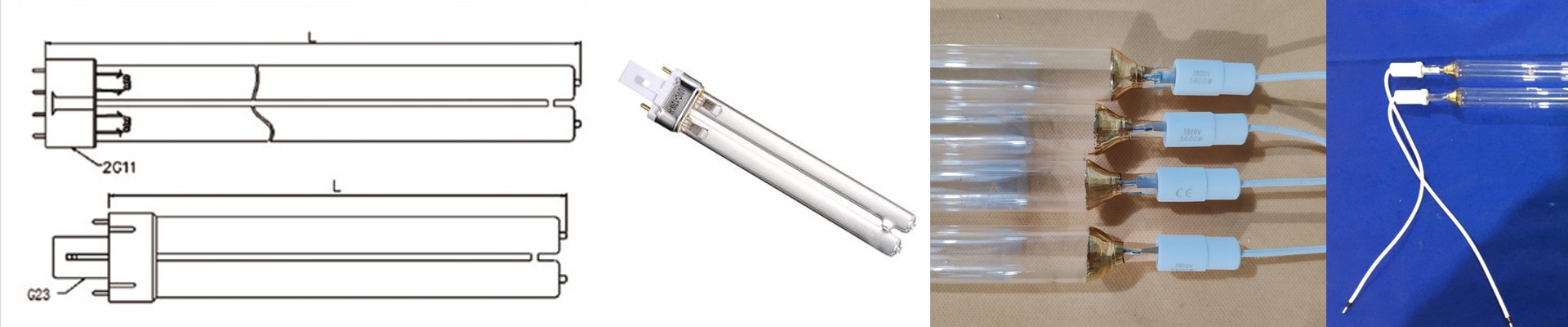
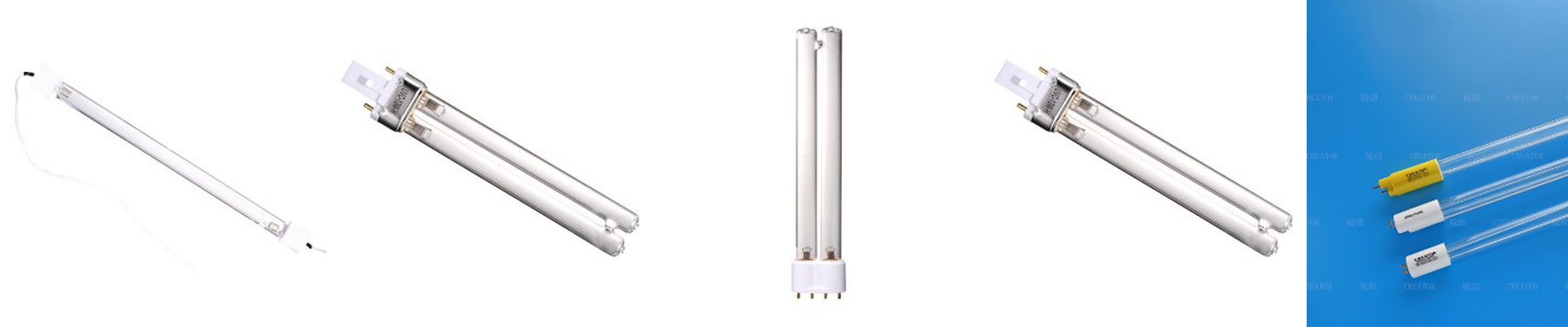
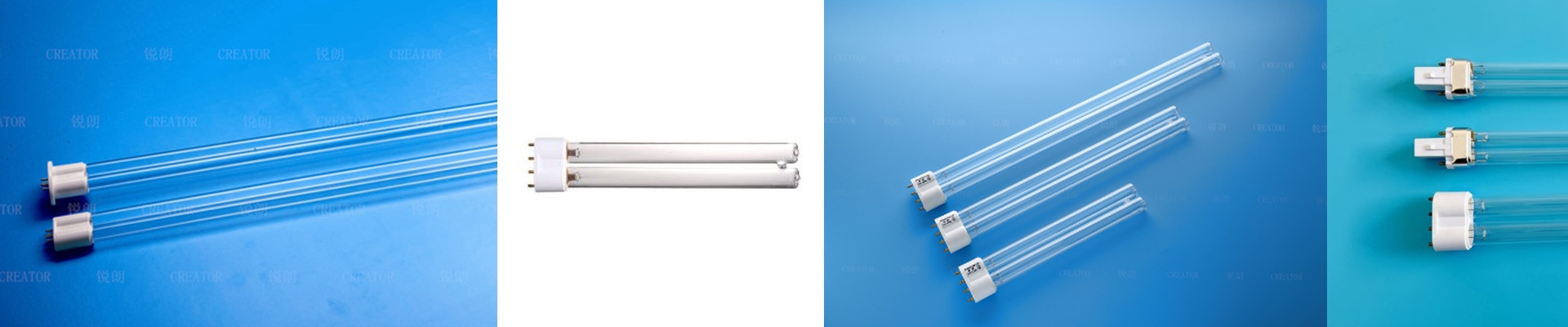
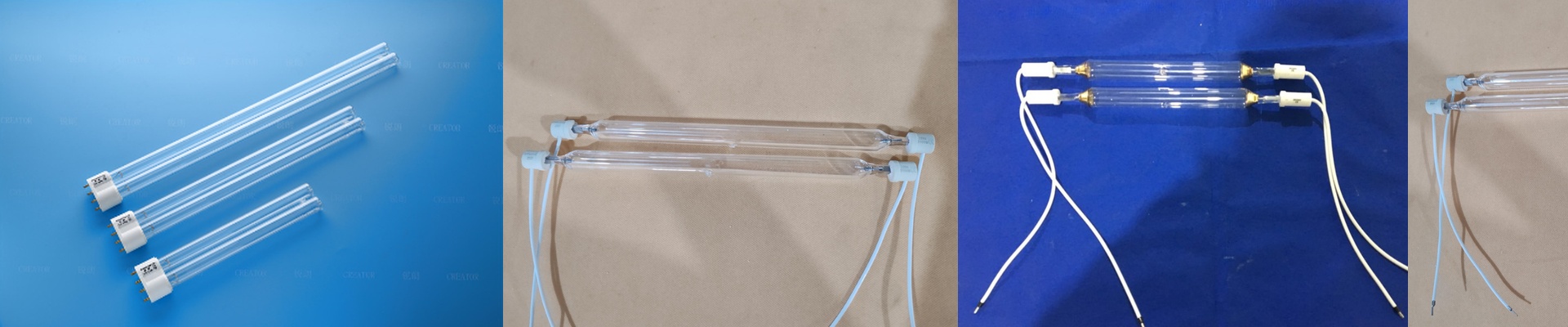
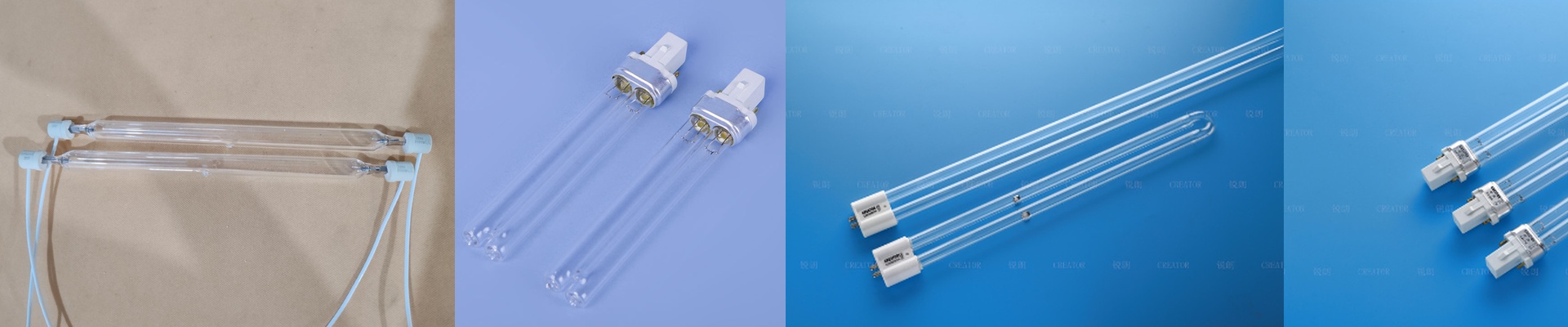
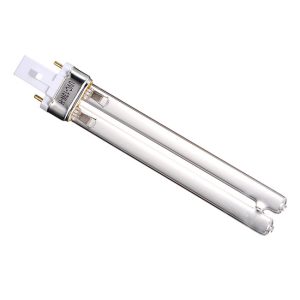
On furniture coating lines, the electricity bill from UV curing is one of those costs you can’t really fudge — it’s fixed, and it’s material. The real ask is straightforward: keep the cure complete, with no tack and no under-crosslinking, while still knocking down power consumption. That’s exactly what the full-energy-saving UV lamps here are built to do. What matters under the hood We’re running high-pressure mercury vapor lamps, tuned for a stable spectral output centered at 365nm — the wavelength that actually gets photoinitiators in furniture coating inks and varnishes moving. The reflectors use dichroic coatings to throw back UV and keep IR heat from becoming waste, so substrate temperature stays under a 10°C rise. Peak irradiance hits 1200 mW/cm², giving you enough energy density (≥500 mJ/cm²) to finish cross-linking in a single pass. And on the install side, they run at 220V with a standard G13 connector, so you can drop them into most existing UV curing modules without rewiring. Why it sticks in real shops In printing shops, the lamp lays down consistent cure on flat parts and profiled furniture pieces, and that kills the need for post-cure drying steps. The energy-saving design cuts power draw by 20% compared to conventional UV lamps, so the electricity cost comes down without slowing cure speed or skimping on quality. On top of that, lamp life lands at 5,000+ hours, with output degradation under 5%. Fewer replacements means less downtime and less maintenance labor to chase. What you need to watch Alignment matters. You’ve got to keep the lamp in the curing module’s focal plane to hold peak irradiance where you need it. And if substrate thickness goes past 25mm, plan on a second pass. UV penetration drops as thickness increases, so you want to make sure the bottom layer cures through. Before you install, double-check compatibility with your printer’s power supply and the curing chamber dimensions.