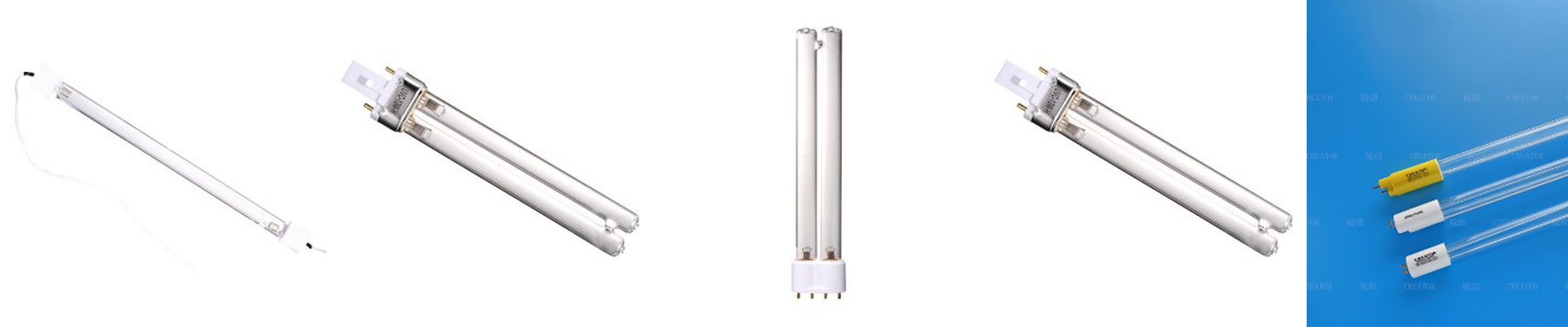
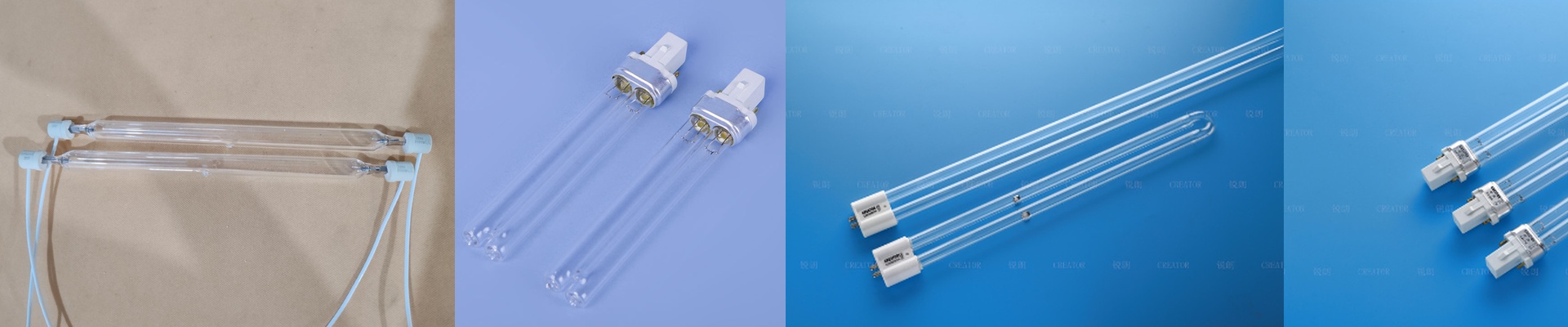
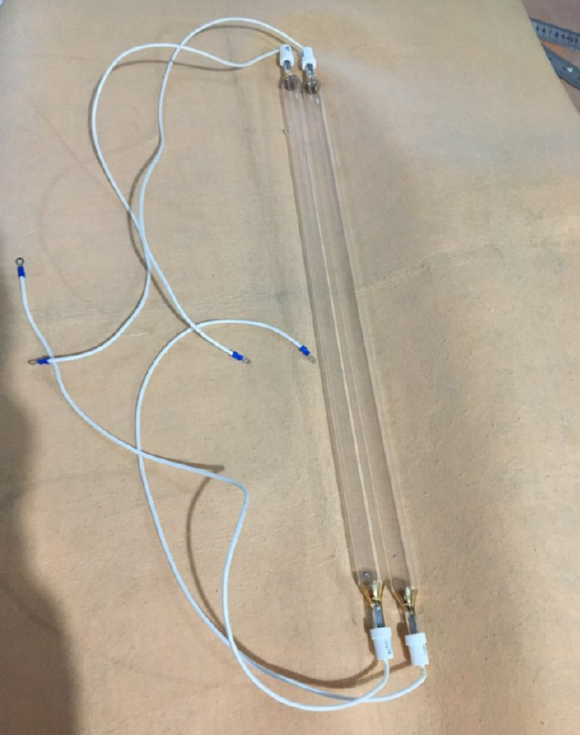
On the press floor, an unplanned lamp failure isn’t just a stop—it kills cross-linking, drops your mJ/cm², and forces you to chase spectral stability all over again. And when supply chains tighten, imported lamps can get hung up in customs, tariffs, or compliance checks. A routine replacement turns into downtime you can’t afford.
What matters, technically
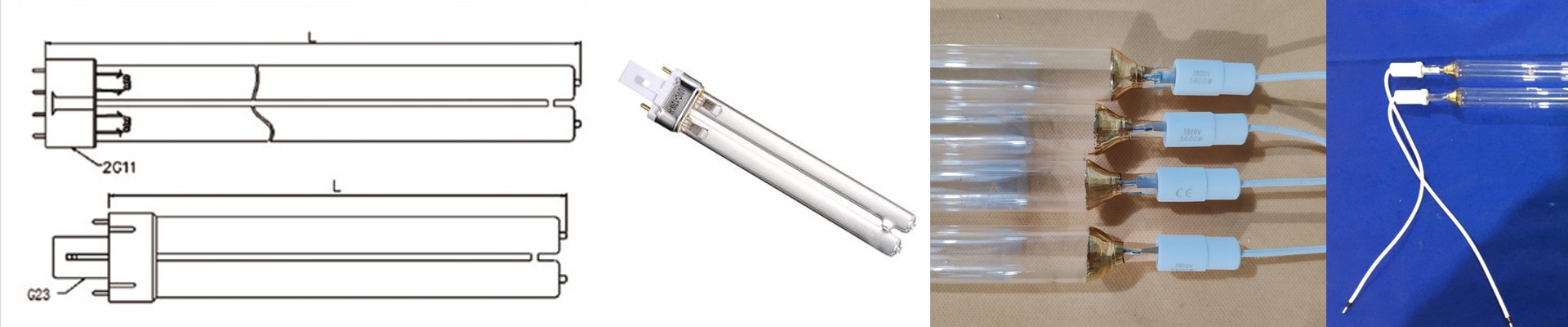
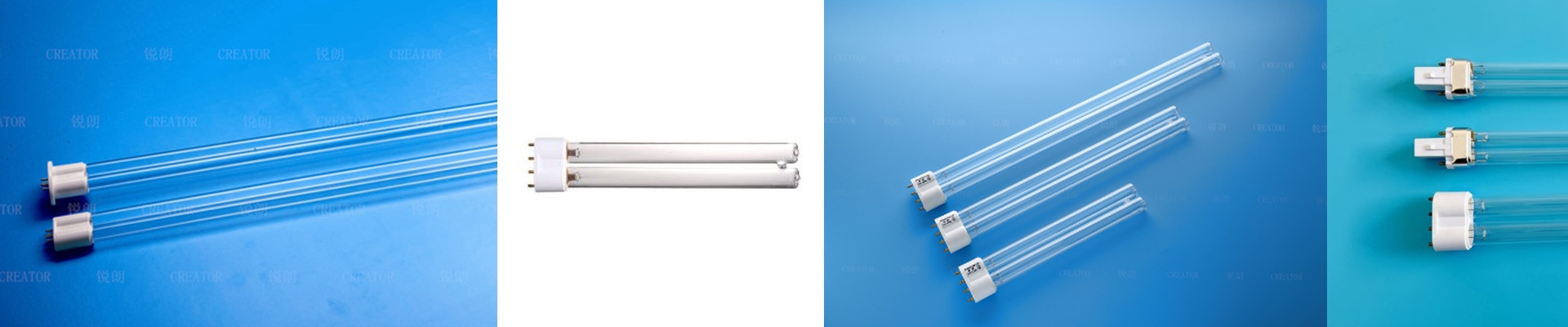
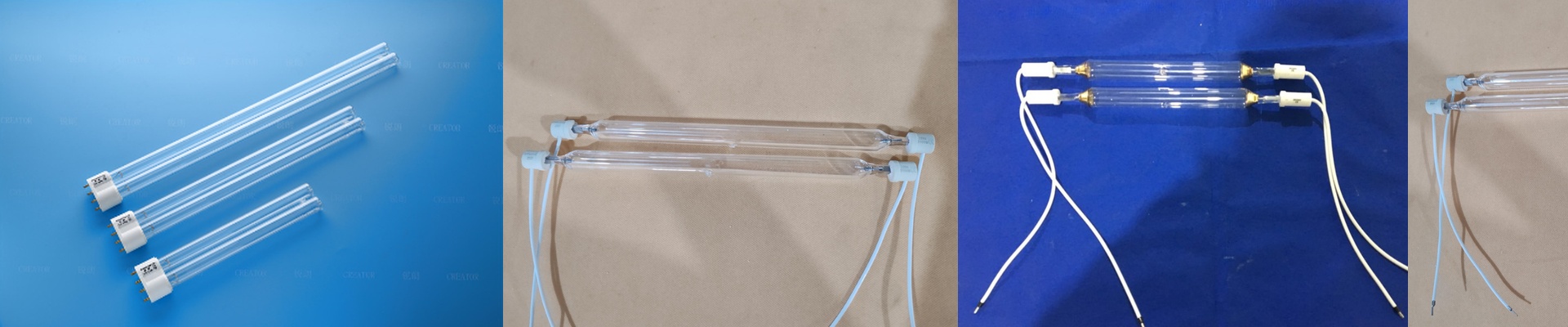
We built the Usio UV lamp replacement around controlled spectral output and repeatable irradiance. Pick the wavelength that matches your ink chemistry: 365 nm for deep through-cure in thick screen inks, 385 nm for a surface-and-subsurface balance in flexo, or 405 nm when your photoinitiators respond to the longer tail. Each lamp uses high-purity quartz, a reflector geometry tuned for dichroic performance, and runs ozone-free. You get stable peak irradiance, consistent spectral power distribution along the arc, and a lamp life curve you can plan around—so maintenance is scheduled, not reactive.
Why it holds up in real production
We hold independent patent protection on the core design and control the manufacturing ourselves. That means less exposure to cross-border disputes, IP headaches, and sudden regulatory blocks that can idle your UV offset, flexo, or screen line. You get a direct-fit lamp engineered to your reflector profile and power density, so the energy density your photoinitiators need stays where it should. The payoff: fewer rejects from under-cure, stable cure at your target speeds, and consumable planning you can trust—without betting throughput on uncertain imports.
The details that keep you out of trouble
Match the base type, arc length, and electrical interface exactly. Mismatched sockets and connectors give you poor contact, arcing, and unstable ignition—no surprises there. Check your reflector before you swap. Pitting and oxidation scatter output and throw off spectral balance. Also expect a slightly longer warm-up to full output on first start compared to a fully aged lamp. Run a baseline with your radiometer, then set the replacement interval that keeps your mJ/cm² inside spec.