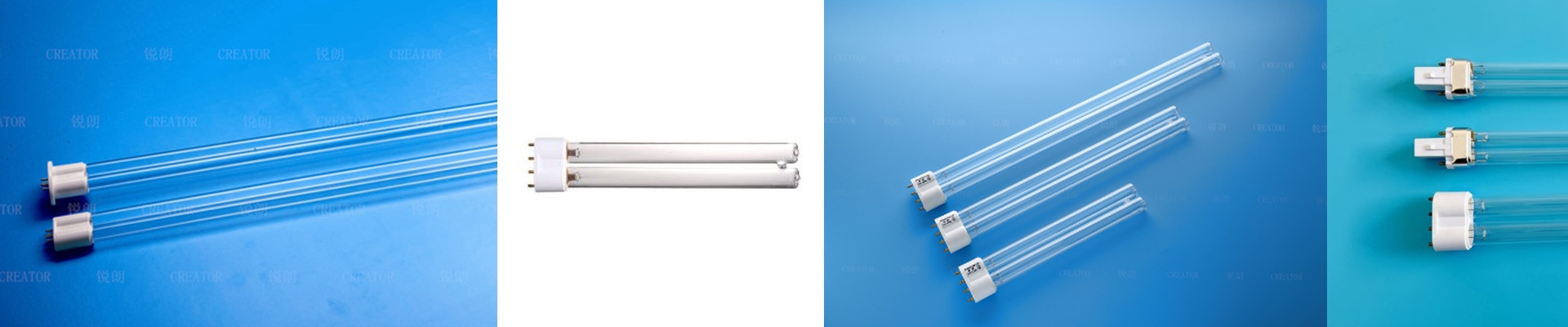
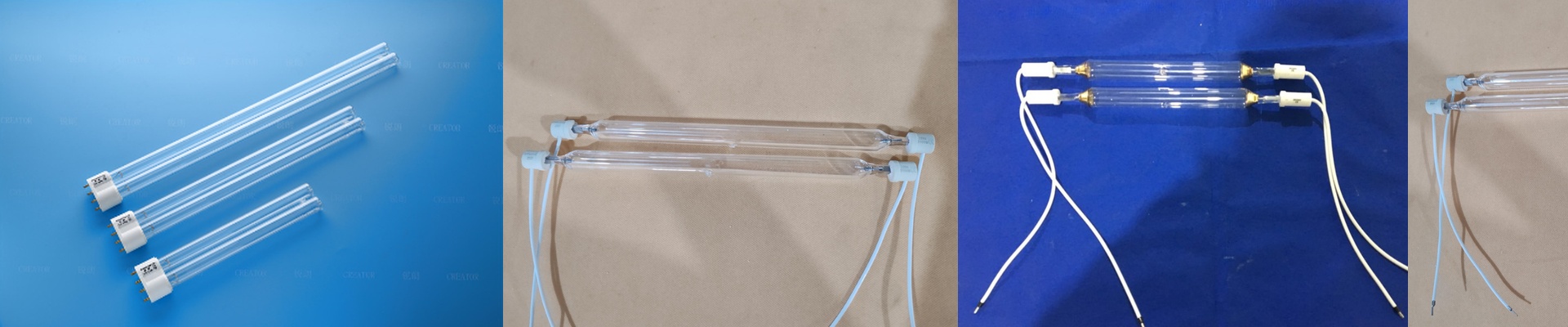
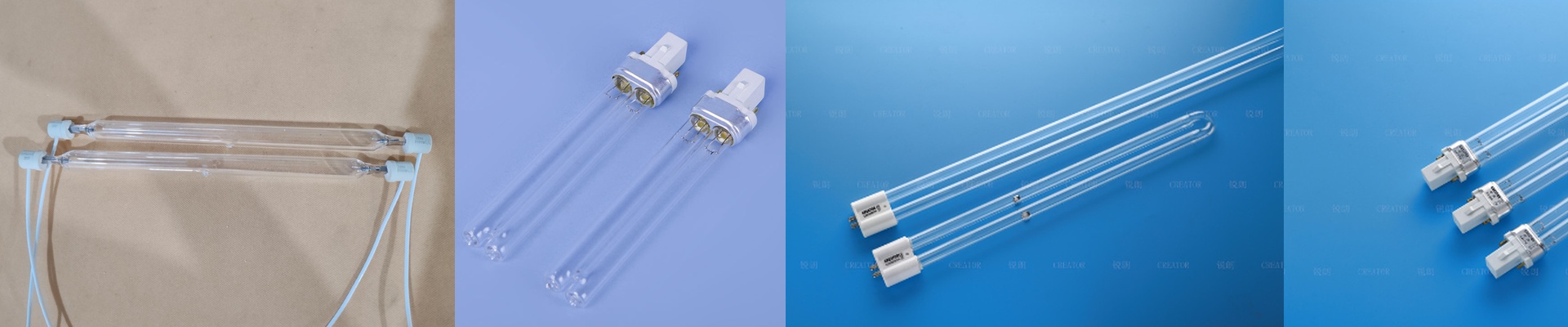
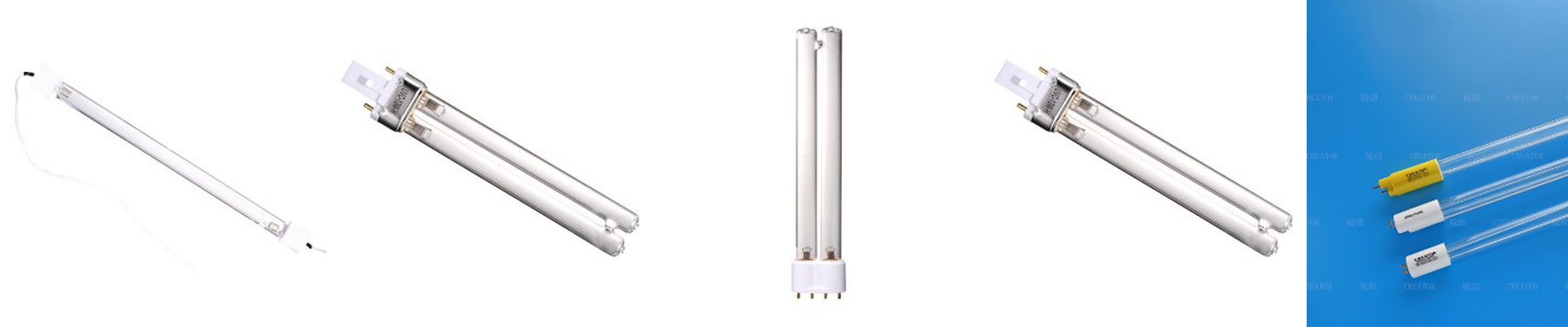
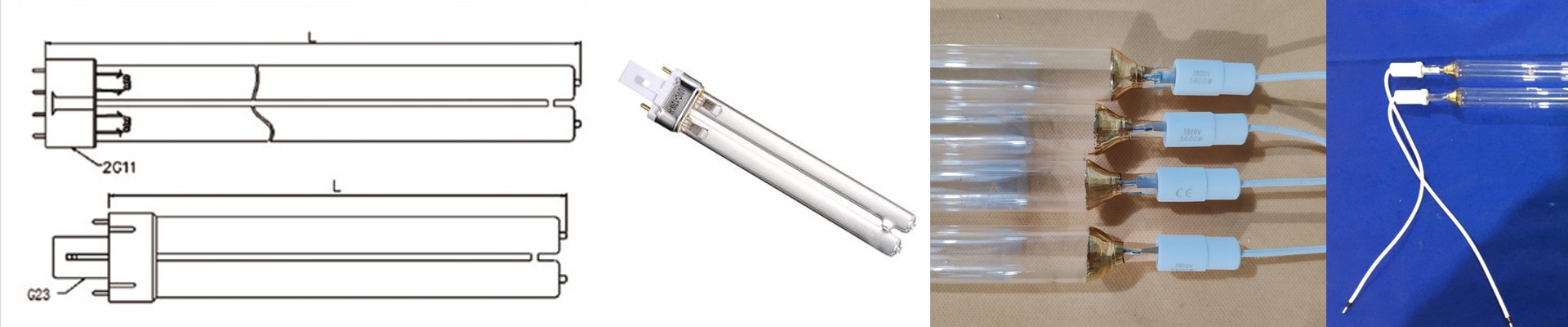
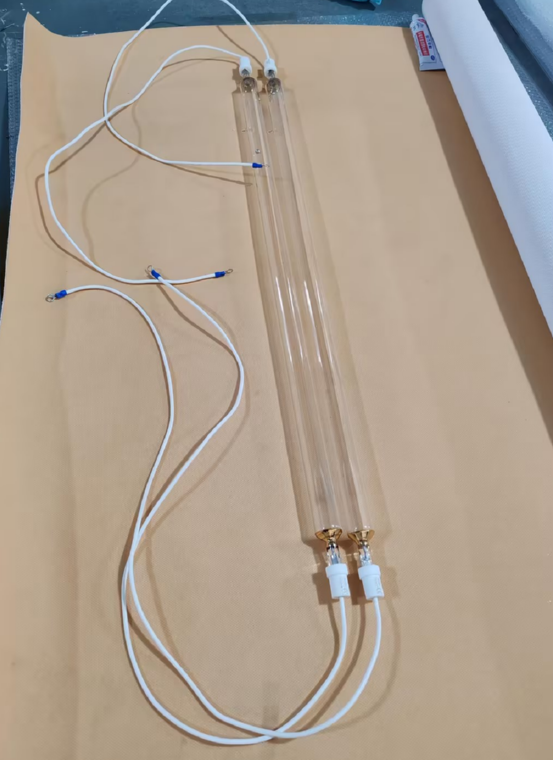
On the press floor, a UV lamp doesn’t just fail—it takes your run down with it. You get scrap, rework, and a mad dash to get cure back under control on the next job. That’s why we don’t just drop in replacement lamps. We show up, measure the system as it runs, and dial the cure profile to match the ink, the substrate, and your line speed. What matters technically A mercury vapor lamp isn’t a heat source you can treat like one size fits all. It’s a spectral tool. We match arc length, dopant, and reflector dichroic coating to your press—so you get the wavelength you actually need: 365 nm for deep through-cure, 385–405 nm when you want surface response, and controlled IR so you don’t cook the substrate and cause distortion. Typical peak irradiance at the substrate plane hits 8–12 W/cm², delivering curing energy density of 300–800 mJ/cm² at 300–600 m/min. Across the life of the lamp, spectral output stays within ±5%. We also keep junction temperature stable and run ozone-free. Why it sticks in real production We start with a field audit. We map lamp power, voltage drop, reflector reflectance, and the cure window against your photoinitiator chemistry. Then we spec the lamp and optics so the dose lands where the chemistry needs it—not where it happens to land by default. You end up with fewer micro-curls, better adhesion, and dot gain that stays under control shift after shift. Energy use comes down because reflector efficiency stays high, and lamp changeouts become planned work, not panic. The details that bite you if you ignore them Compatibility is machine-specific and reflector-specific. Envelope, terminal type, and water-cooling flow have to match the fixture—no shortcuts. Output is sensitive to positioning. Move the lamp 1–2 mm and irradiance can swing by double digits. Give the lamp about a 30-minute warm-up to reach stable spectral output. And check the reflector. Pitting and oxidation quietly kill performance, even with a brand-new lamp.