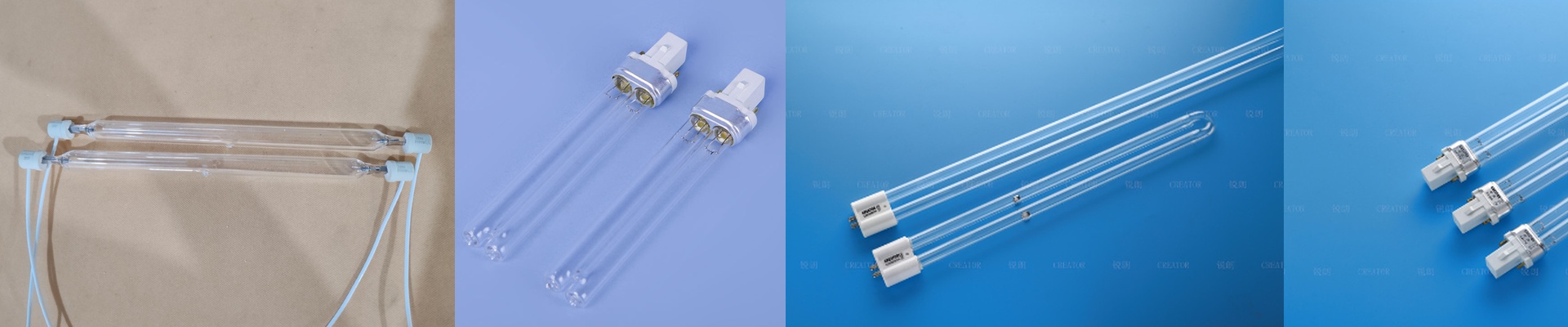
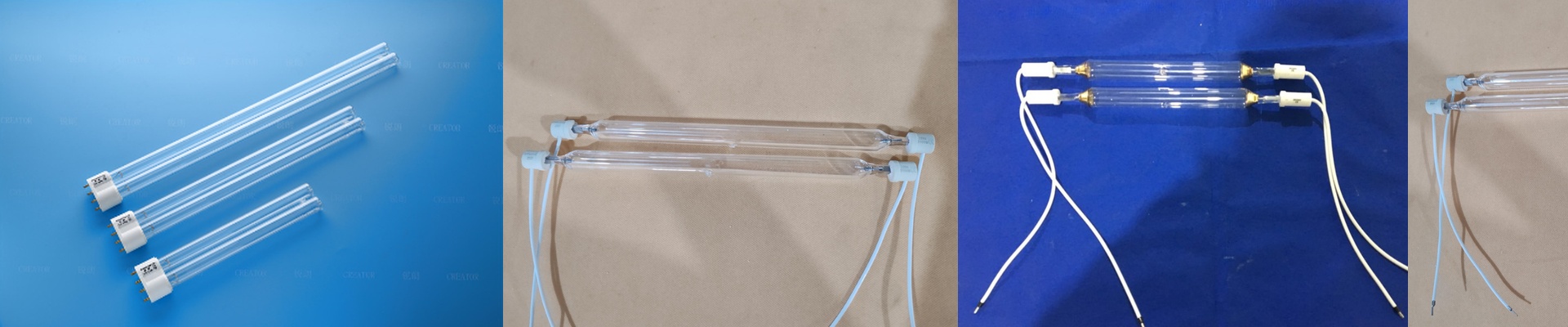
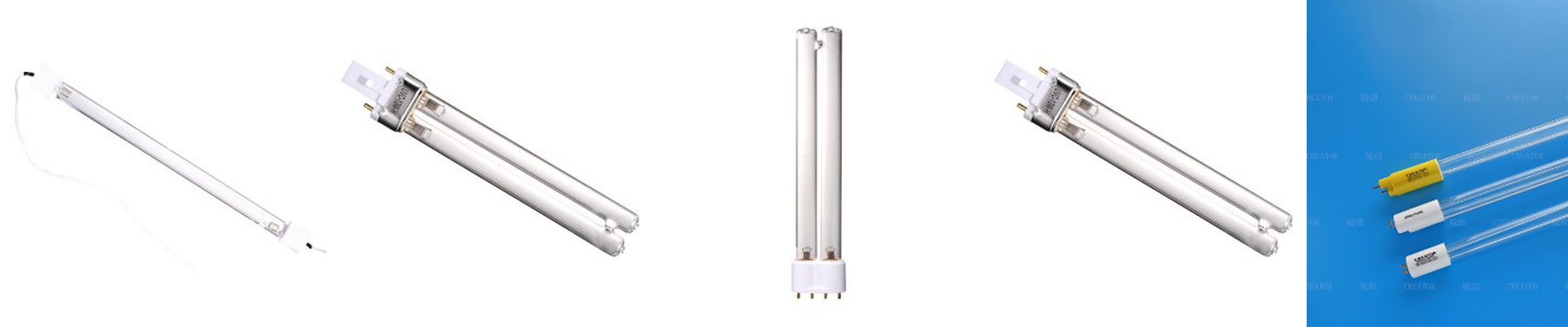
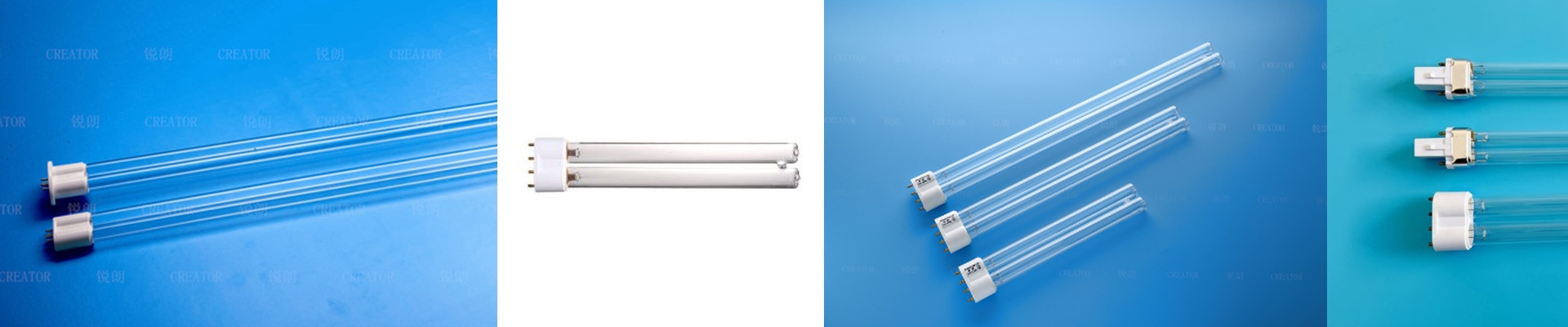
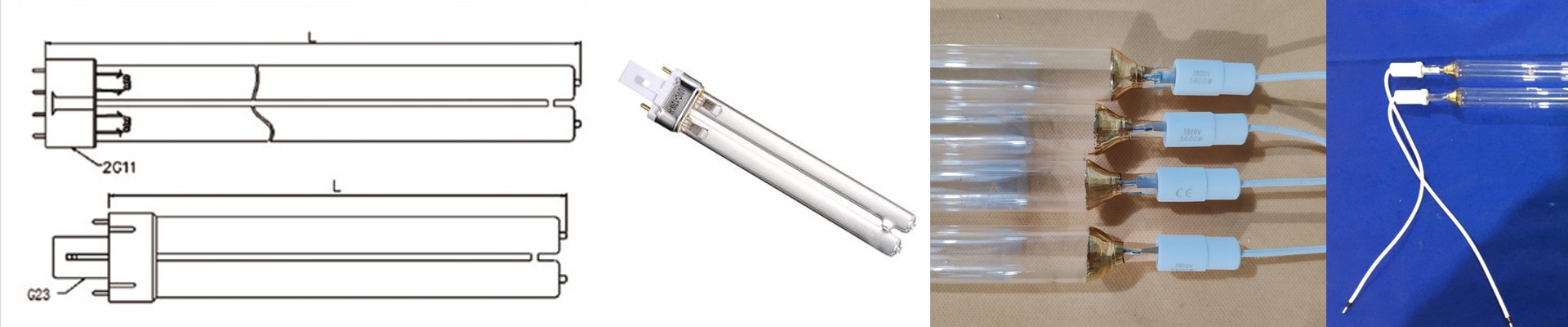
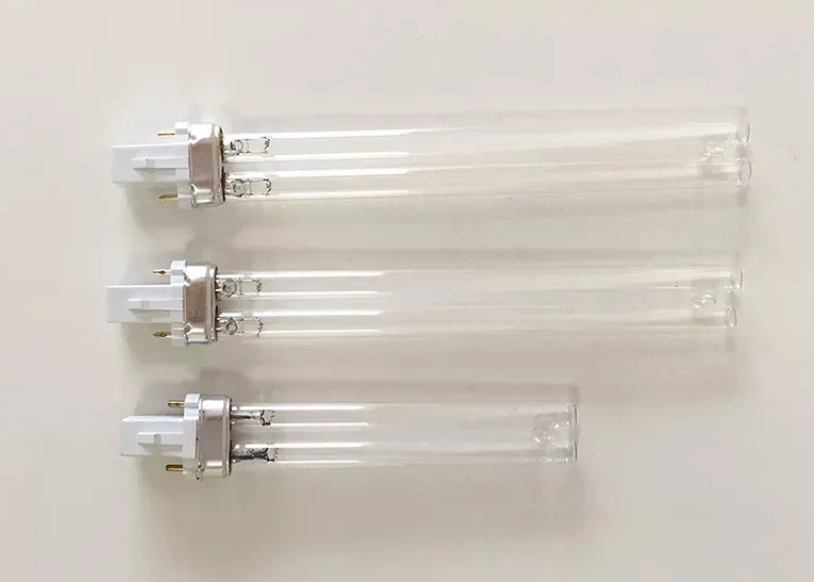
Older offset, flexo, and screen presses start to choke when their original UV lamps lose spectral output and irradiance. The cure window shrinks, and you end up slowing the line just to keep ink from staying tacky. We get that margin back. What actually matters under the hood Our industrial mercury UV bulbs are built to deliver stable, high-intensity curing, with spectral output centered on the dominant mercury lines—254 nm, 313 nm, 365 nm, and 436 nm. That lineup matches the photoinitiators and pigmented systems most of us run every day. Peak irradiance at the substrate typically exceeds 1200 mW/cm² (measured at lamp center, 10 mm standoff), so you have the energy density needed for fast cross-linking. Output stays consistent thanks to a high-reflectivity dichroic-coated reflector and a controlled arc gap. The result is repeatable cure from job to job. You can plan on 8000–12,000 hours of useful life before output drops below what your ink chemistry needs. Why this plays well on legacy presses Swapping in a mercury bulb on older equipment restores the curing headroom the machine was designed for. With higher irradiance and stable spectral output, you can get back to rated press speeds, cut down scumming and set-off, and stop sweating thick ink deposits. Energy use per cured meter drops because the lamp comes up fast and holds steady, and fewer lamp changes mean less downtime. In a lot of retrofits, you can pick up 15–30% line speed without touching the ink formulation—just by putting the cure energy back where it belongs. A few shop-floor details you can’t skip Match the lamp to the reflector geometry and your power supply. Mercury bulbs are sensitive—ignition voltage, arc length, and reflector focal distance all matter. Misalign even a few millimeters, and you’ll see irradiance take a measurable hit. Before you order, verify fixture compatibility and lead length. And check the reflector condition; pitting or oxidation will rob output no matter what bulb you install. Set up proper cooling and ozone management, and use a spectral radiometer to baseline the press before and after the upgrade.