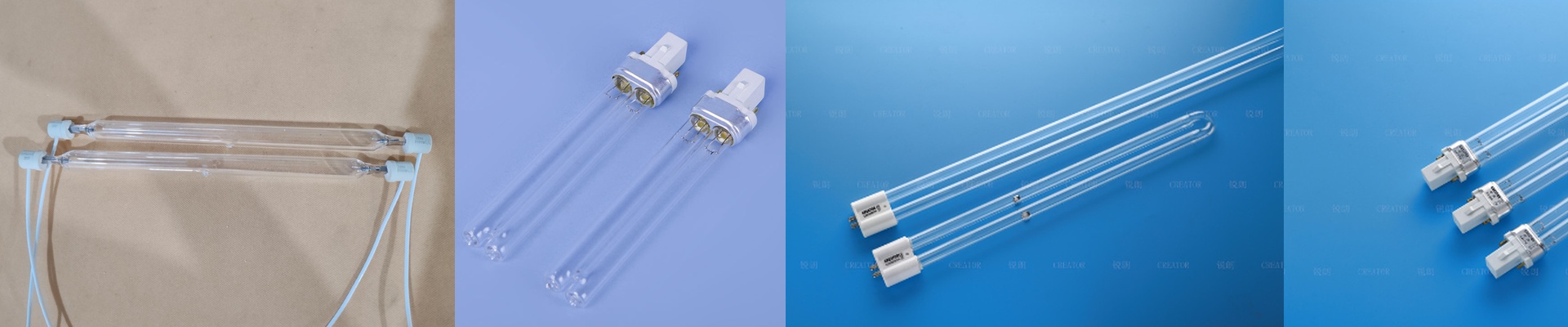
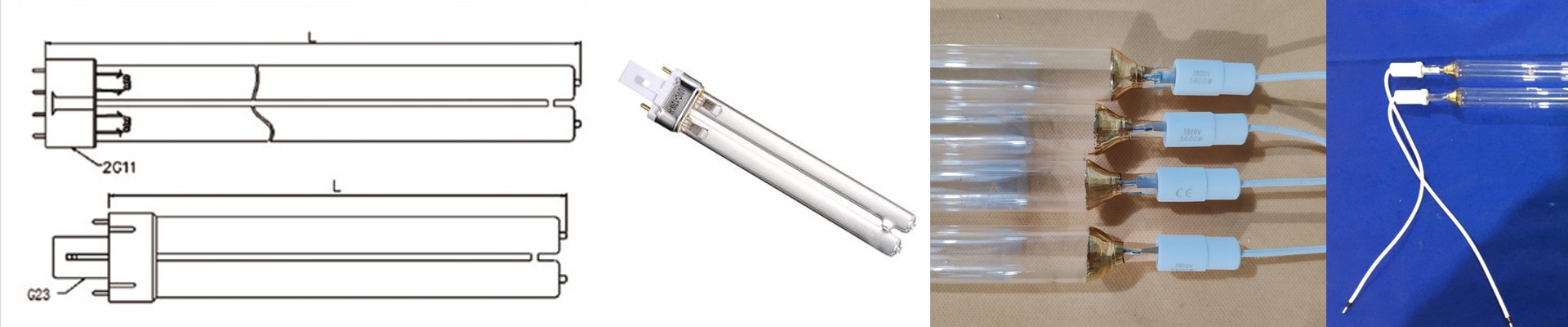
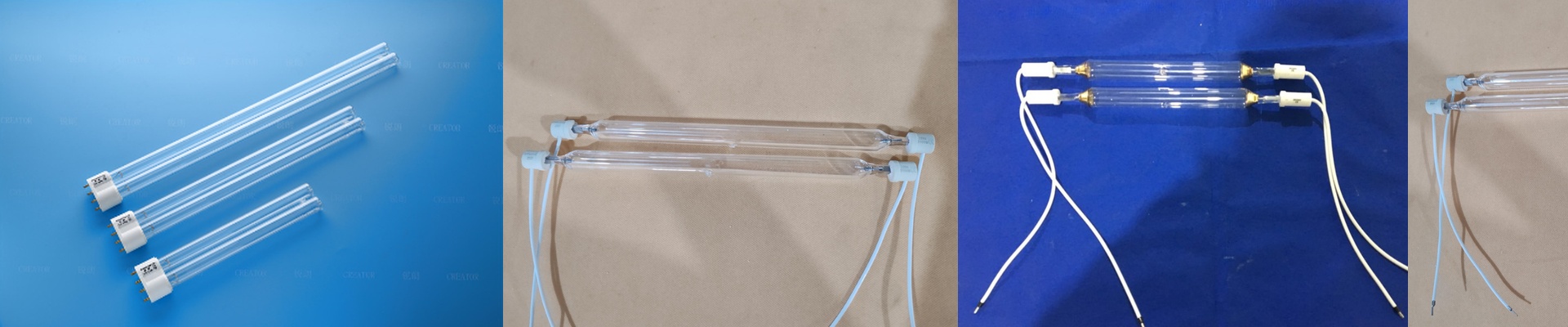
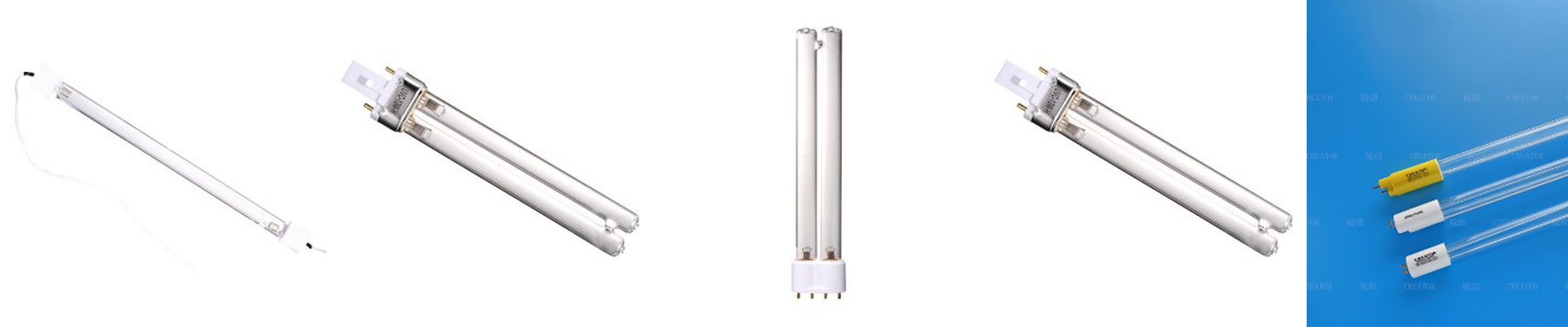
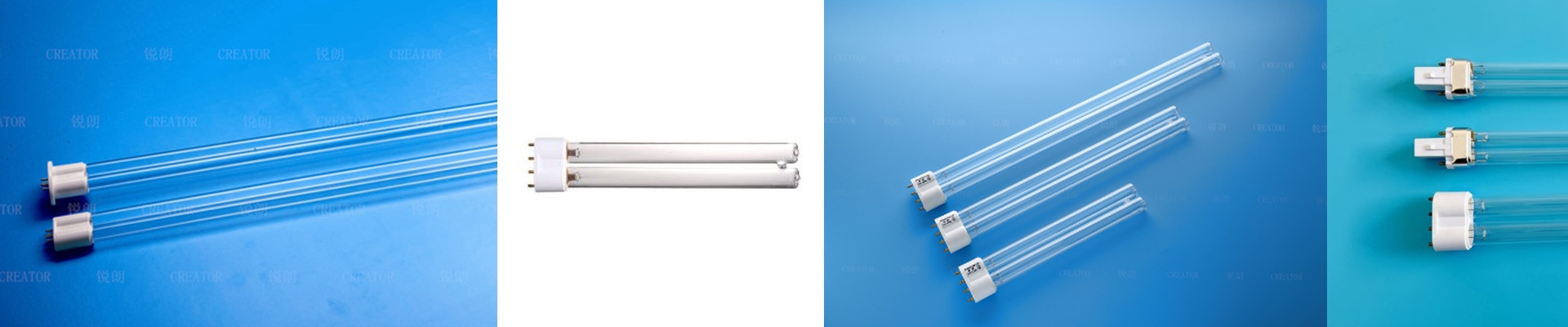
On the pet product line, microbial safety is a baseline requirement—no exceptions. Heat sterilization drags throughput down and can warp heat-sensitive plastics, while spotty chemical wiping is basically asking for a recall. Gallium halide UVC curing lamps give you a cleaner option: disinfection that happens instantly and deep in the molecule, right inside the manufacturing flow. What matters, technically Gallium halide fills push the spectral output toward 254nm—the germicidal wavelength that breaks microbial DNA and RNA. That means rapid inactivation, not just a cosmetic surface wipe. On the floor, dose comes down to peak irradiance at the target plane, measured in mJ/cm². Match the reflector with a dichroic coating and you concentrate the output and stop wasting energy. These lamps turn on instantly—no warm-up—and hold output stability for a long run. You can expect 5,000+ hours with less than 5% output drop, so dose consistency stays tight. Why it fits this work Pet toys, bowls, and carriers are often polymers and thin films that can’t take prolonged heat. Gallium halide UVC gives you fast, low-thermal disinfection without stretching cycle time. The same lamp can also handle UV curing of inks and adhesives on packaging components, so you can combine two steps into one pass. The process is repeatable. Set conveyor speed, confirm lamp power, and the delivered dose is predictable. That predictability cuts scrap, supports compliance, and turns safety into a real production advantage. The details that bite you if you ignore them UVC intensity drops off with distance squared, so lamp-to-target spacing has to be fixed—and measured. In occupied production areas, use ozone-free quartz sleeves. Make sure the power supply matches the lamp’s ignition requirements, and that the fixture cooling can handle the thermal load. And don’t skip routine radiometer checks. Dose is what you measure, not what you assume.