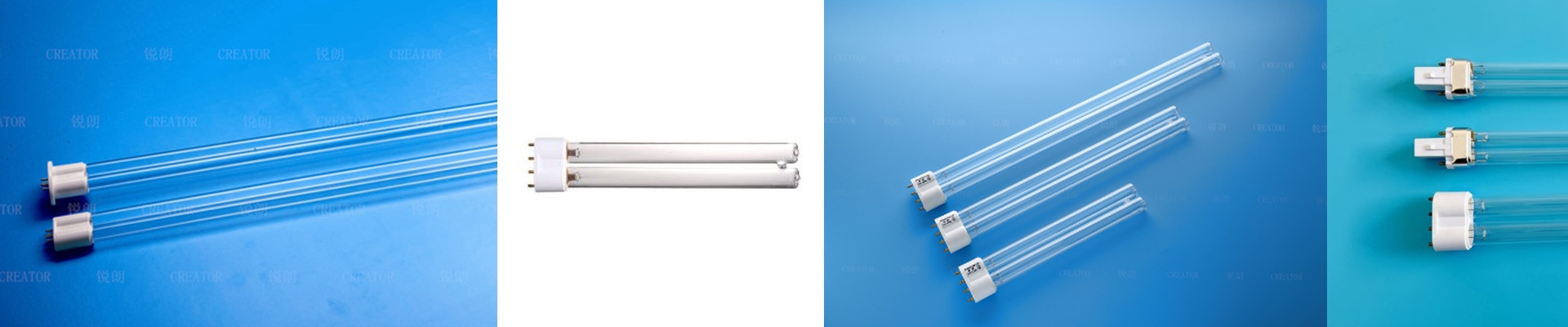
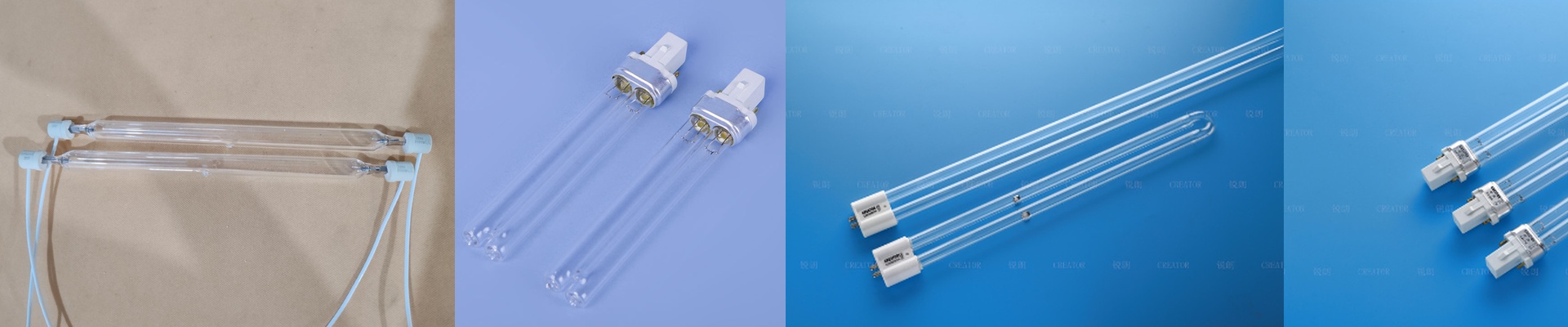
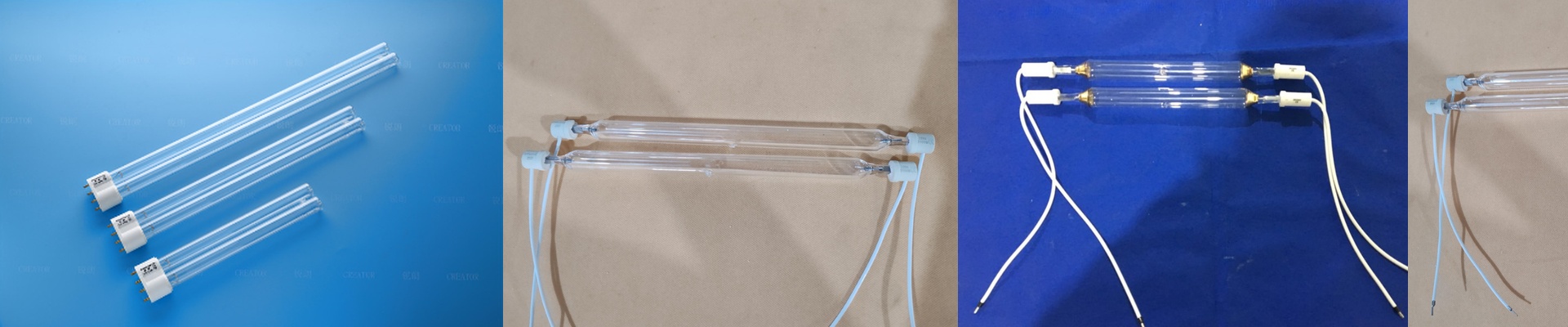
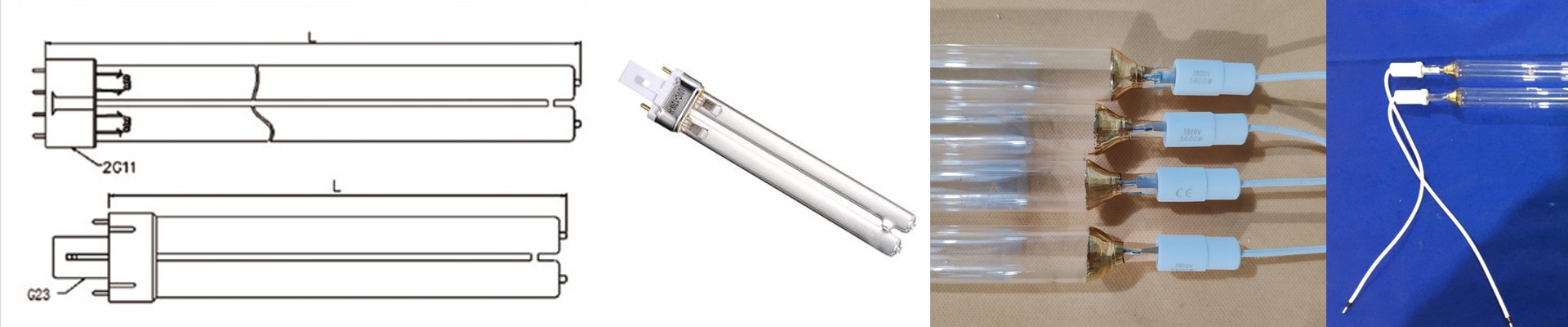
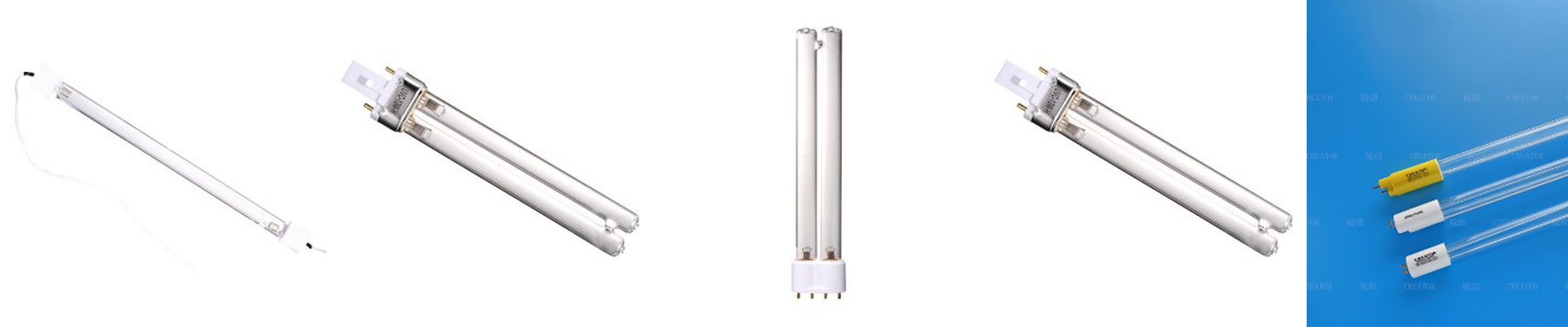
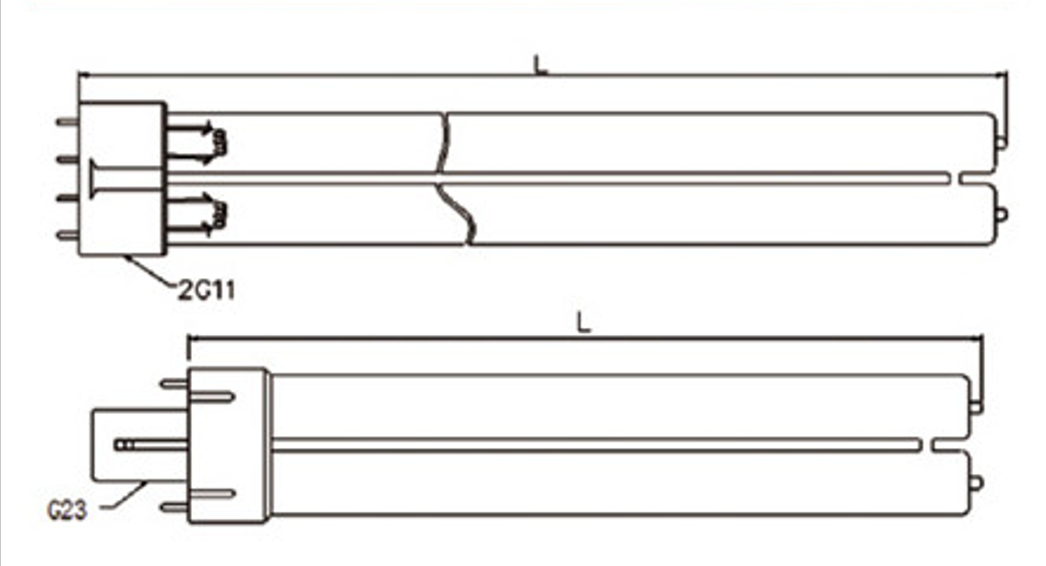
On a textile line—roll to finished garment—UV curing is the quiet workhorse. Get the lamp wrong in the exposure unit and the whole line stutters: ink won’t set, pigments bleed, and throughput tanks. The gallium lamp isn’t just a spare. It’s the spectral anchor that keeps the process honest. What matters, technically We build this replacement gallium lamp to hold a stable 365nm to 385nm spectral output, tuned to kick off photopolymer cross-linking in UV-curable inks and coatings. Peak irradiance stays at 1,200 mW/cm² at 10mm working distance, giving you 800 mJ/cm² in a single pass. The quartz envelope is doped to suppress ozone, and the internal amalgam stabilizes arc temperature, keeping spectral drift under 3% over 2,000 hours. That predictability is exactly what you need when the photoinitiator package is dialed into a narrow UVA band. Why it holds up on textile work Textile runs need consistent cure depth, even on thick, dark substrates. This lamp delivers the UVA intensity that penetrates pigment layers without skinning the surface, so you kill tack and can fold, cut, and sew right away. The output curve stays steady, so you’re not chasing lamp degradation mid-run, and the fast arc stabilization keeps pace with high-speed screen and flexo presses—no curing lag. Energy draw stacks up against mercury equivalents, and in most setups you’ll see a 15–20% cut in kWh per curing cycle, with lamp life hitting 3,000 hours under controlled irradiance. The shop-floor details you can’t skip Matching the reflector geometry and socket impedance isn’t optional. The lamp drops into standard exposure frames, but you still need to confirm ballast compatibility and the reflector’s dichroic coatings—mismatched optics will skew the spectrum and wipe out any gains. Expect a warm-up to reach peak irradiance; plan exposure timing around it. Cranking power without proper airflow shortens life and shifts the spectrum. Keep the quartz clean, and verify output with a calibrated radiometer, not a timer.