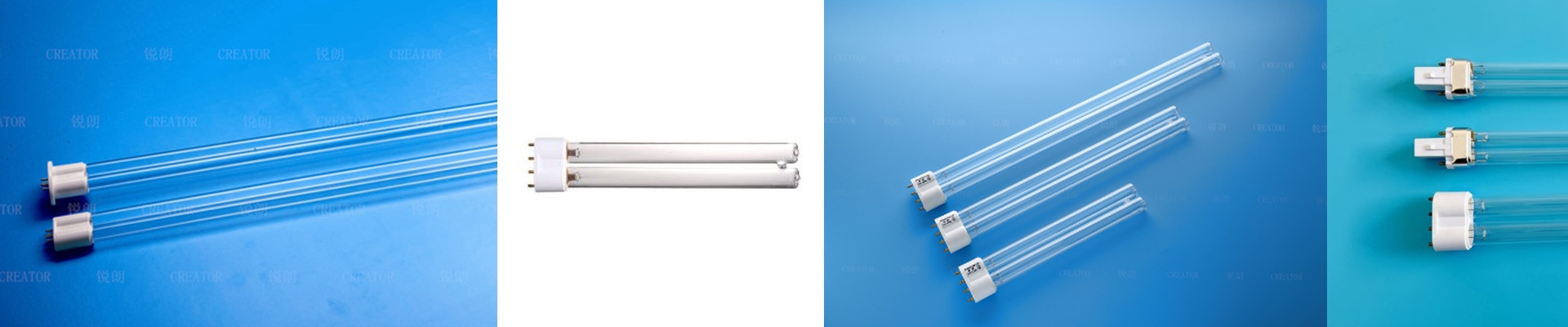
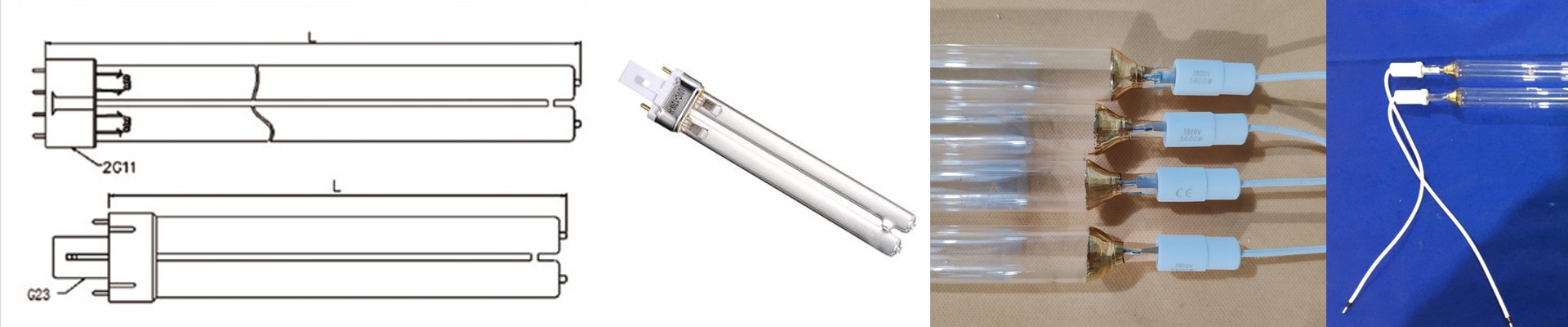
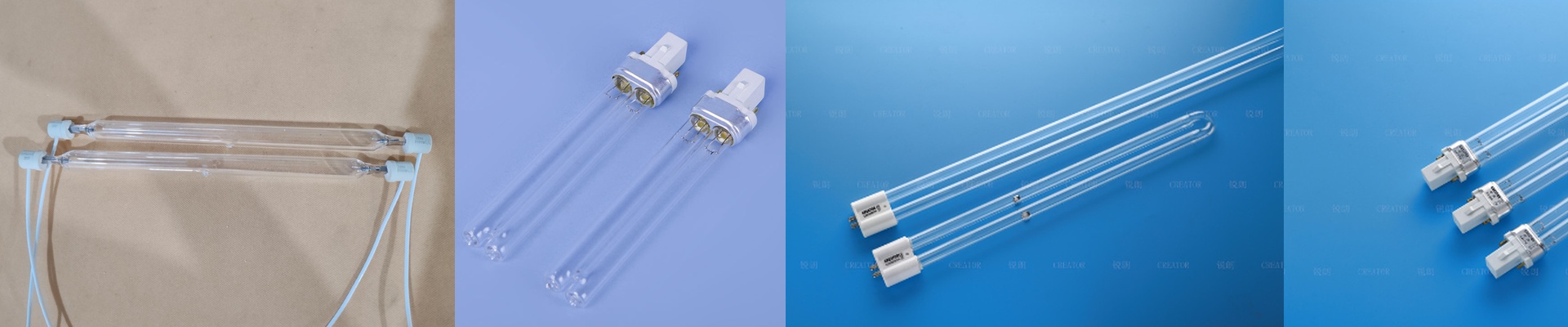
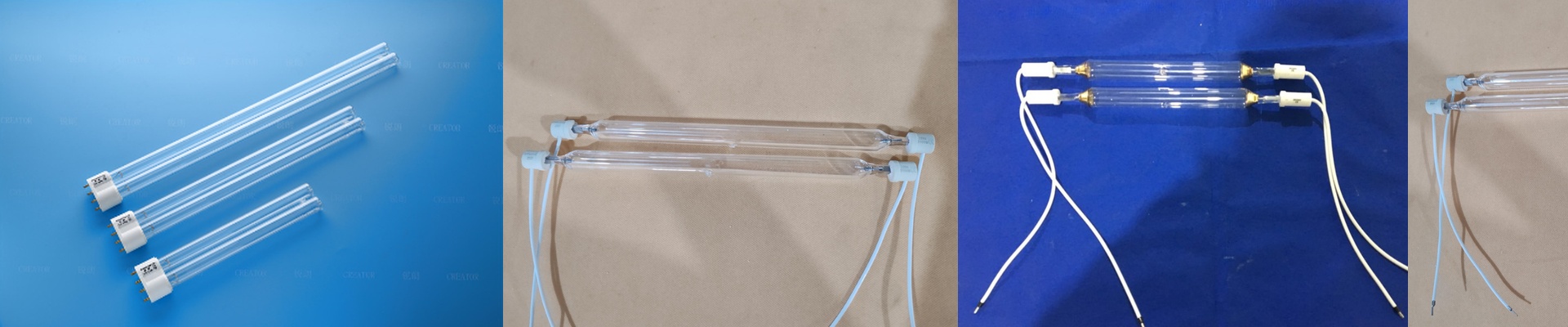
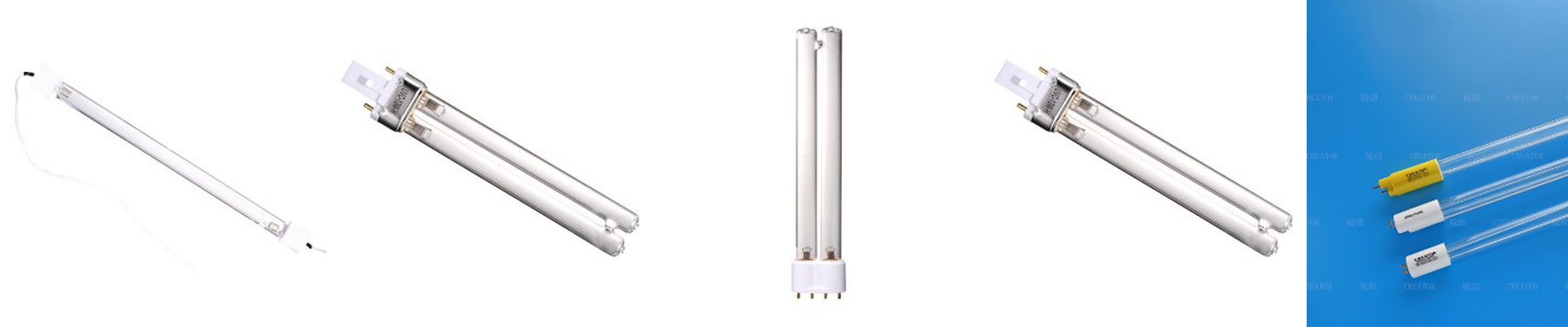
Out on a dusty shop floor, standard UV lamps don’t just struggle—they die fast. Dust cakes the reflector, spectral output falls off, and the curing line stutters. We built the Quartz UVC T5 germicidal lamp around that reality, with a fully enclosed, high-purity quartz reflector that keeps the mirror surface clean. The sealed geometry preserves reflectivity and keeps thermal management from going sideways. What matters under the hood This is a T5 form factor with a high-purity quartz envelope and ozone-free operation, delivering steady 254nm UVC output. The reflector isn’t a cosmetic piece—it’s a precision optical cavity with a dichroic coating tuned to hold peak irradiance across the lamp’s operating envelope. Even when particulate loading is heavy, the design keeps thermal output consistent. Expect stable output over 5,000+ hours, with minimal degradation. Peak irradiance stays predictable, so you can hit repeatable energy density (mJ/cm²) control right at the target surface. Why it holds up in harsh lines In gritty, dusty runs, the enclosed reflector stops particulate ingress, so reflectivity and thermal balance don’t crater between interventions. You get curing energy where you need it, when you need it. For UV curing, that means clean initiation, deeper penetration into pigmented layers, and full cross-linking on the first pass. Cycle times stay tight, scrap drops, and you stop paying the hidden tax of constant lamp and reflector cleaning. A few shop-floor notes Installation comes down to orientation and clearance. The sealed assembly is tough, but your fixture’s airflow has to match the heat load. Verify voltage and connector compatibility with your existing ballast, and make sure your substrate’s photoinitiator spectrum lines up with the lamp’s output profile. Run a thermal profile on the first shift to lock in dwell and intensity.