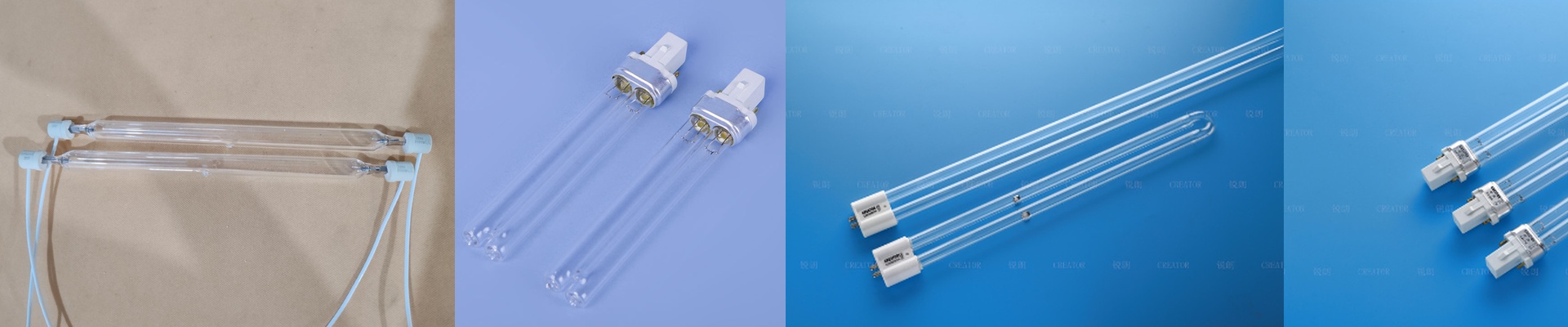
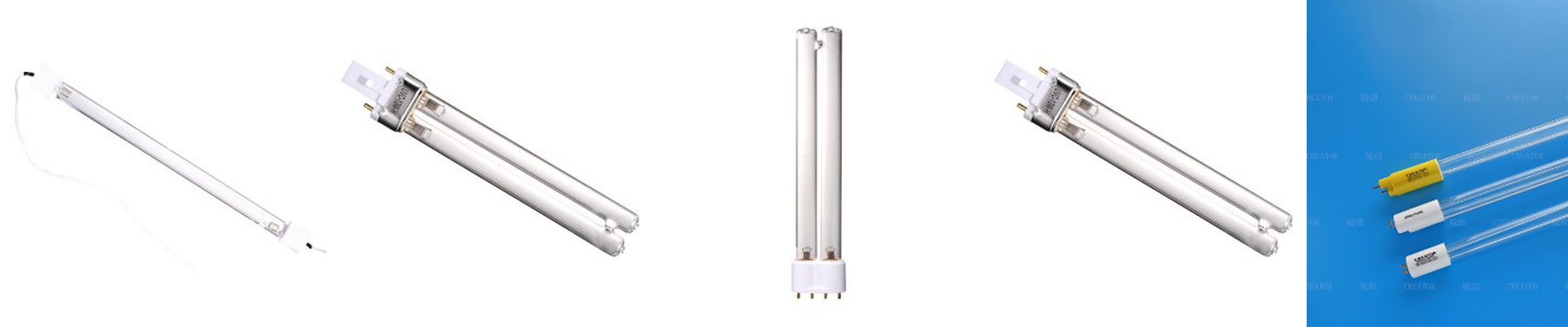
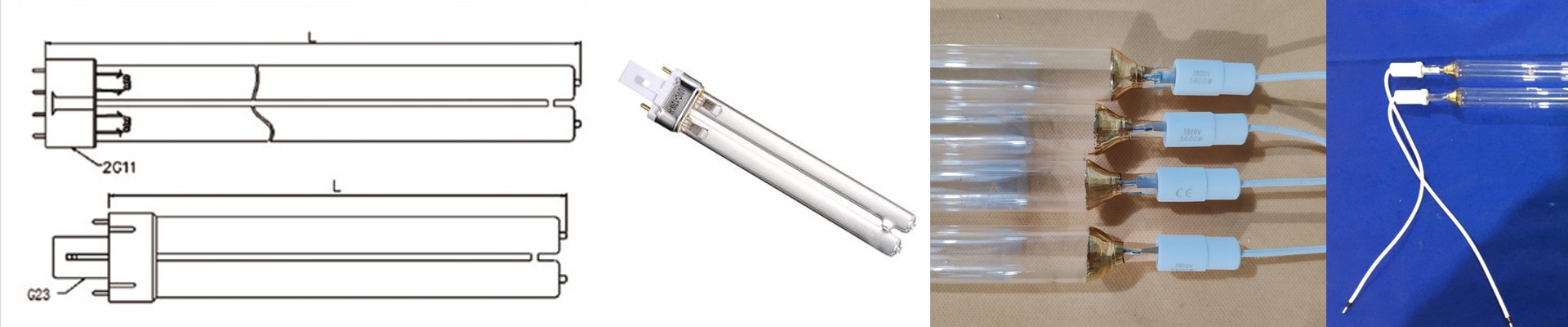
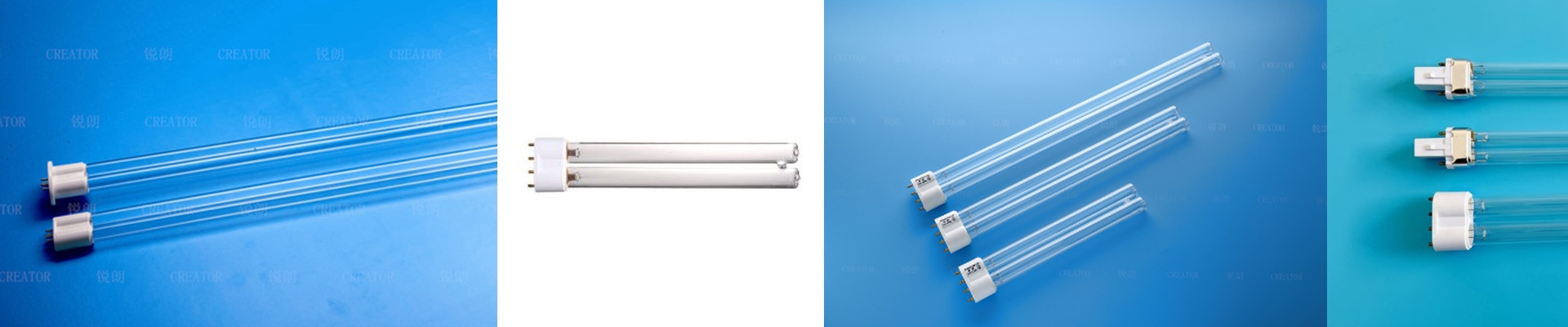
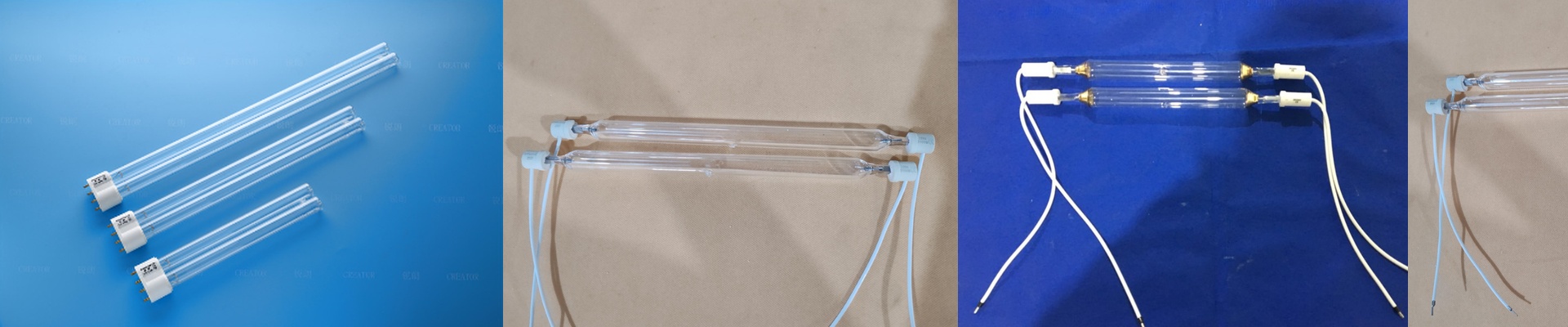
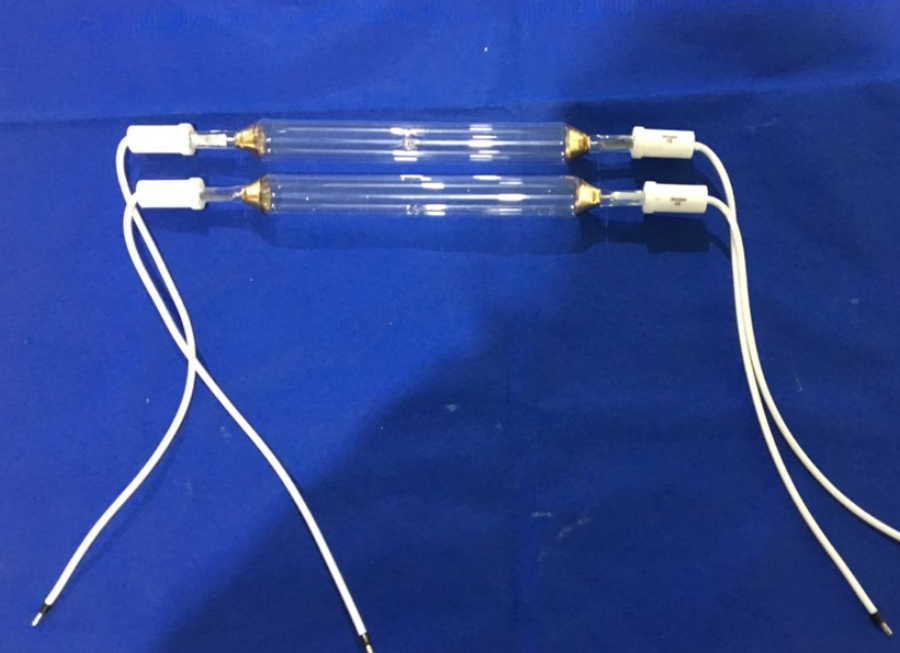
On a press that’s running flat out, the line between a clean cure and a stack of wet sheets often comes down to the first few milliseconds of lamp ignition. When the machine is firing off hundreds of thousands of quick flashes, the cathode and its ignition setup aren’t just parts—they’re the foundation of process stability. What matters under the hood The ignitor for gallium iodide lamps is built around a low thermal inertia cathode. That means it gets up to the right emissive temperature fast, with less time and energy, so it starts reliably even after a short standby. The ignition profile delivers a clean, high-voltage pulse to strike the arc without a lot of sputtering, which protects the cathode’s electron-emissive coating. That design keeps spectral output steady at 365nm and 385nm, holding the peak irradiance needed for rapid cross-linking. The payoff is a stable lamp operating curve—no gradual drop-off in output like you see with conventional systems that get cycled hard. Why it fits the press room In flexo and screen work, where you’re curing in quick bursts, cathode fatigue resistance is everything. With a low thermal inertia design, the lamp hits full curing power in seconds, keeping pace with the press without cooking the substrate. That translates to higher throughput, less energy spent during warm-up, and fewer lamp changes. The ignitor also keeps the lamp firing consistently, so you don’t get uncured ink carry-over. Color density and adhesion stay consistent across the run. The practical details This ignitor system is tuned for gallium iodide lamps, and it needs voltage matched precisely to the lamp spec. Get polarity and grounding right during install, or you’ll see erratic ignition. The low thermal inertia approach improves cycle performance, but it needs a stable power supply—voltage swings will cut the cathode’s life short. Before you retrofit, confirm compatibility with your existing UV curing unit’s ballast and reflector assembly.