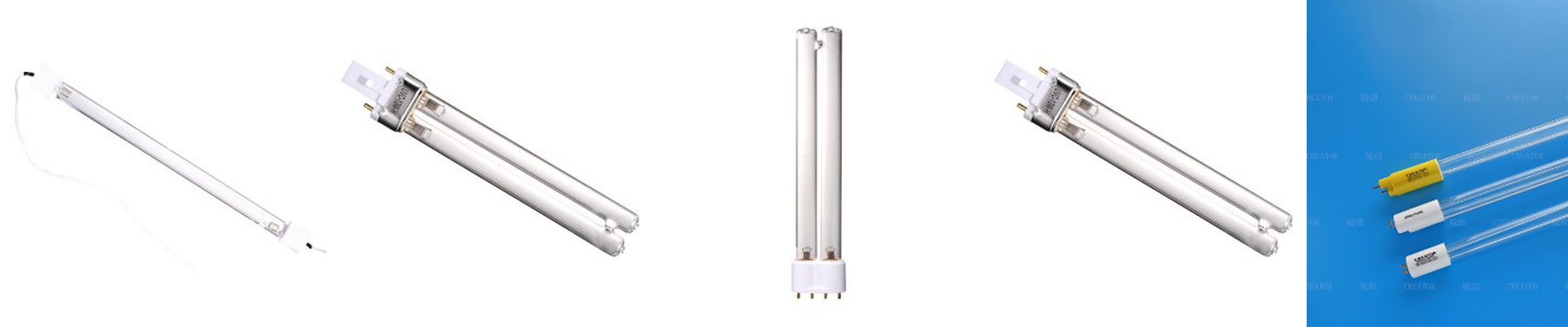
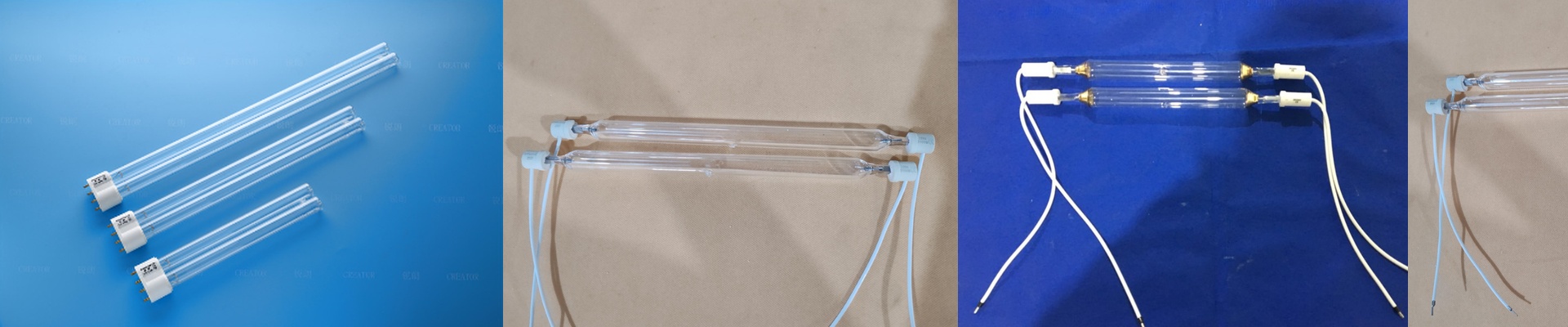
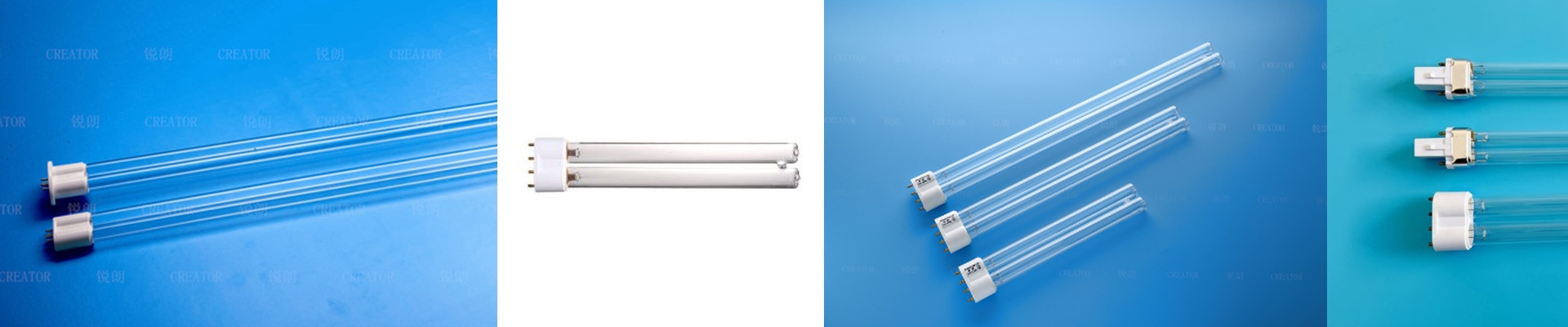
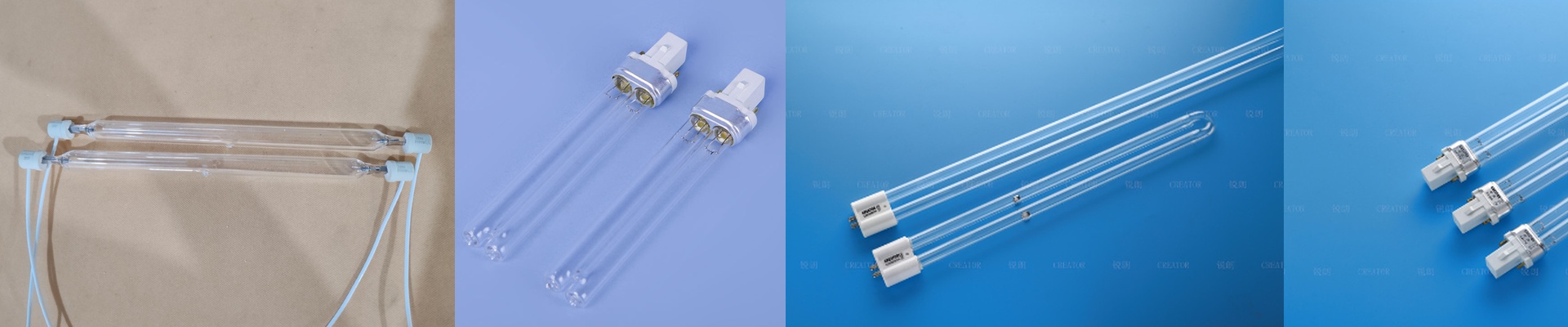
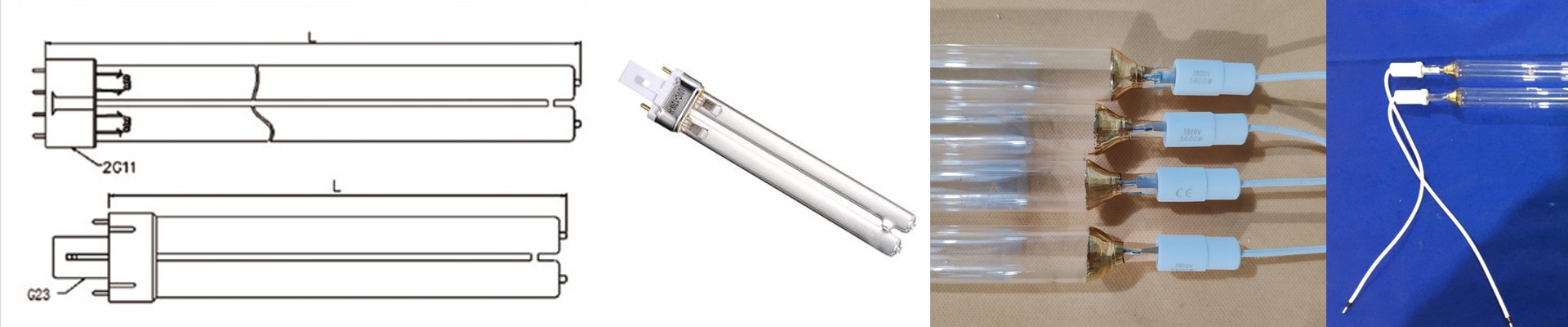
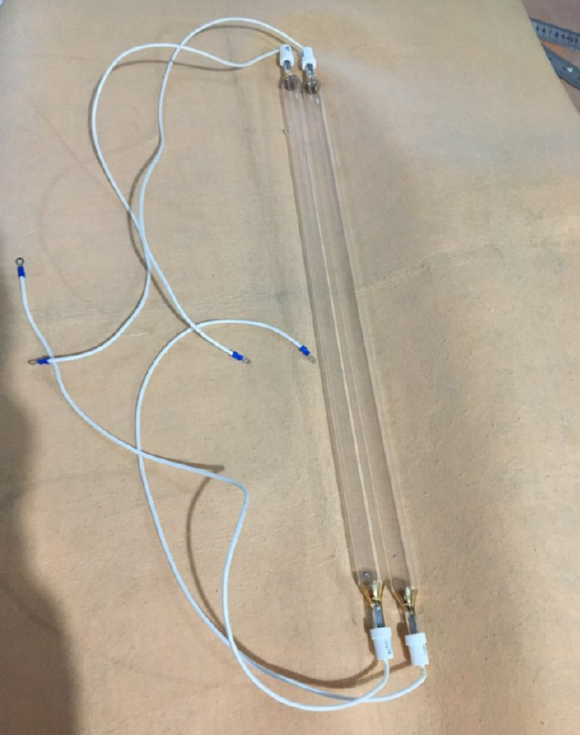
In cold-chain work, UVC disinfection falls apart fast when the lamps can’t hold steady output in -20°C. Standard units lose spectral intensity and take thermal stress, and that leaves real gaps on conveyors, totes, and packaging surfaces. Here’s what actually matters: keeping germicidal irradiance consistent under a cold load. We built our low-temperature UVC lamp around a cold-rated quartz envelope and a thermally compensated ignition circuit, so it holds stable 254nm output even at -20°C. You get a repeatable dose profile with measured irradiance that supports the microbial reduction targets on moving surfaces—without leaning on external heaters that add complexity and draw. A controlled ramp-up sequence eases internal electrode stress, and the assembly is built to handle repeated thermal cycling. It works because it fits the reality on the floor. In freezers and refrigerated logistics lines, you get dependable disinfection on packaging and equipment without waiting for warm-up, so you don’t stop the line. The design runs ozone-free and drops into existing sanitation zones, and the housing holds up against condensation and frost. A couple of practical details. Confirm mounting orientation and clearance so you don’t create shadows on the target surface, and make sure the power supply is compatible for stable ballast operation in low ambient temperatures. And UVC exposure has to be controlled. Use interlocks—and interlock-verified safety procedures—to protect personnel during operation and maintenance.