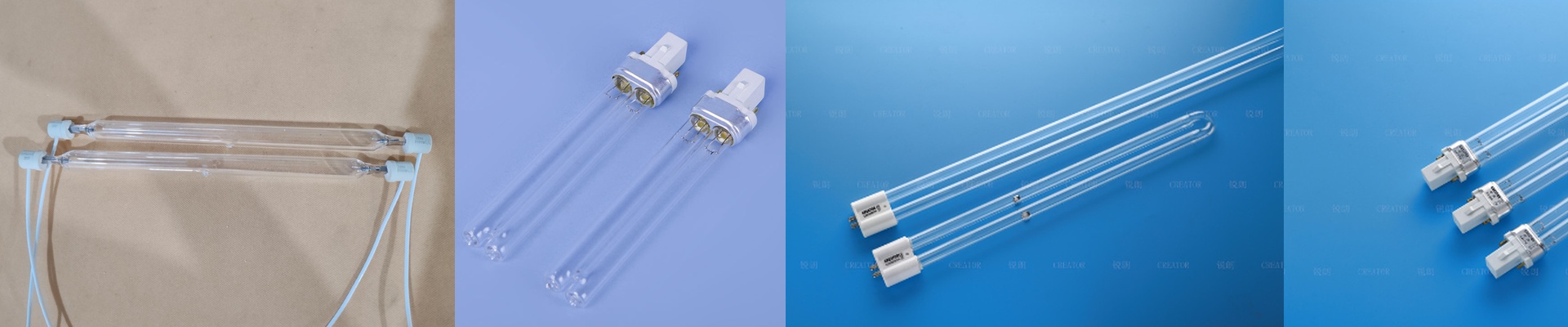
Getting Your UV Curing Right with Gallium Iodide
Ever had a job where the ink looks fine on top, but the second you touch it, you realize the core is still wet? It’s a nightmare. Most standard mercury lamps just can’t punch through thick ink or deep coatings. We’ve spent time in about 3,000 different printing plants. If there’s one thing we learned, it’s that the “textbook” way of curing rarely works on a loud, fast-moving shop floor. The real problem is usually the light spectrum. That’s why we build our gallium iodide (GaI) lamps—to shift that light peak and give you the exact wavelengths your production actually needs.
Why Gallium Iodide Actually Works
Here is the secret: it’s all about the match. Gallium iodide widens the UV spectrum, pushing more energy into the UV-A and UV-B ranges. Think of it like a key fitting into a lock. Your ink has photoinitiators that only react to specific wavelengths. If the light doesn’t match the ink, you end up with a tacky surface and a liquid center. We build these lamps so the cure goes all the way through, even on those stubborn, non-porous materials.
The Trade-off: Heat
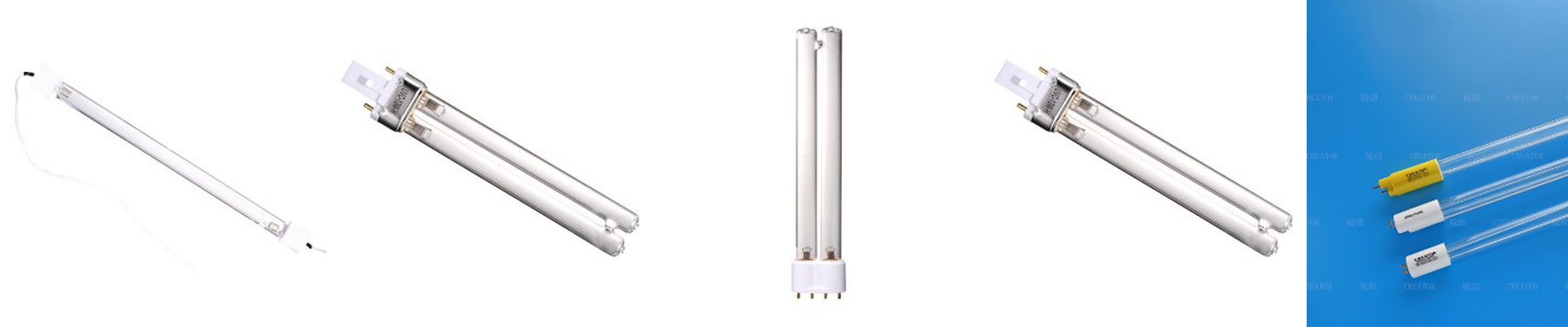
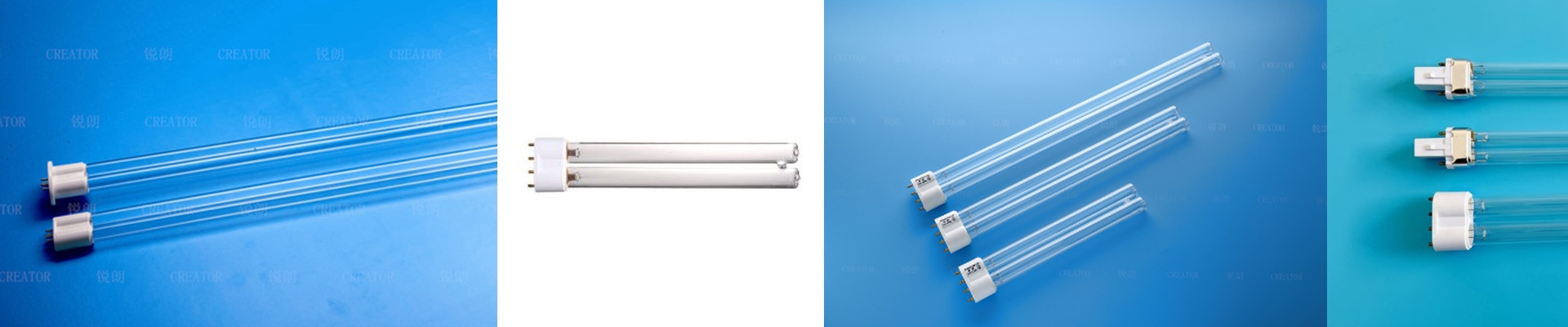
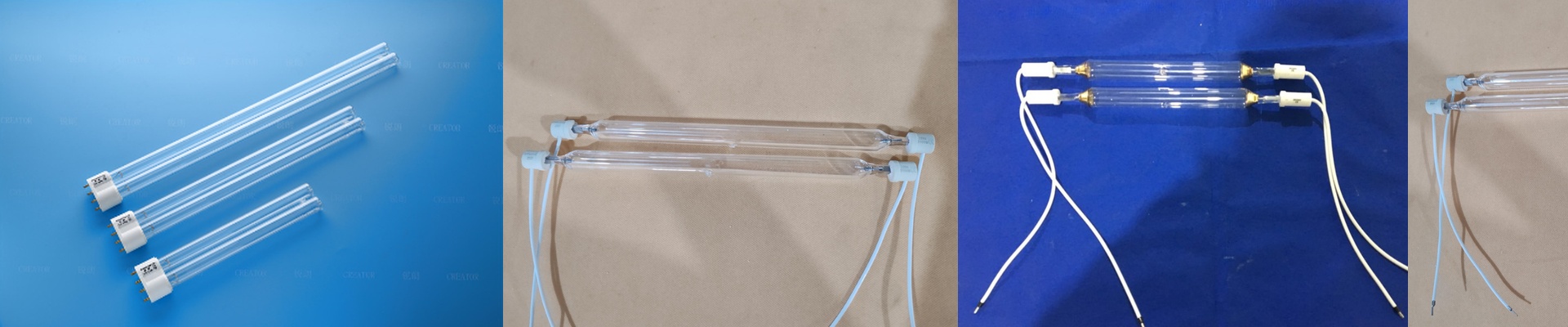
We use high-purity quartz glass so the lamps don’t degrade over time. You can pick the length and wattage that fits your current conveyor, so you aren’t rebuilding your whole line. But there’s a catch.These lamps run hot. When you cram that much energy into a small tube, your substrate feels it. If you’re working with thin films or plastics that melt if you look at them wrong, you’ll need to double-check your cooling fans or chilled air. You don’t want your material warping just as it’s finishing the cure.
Putting Them to Work
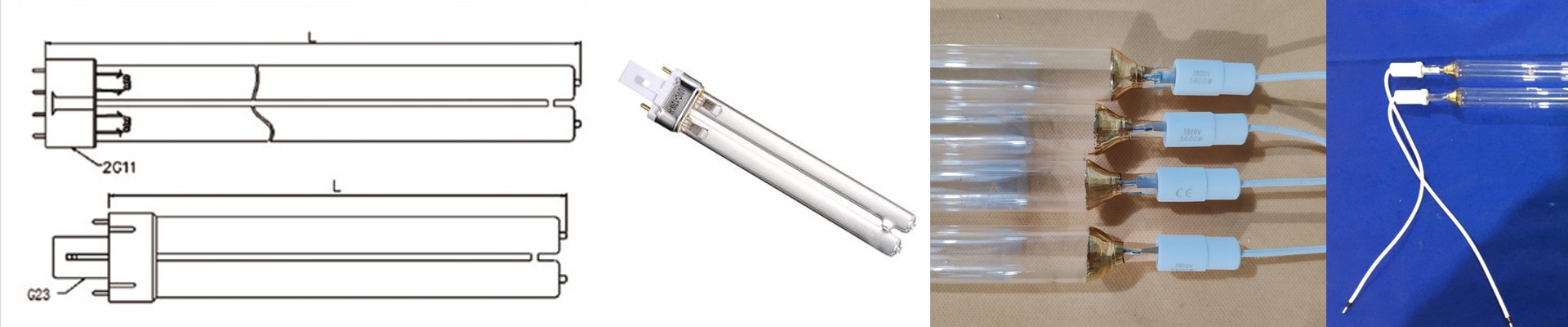
The best part? These are basically drop-in replacements. We put a lot of effort into the connectors and electrodes because nobody wants a lamp to burn out in the middle of a rush job. You can wire them right into your existing ballast. Just do me a favor: check that your power supply can handle the specific impedance of gallium-doped gas. Once they’re in, you’ll notice the curing happens faster. No more “ink bleed” during high-speed offset runs. Just clean, dry prints.