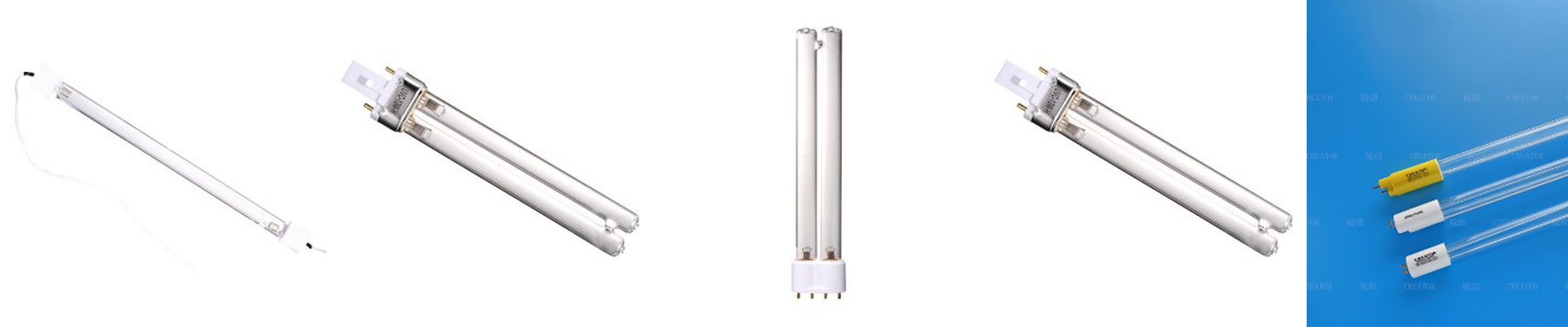
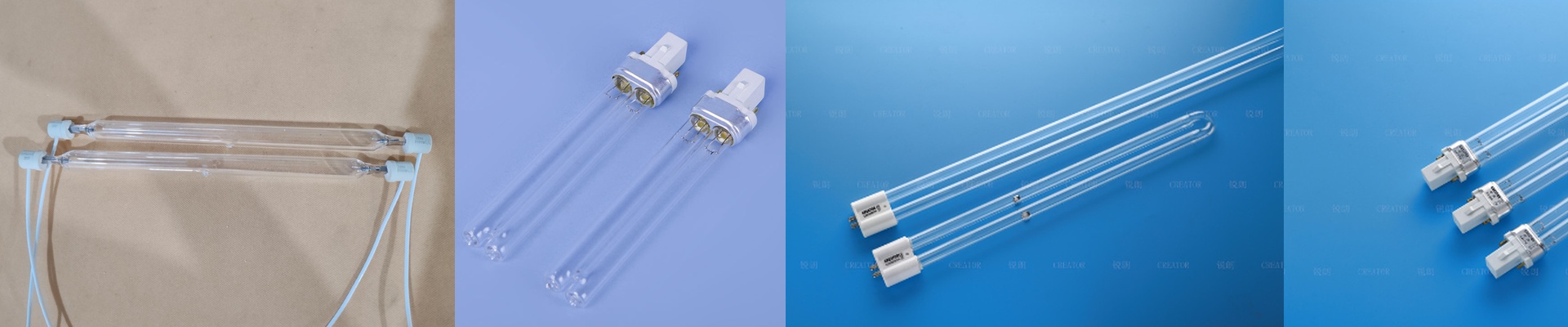
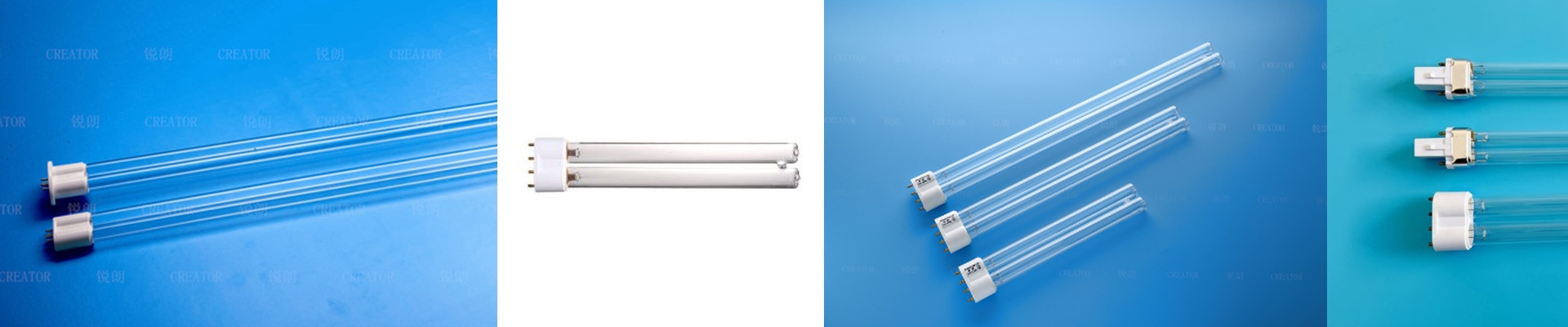
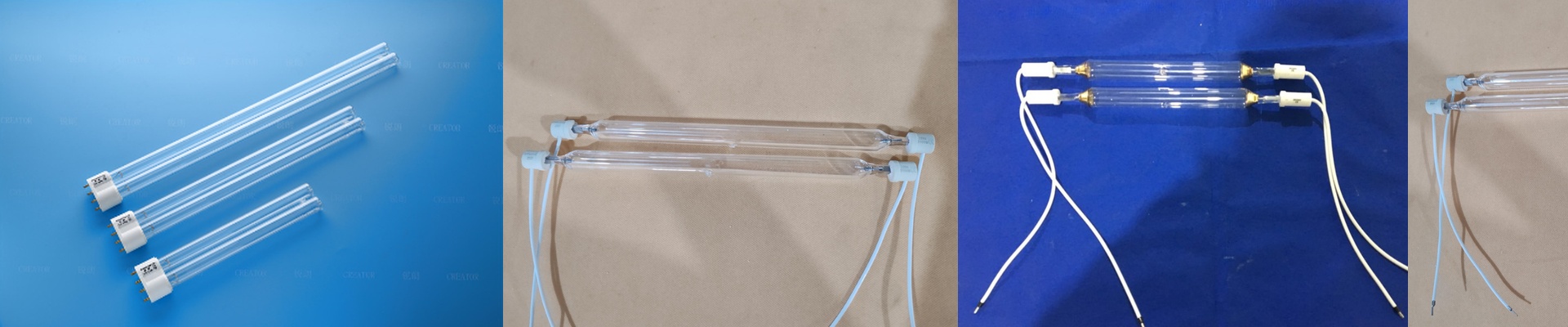
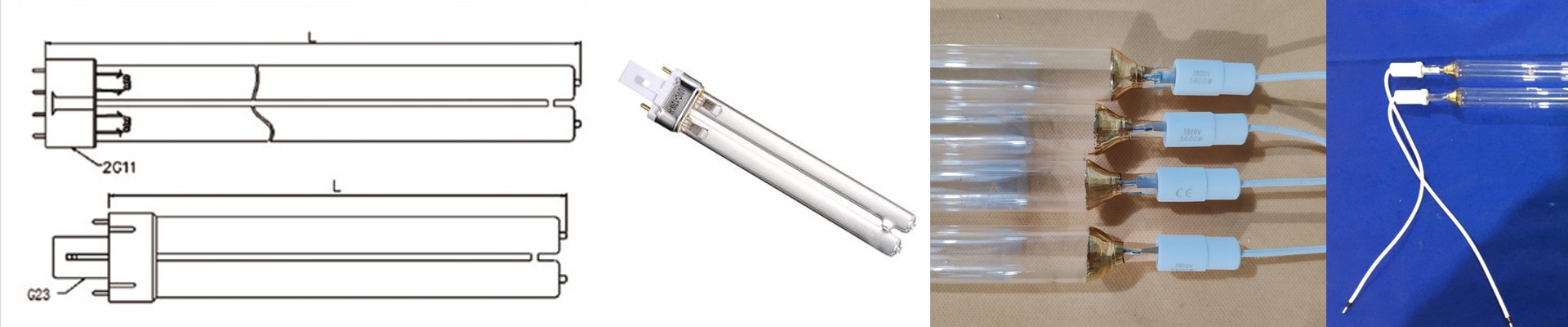
Hitting a 0.5% spectral energy concentration in an 80W/cm mercury UV lamp doesn’t happen by accident. It comes down to the boring, gritty details—things like exactly how thick the quartz is and the precise mix of gases we pump inside. We build them this way because there’s nothing worse than pulling a part off the line only to find it’s still tacky or the resin hasn’t fully cured. It’s a nightmare for your quality control. Dealing with 80W/cm When you’re packing that much energy into such a tight space, things get intense. If the arc isn’t stable, the tube just burns out. We spend a lot of time obsessing over the mercury vapor pressure inside the quartz. Why? Because if that pressure jumps around, your spectral peak shifts. By keeping that variance at 0.5%, we make sure the photons hitting your material are the same at the start of the lamp as they are at the end. No dead spots. No surprises. The Quartz Struggle We use high-purity synthetic quartz because regular glass would just block the shortwave radiation we’re after. But here’s the catch: heat. At 80W/cm, these things run hot. Really hot. You’ve got to make sure your cooling—whether you’re using air or a water jacket—is actually doing its job. If the lamp overheats, the mercury vaporizes too fast and that tight spectral concentration we worked so hard on just vanishes. Fitting it all in These are designed to be drop-in replacements. We kept the dimensions exact so you can swap them into your industrial curing lines without having to mess around with your reflectors or rewire everything. One heads-up, though. When you push for this level of precision, the lamp gets a bit pickier. You can’t run these on a dirty power grid. If your voltage is spiking, the arc will start to wander, and you’ll lose that 0.5% precision instantly. Stick with a stabilized power supply and you’ll be golden.