Building the Energy-Smart UV Lamp: How We Make It Perform
We don’t build UV lamps just to sell a bulb. We build them for one reason: to sterilize like crazy, without wasting a single watt of power. And we put our money where our mouth is. If our custom lamp doesn’t hit the same curing and germicidal output as the big-name brands at the same price, we cover the cost. No fluff. No marketing tricks. Just straight-up engineering.
The Power, Voltage, and Size—Made Practical
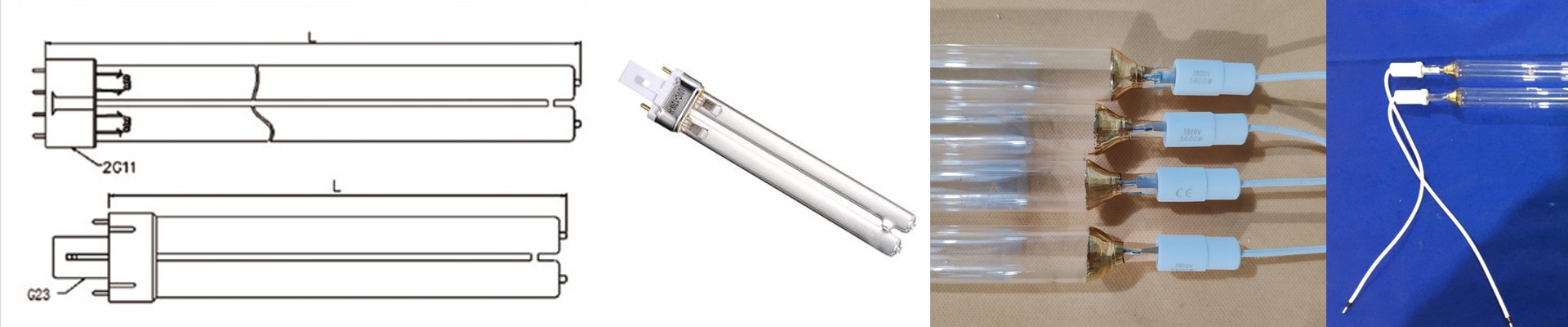
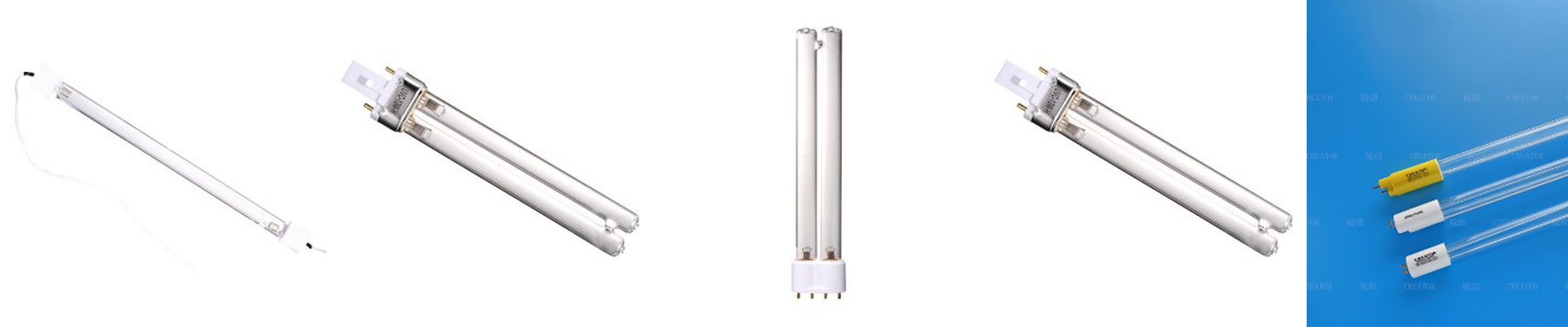
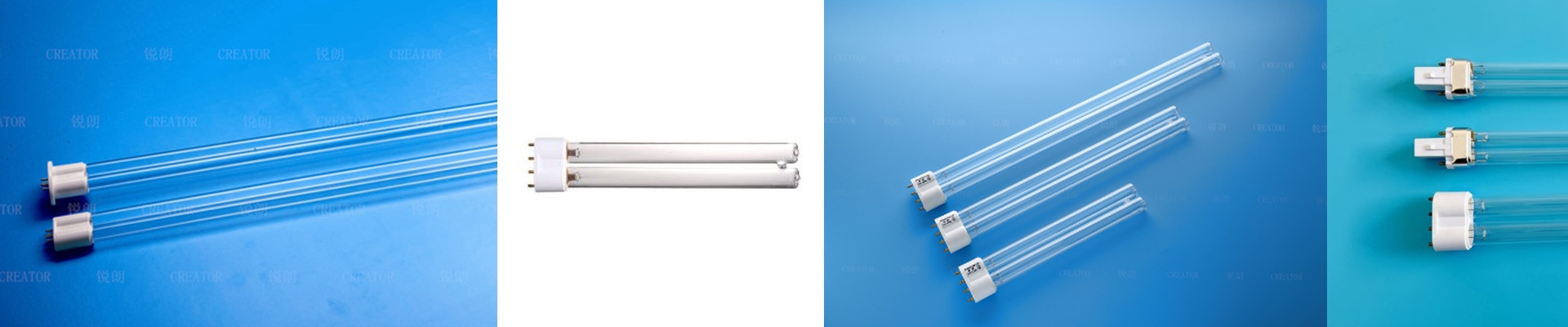
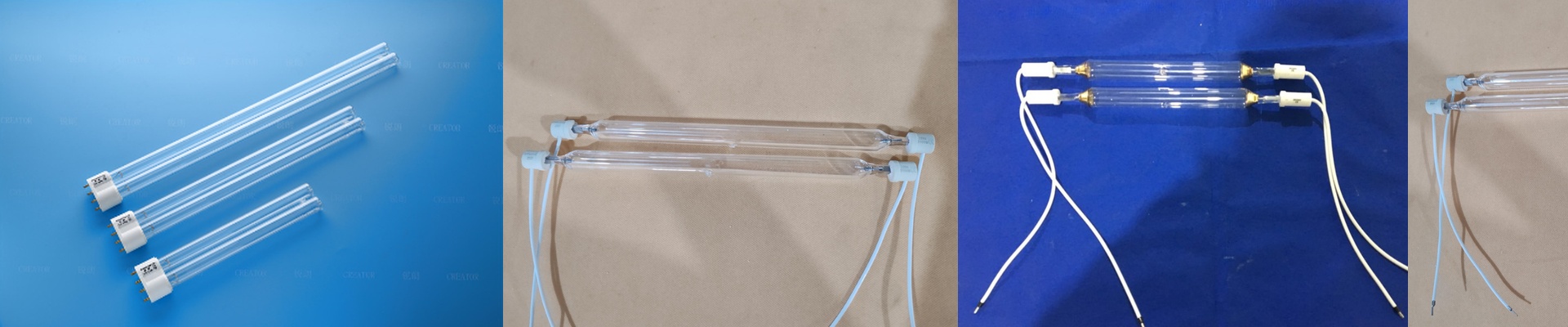
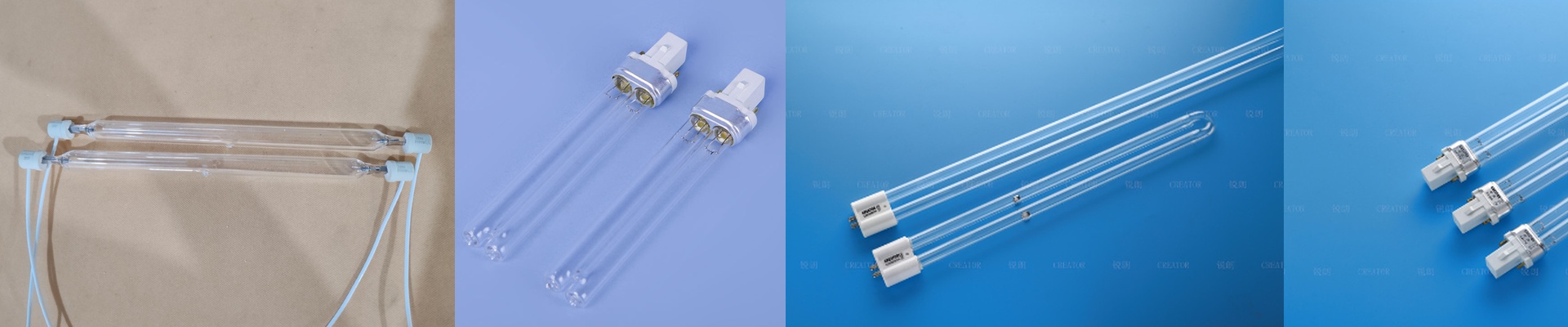
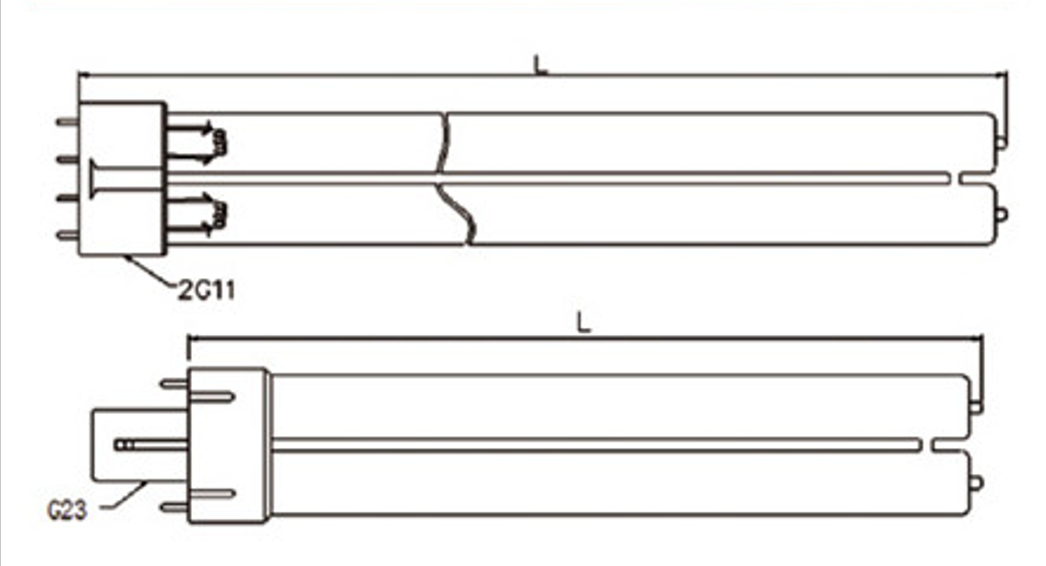
Here’s the thing: a UV lamp is a whole system, not a single part. Every piece has to work together so you get a steady, high-power punch. That’s why we run these lamps at 400V. It’s what the high-density quartz tube needs to strike the arc and keep it stable. No weak flicker. Just consistent, hardworking output. We rate the lamp at 2500W because that’s what it takes to deliver serious UVC intensity. The goal is fast microbial inactivation across your target area—without dragging out the process. And the 300mm length? It’s a deliberate choice. Enough irradiation area to cover your work zone, but compact enough to fit without fighting your machine for space. You get intensity where you need it, without over-engineering the footprint.
The Materials That Matter: Quartz, Coating, and a Solid Connection
We use fused quartz for the tube. Why? Because it can handle rapid on/off cycling without cracking under thermal stress, and it transmits UV far better than standard glass. Inside, the coating is tuned to push out UVC at 254nm—the wavelength that breaks microbial DNA apart. That means the energy goes where it matters, not into wasted heat. Then we pair the tube with an R7s connector. It’s industrial-grade, proven in real-world use. It locks the lamp in place, handles high current, and holds steady even when the factory floor is vibrating. Installation is clean, and it stays reliable.
What It Feels Like on the Floor
This setup was built for engineers who need sterilization they can count on, day after day. Because it runs at 400V, it draws less current for the same output compared to lower-voltage systems. That means simpler wiring and less strain on your control panels. And the 2500W power density? It makes exposure times fast, so your line can keep moving. But let’s be honest—high power creates heat. So your cooling system needs to be matched to the lamp. When it is, the lamp stays stable, the intensity stays consistent, and the service life stays long. We design these to be the kind of lamp you install and then stop worrying about. They’re built to live in the same conditions you deal with every day. **The honest truth:**a 400V, 2500W tube is intense. But it only performs the way it should if your machine’s cooling is spec’d for the heat. Match the lamp to the cooling, and you’re good. Miss that step, and you won’t get the output you paid for.