Introduction
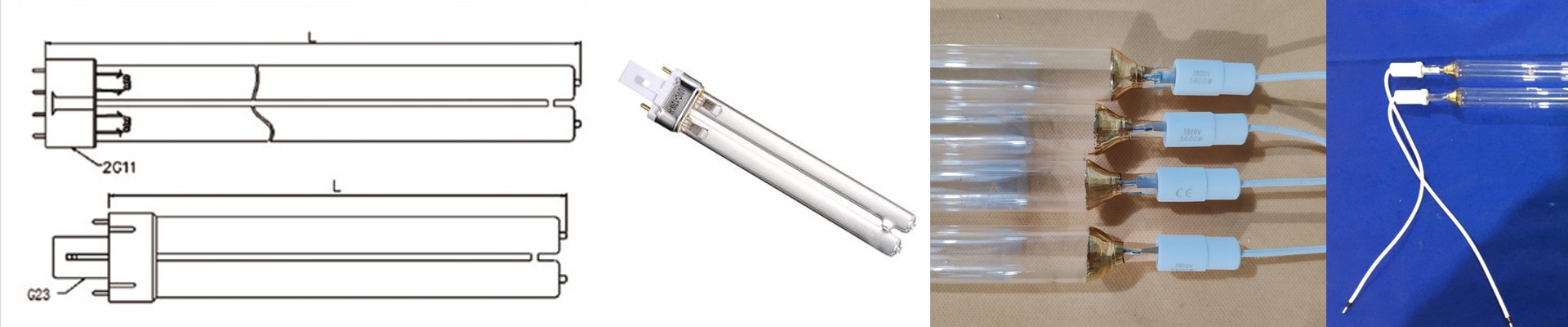
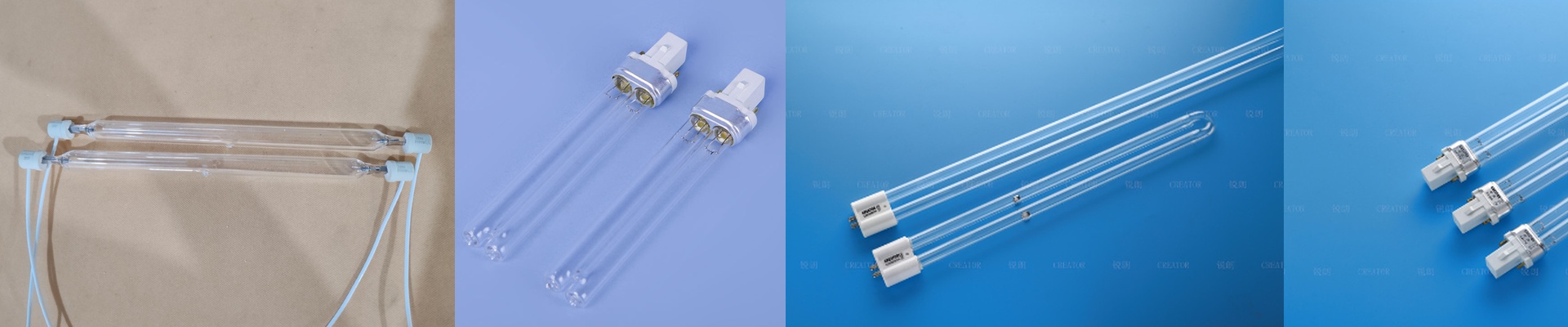
We built the 2026 UV high-pressure mercury lamp for engineers who won’t put up with drift. Our whole focus was simple: keep the spectrum under tight control—down to 0.5% spectral energy concentration. That number isn’t some marketing trick. It’s a real, measurable tolerance that keeps your curing repeatable, your heating stable, and your process window consistent—shift after shift.
The Inside Story
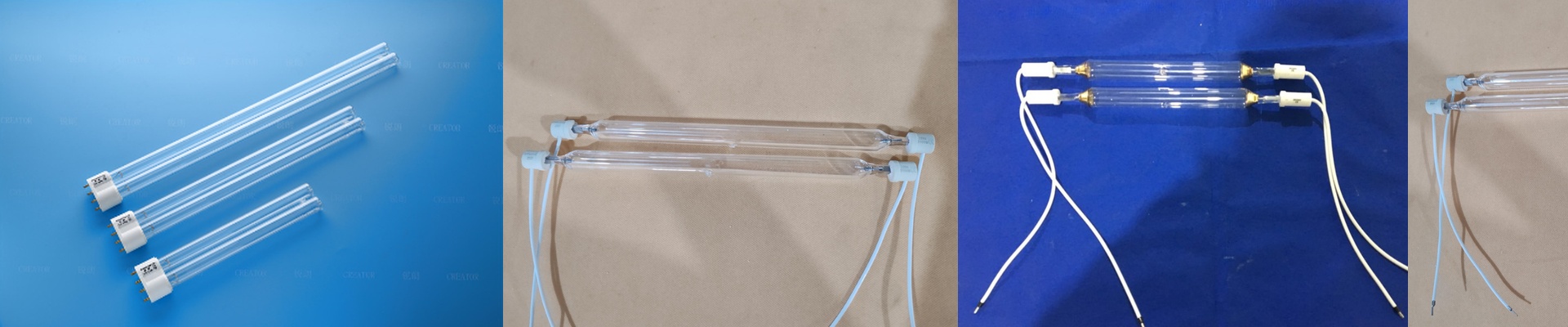
Hitting that 0.5% starts at the heart of the lamp: how electrical energy becomes light. High-pressure mercury vapor runs at high arc temperatures, which gives you a dense spectrum with serious UV output. We run the lamp at high voltage to keep the arc impedance steady, so it doesn’t chase current when the line voltage wiggles. That stability is what keeps the spectrum from drifting on you. Then there’s power density—engineered into the shape of the envelope. We carefully chose the tube length and the internal arc path so the radiant output lands in a tight, repeatable footprint. Too long an arc, and you lose focus. Too short, and you get hot spots. We dialed the dimensions so you get a uniform intensity band that plays nicely with real reflector optics and real-world process tolerances.
Materials and Build
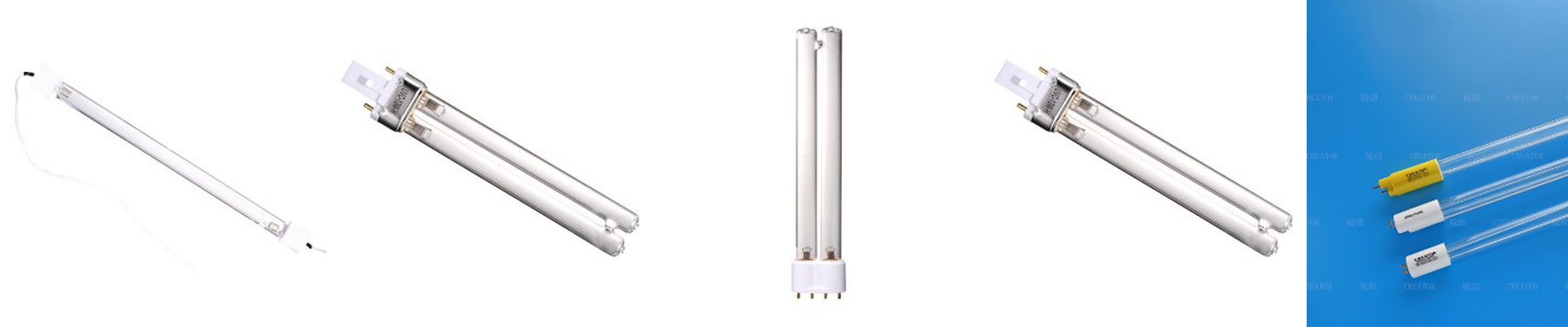
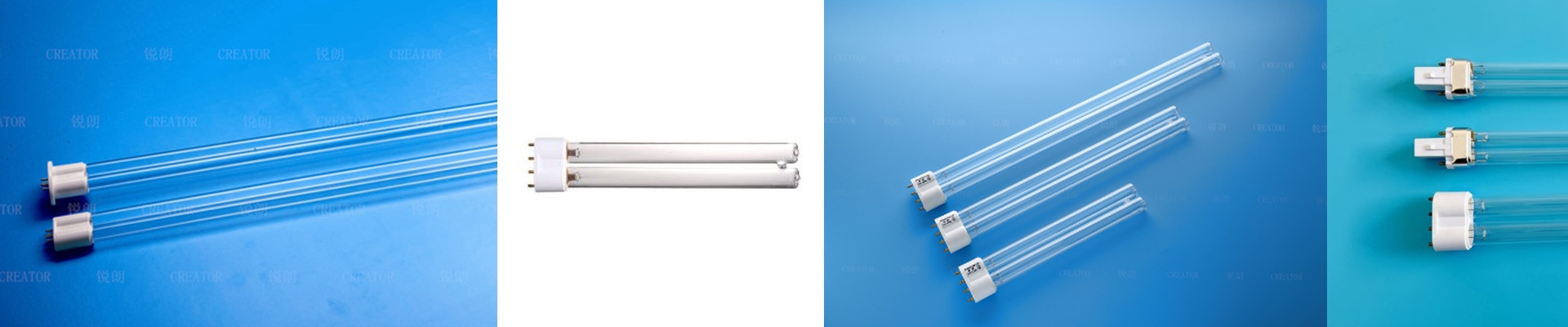
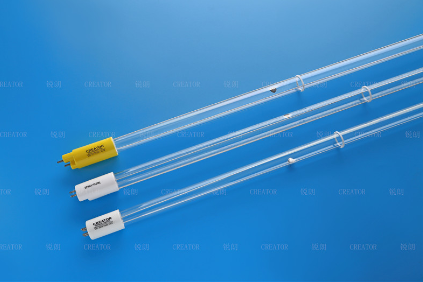
The envelope is quartz, because it lets UV through and handles thermal shock without drama. Inside, we control the mercury vapor pressure and dosing to keep the plasma steady. And we built in the halogen cycle to manage tungsten transport—so the lamp stays clearer, and output holds up over time. The R7s connector isn’t an afterthought, either. It’s a rigid, two-contact design that carries high current without turning into a heater. It also makes the lamp a straightforward drop-in replacement in fixtures built for linear high-intensity UV sources.
Where It Shines
This setup is made for real industrial work: UV curing of coatings and adhesives, exposure and imaging setups, and processes that need intense, repeatable UV energy. Because the spectral energy concentration is so tight, you set your parameters once and you can run for months without constant retuning. Now, there is one trade-off: high power density means you need real cooling. The lamp runs hot, so your fixture has to be designed to move heat—airflow, heat sinking, and thermal isolation. When you plan for that, the lamp gives you stable output that keeps your process under control.