Getting the Wavelength Right: The Realities of UV Engineering
If you’re building a machine where a 10nm drift in spectral output is a dealbreaker, you know exactly how stressful that is. We get it. In our lab, we spend our time obsessing over the physics of the arc and the chemistry of the quartz. We aren’t just talking about “lighting things up.” We’re talking about hitting the exact sweet spot—the precise absorption peak—of a specific pathogen or catalyst. If you miss that mark, the whole process fails.
The trick to spectral tuning
Here is how we actually do it: we play with the gas mixture and the internal pressure inside the tube. For UV-C work, it’s all about the mercury vapor density. Get the pressure wrong, and you start seeing these unwanted peaks in the spectrum. That’s just wasted energy. Worse, it can actually damage the material you’re trying to cure. And then there’s the glass. We use high-purity synthetic quartz because cheap glass is a sponge—it eats your output before the light even leaves the lamp.
Fitting it into your machine
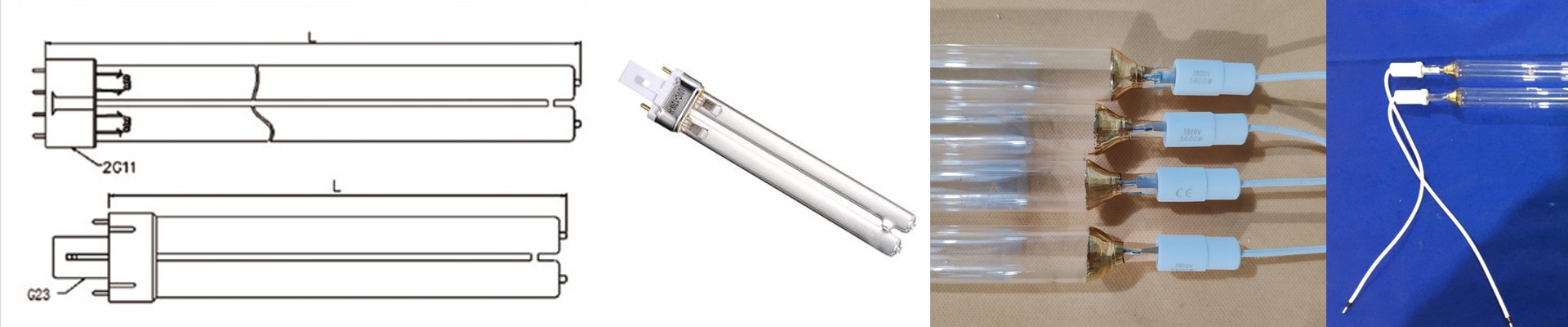
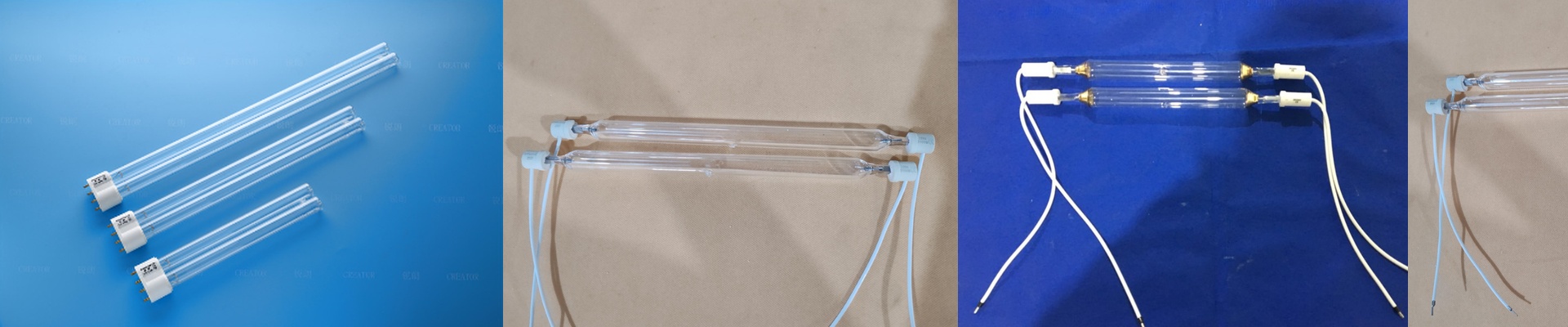
Fitting a UV source into a tight footprint is always a puzzle. We make sure the electrical loads match your power supply perfectly, whether you’re running a high-frequency electronic ballast or an old-school magnetic transformer. We even handle the custom lead wires and connectors so you can just drop the lamp in and get to work. But you’ve got to watch the heat. High-intensity lamps throw off a ton of infrared radiation. If your housing doesn’t have enough airflow to move that heat away, the lamp is going to burn out early. Plus, as the tube overheats, your spectral output starts to shift. It’s a mess.
The trade-offs
Here’s the honest truth: if you push for maximum irradiance, your lamp won’t last as long. Sure, we can crank up the wattage to speed up your cure rate. But that means your team will be swapping out tubes way more often. We’ll sit down with you to find that middle ground between fast throughput and reasonable maintenance. We’ll give you the raw data—the spectral curves and irradiance maps—so you can build your cooling and safety shielding with confidence.