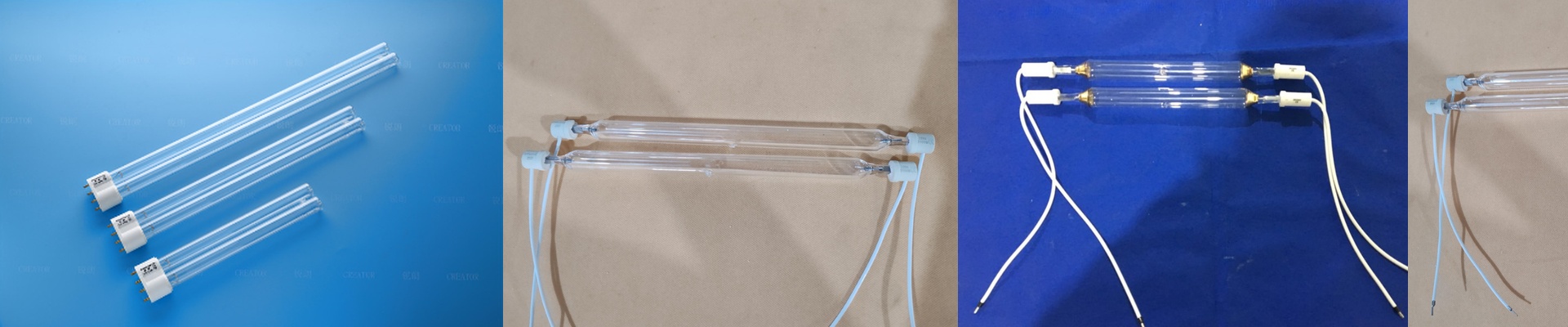
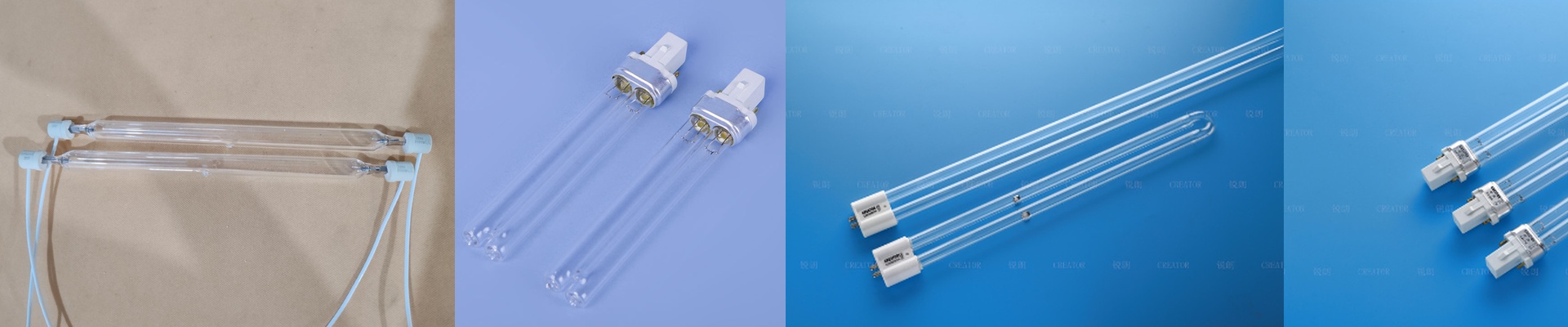
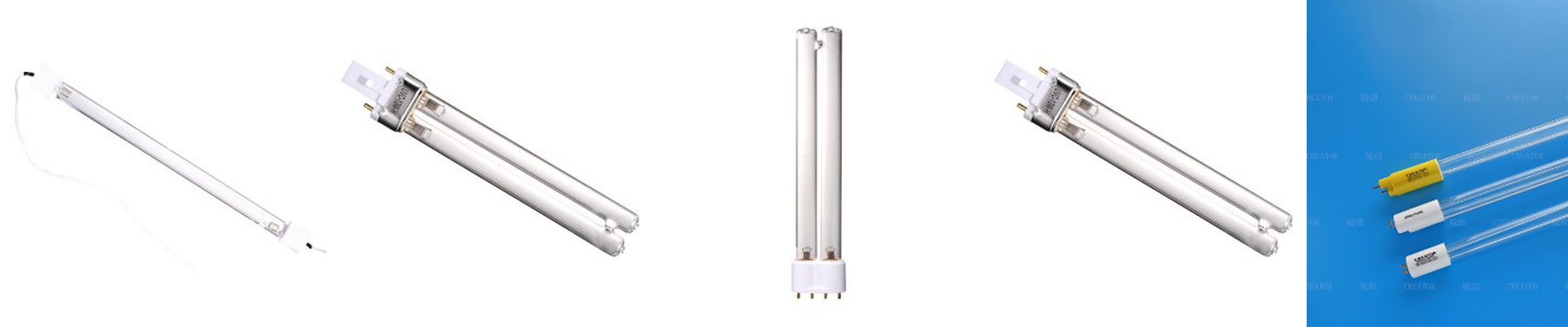
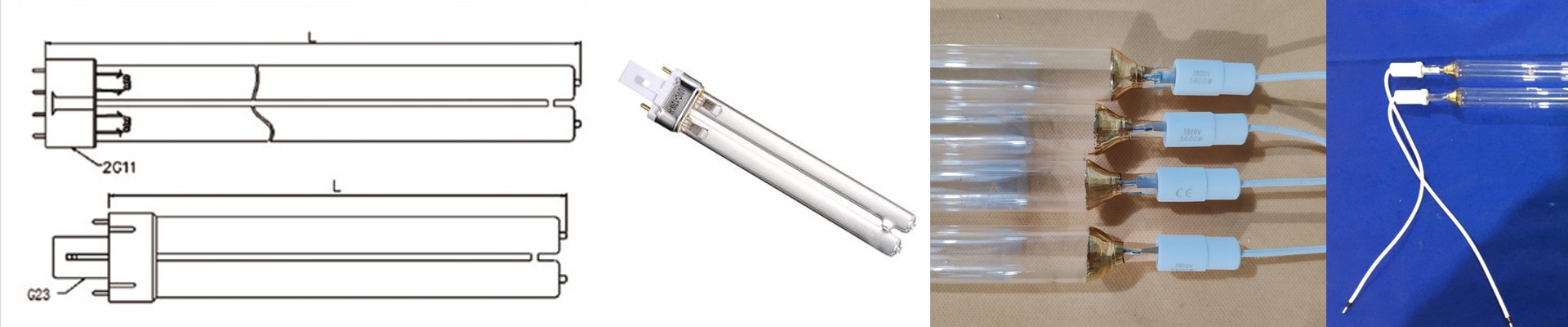
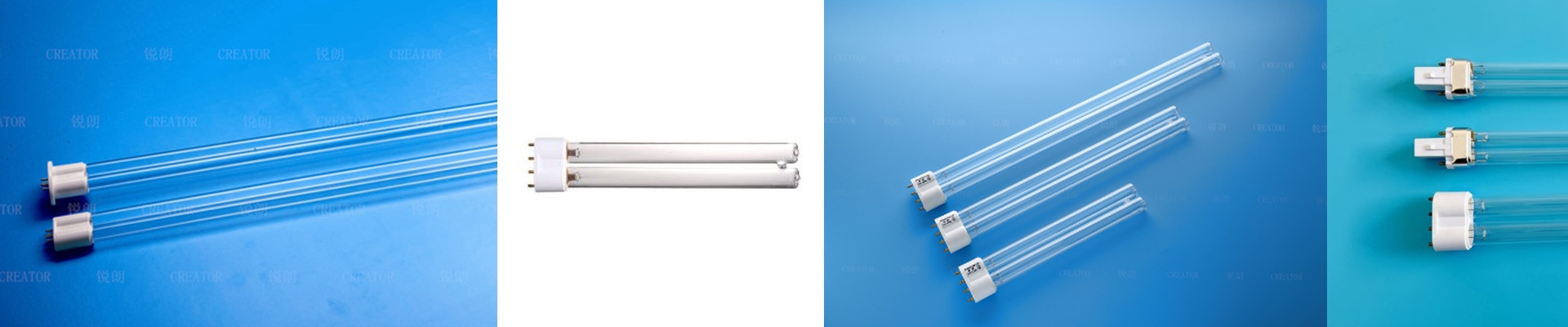
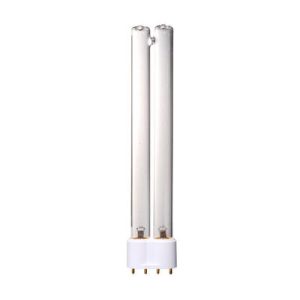
Let’s Talk Gallium Iodide Lamps for PCB Work
If you’re running a PCB line, you know that getting your photoresist exposure right is where the real battle is won or lost. That’s where Gallium Iodide (GaI) lamps come in. These things are powerhouses, pumping out high-intensity UV light right in that 300nm to 350nm sweet spot. The magic here is in the metal halide discharge. It creates a tight, narrow peak of light that punches straight through the resist layer. The best part? It doesn’t cook your substrate, so you don’t have to worry about thermal expansion messing up your alignment.
Getting the Light Right
Precision is everything. We build these tubes to keep the output steady from end to end. Why? Because “dark spots” are a nightmare. If your UV intensity dips even a little, you get under-exposed resist. Then, when you hit the etching stage, the whole thing fails. It’s frustrating, expensive, and a total waste of time. We use high-purity quartz glass for the envelopes. Cheap glass absorbs the UV rays, which does two things: it kills your output and makes the tube run way too hot. Stick with the good stuff.
The Heat Factor
Here is the thing: these aren’t your average light bulbs. You can’t just plug them in and walk away. You’ll need dedicated ballasts to handle the strike voltage and keep the arc stable. And then there’s the heat. Because all that energy is packed into such a tight UV band, these lamps gethot. Really hot. You’ve got to be aggressive with your cooling. Whether you’re using fans or water-jackets, make sure they can actually handle the load. If the lamp overheats, the quartz can stress and crack, or the light spectrum will just drift. Neither is a good day at the office.
The Trade-offs
If you’re working with thick-film resists, GaI lamps usually penetrate way better than the old mercury vapor options. But there’s a catch. They don’t last as long. These tubes burn out faster, so don’t wing it—set up a strict replacement schedule so your production line doesn’t just grind to a halt. One last tip: check your connectors. Make sure they’re rated for the heat, otherwise, you’ll find yourself staring at melted terminals.