Getting UV Curing Right (Without the Headaches)
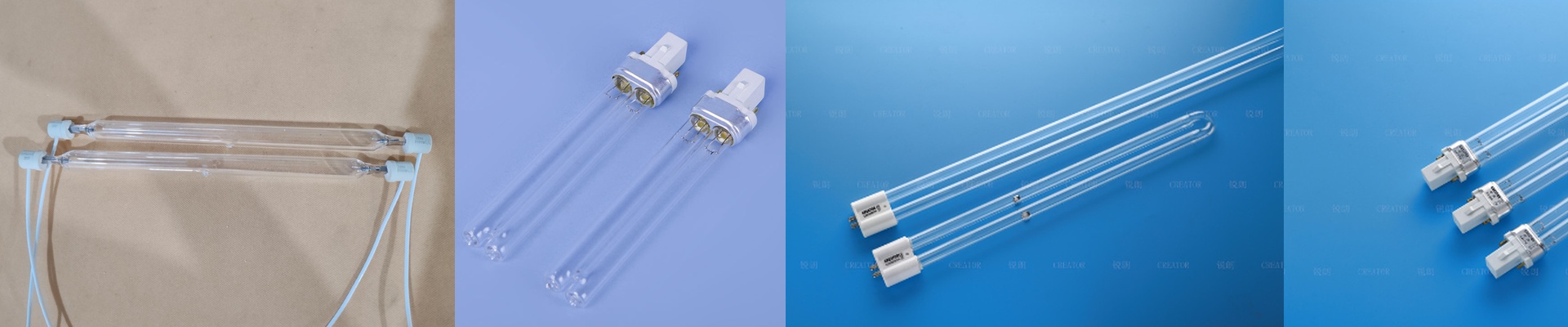
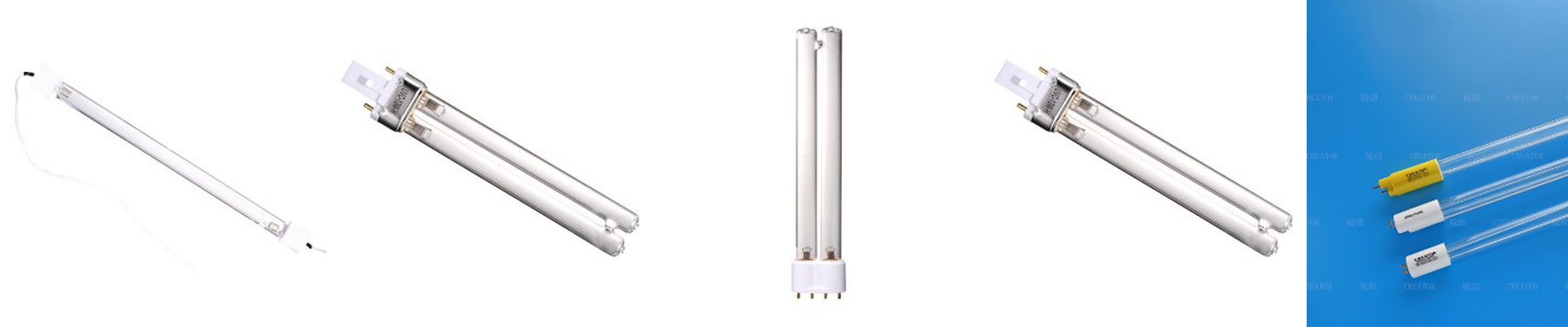
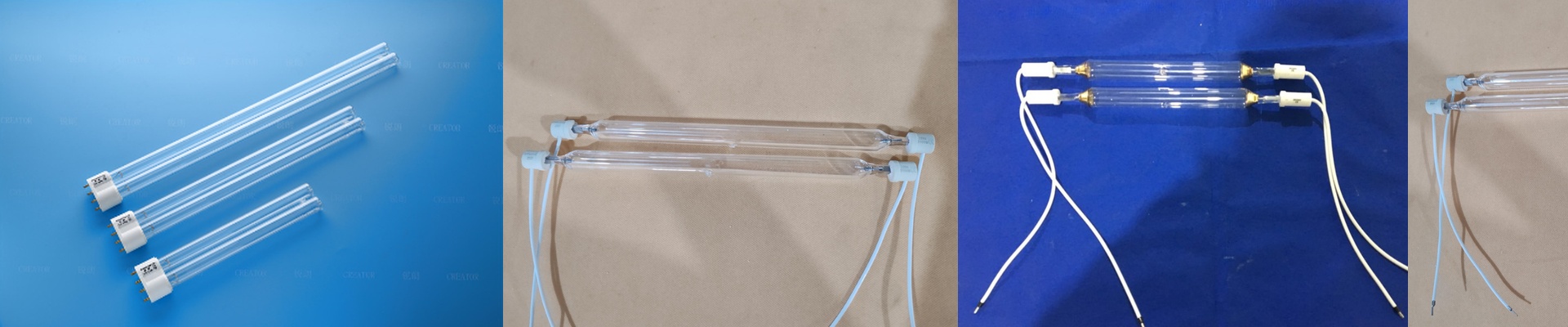
We built our modular UV curing lamps because we were tired of seeing the same annoying problem on the shop floor: parts coming off the conveyor with uneven cure depths. Most of the systems you buy off the shelf have this “energy drift” issue. Basically, the light isn’t consistent from one end of the lamp to the other. We spent months messing around with electrode shapes and gas mixes until we hit a 0.5% spectral energy concentration. In plain English? The UV intensity is dead flat. From the first millimeter to the last, you get the exact same punch.
The nitty-gritty of the physics
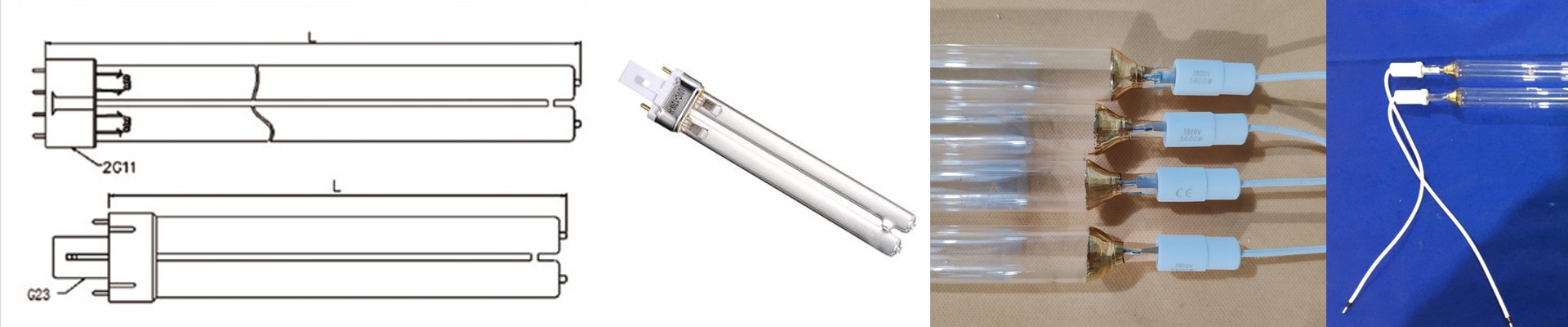
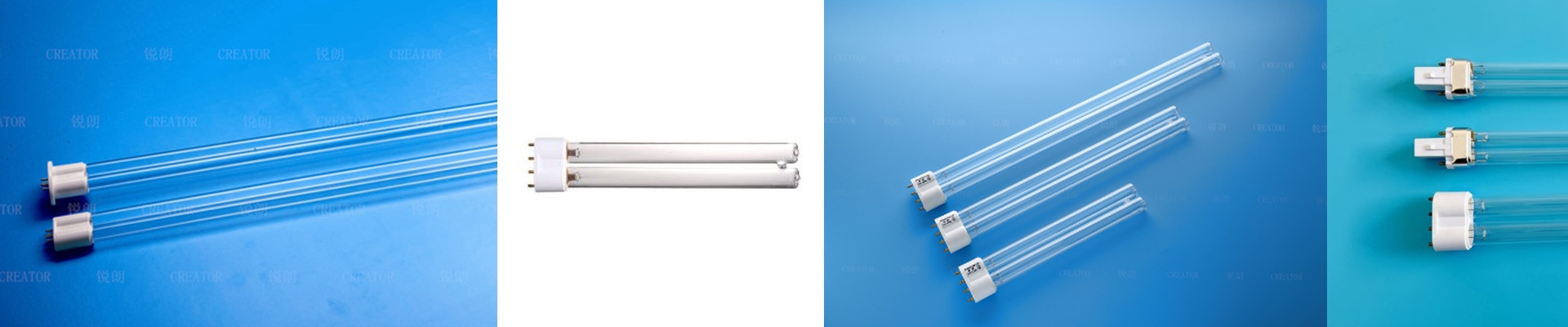
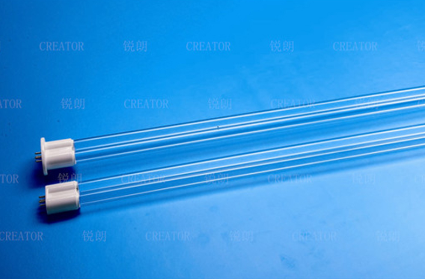
Hitting that 0.5% mark wasn’t easy. We had to completely rethink the housing. We went with high-purity fused quartz tubes. Why? Because they can handle the heat cycling without warping. If a tube bows even a tiny bit, your focal point shifts. That’s how you end up with “cold spots” on your parts, which is a nightmare for quality control. We tightened the tolerances on the supports so the tube stays exactly where it belongs. Then there’s the power. We paired the lamps with precision-tuned ballasts to kill the ripple current. Think of it like a flicker. Any tiny jump in power means a dip in photons. By smoothing out that arc discharge, we keep the energy locked in.
Mixing and matching (and the trade-offs)
The best part about the modular setup is that you can grow. If you speed up your line and need more mW/cm², you don’t have to rip out your wiring and start over. You just snap in more lamp modules. Simple. But here’s the catch. When you push for this kind of precision, you generate a lot of heat. The reflector assembly takes a hit. Because of that, you can’t just shove these lamps into a sealed box and hope for the best. You need fans. Real ones. You’ve got to move air across those reflectors, or the heat will soak back into the tube and shift your spectral peak. If your airflow is weak, you’ll feel it—the energy concentration will start to drift as the lamp warms up.