Getting Your UV Curing Right for Textile Printing
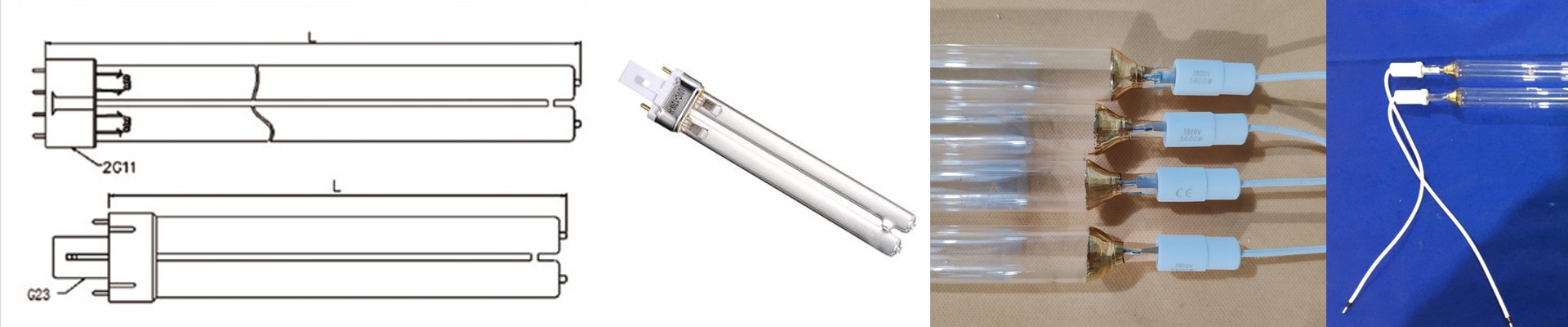
When you’re printing on fabric, a UV lamp isn’t just some light bulb. It’s the secret sauce that actually makes the ink stick. We build our custom systems to make sure that ink bonds to the fibers the second it hits the fabric. No smudging, no rubbing off—just crisp, solid color that stays put.
The Balance of Power and Light
Here’s the thing: you can’t just throw a random lamp at a project and hope it works. It all comes down to the ink you’re using. If you’re working with heavy fabrics and thick, pigment-heavy inks, you need more “punch” to get the light deep into the material. We tweak the tube length and power density so the light hits every inch of the fabric evenly. There’s nothing worse than “zebra striping”—those annoying streaks where some parts of the print are cured and others aren’t. It’s a nightmare to fix, so we make sure it doesn’t happen in the first place.
Quartz and the Heat Problem
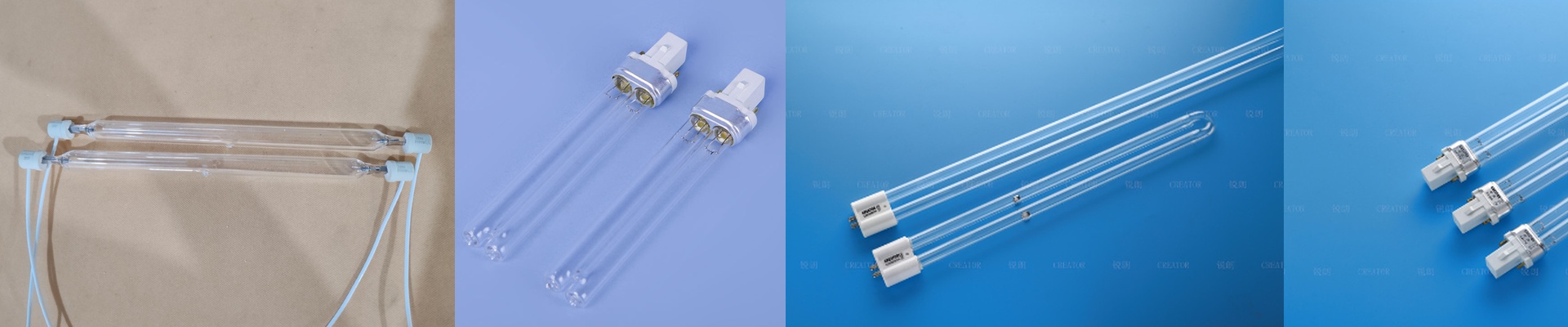
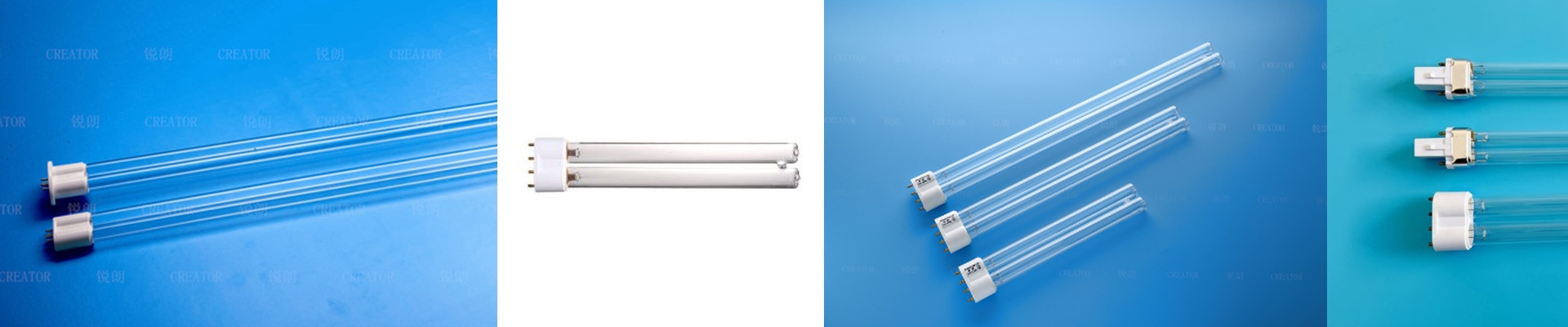
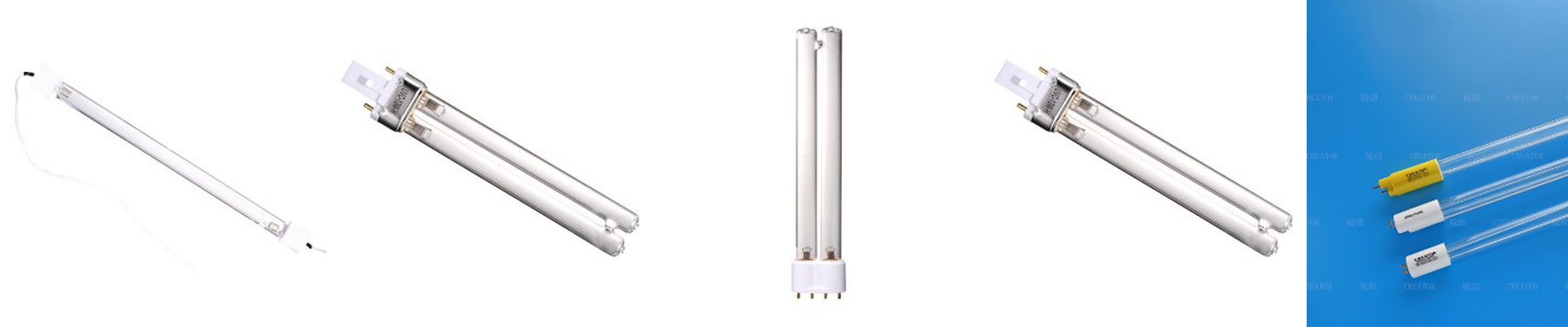
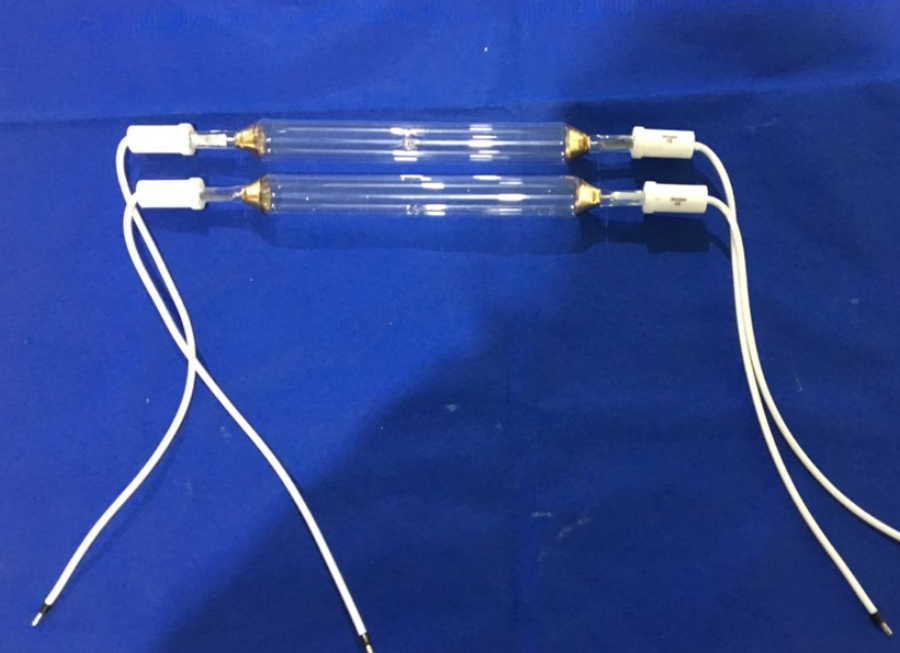
We use high-purity fused quartz for the tubes. Why? Because regular glass blocks UV rays. Quartz lets them fly right through. Depending on what you’re printing, we can even add special coatings to the glass to shift the light spectrum or keep ink splatters from ruining your output. But we have to talk about the heat. High-wattage lamps get hot. Really hot. If your conveyor belt slows down too much, you’re not curing the ink—you’re scorching the fabric. To stop that from happening, we usually pair our lamps with forced-air cooling or water-cooled jackets. It keeps the fabric safe and prevents anything from melting.
Making Your Life Easier
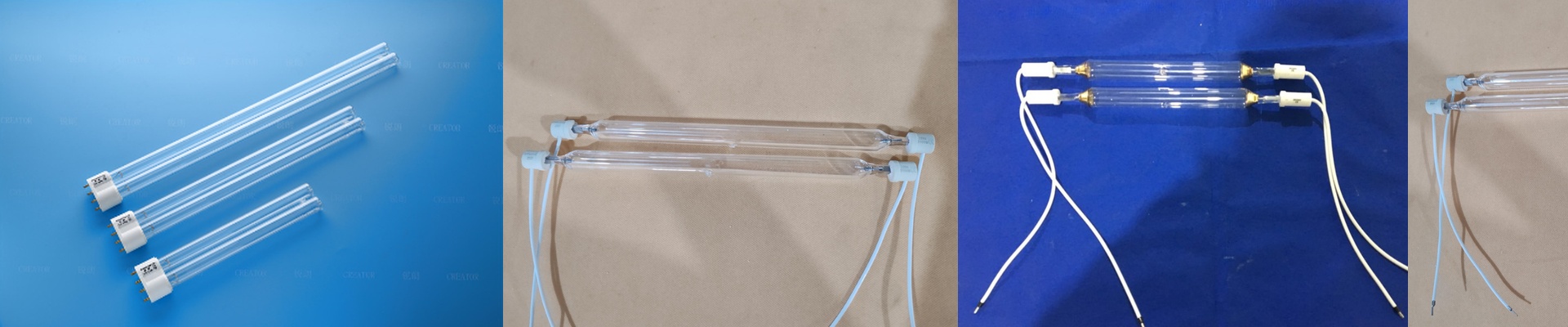
We build these things so you can swap them out without a headache. Whether you need a specific pin-base or a weird length, our lamps are designed to be drop-in replacements. Nobody wants to spend their shift rewiring a whole production line just to change a bulb. One heads-up, though: if you run your lamps at absolute max power all the time, they’ll burn out faster. It’s a trade-off. To keep things consistent, we usually suggest a staggered replacement schedule. That way, your light levels stay steady across the whole line, and you aren’t replacing every single lamp on the same Tuesday.