Stop Just Replacing Tubes—Start Engineering Your Light
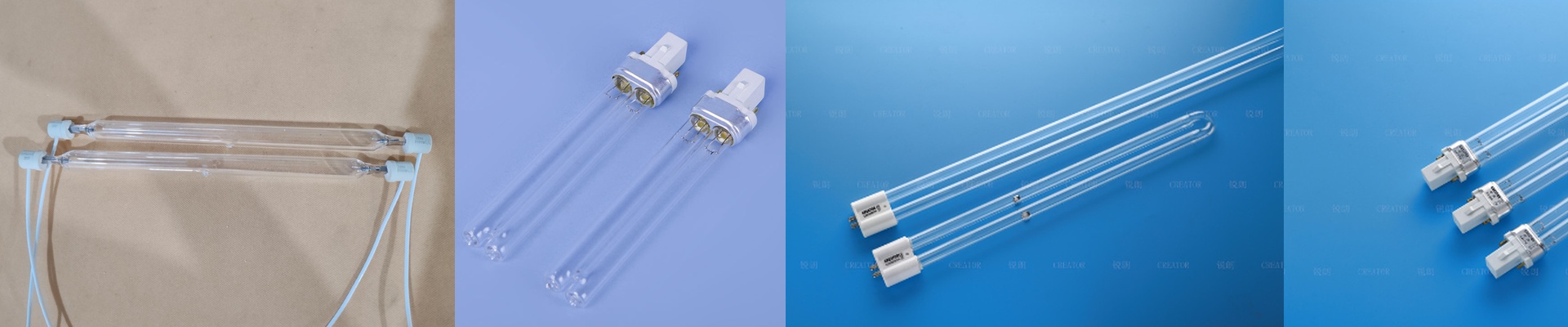
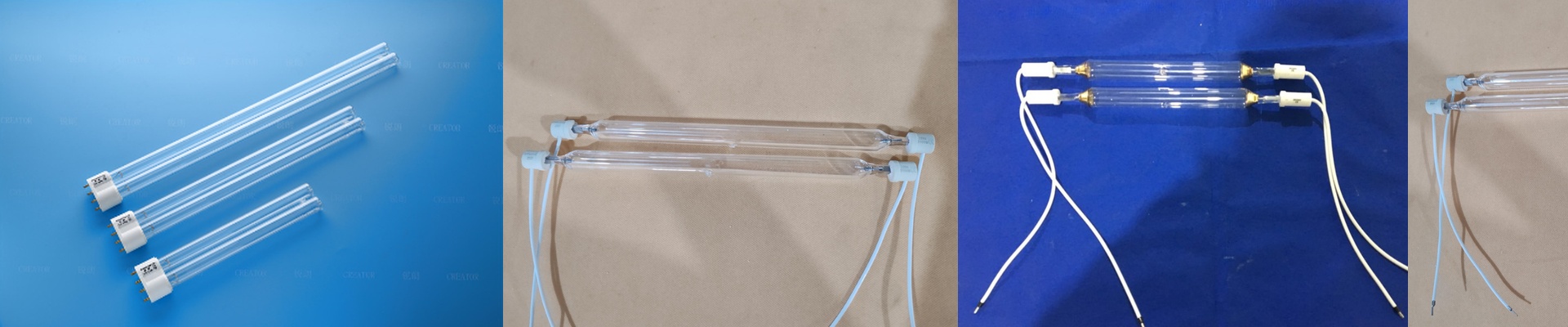
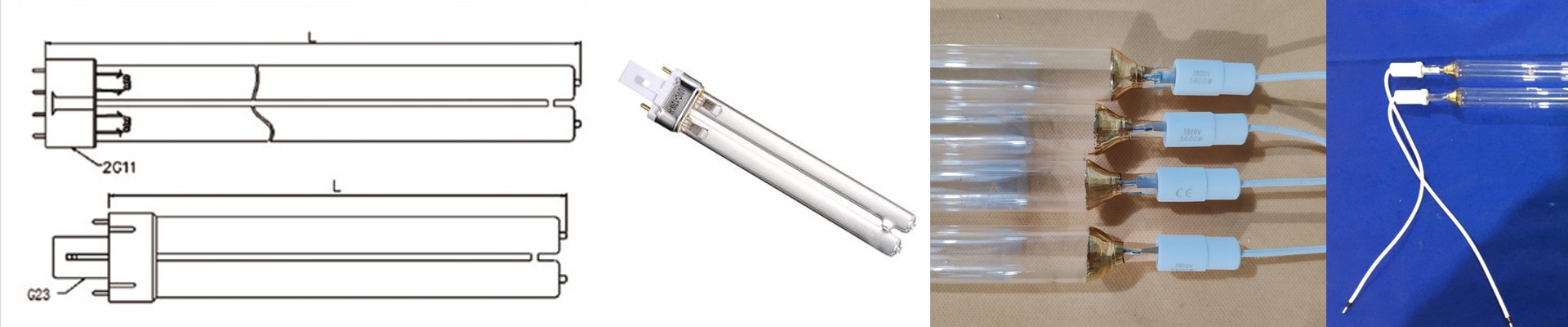
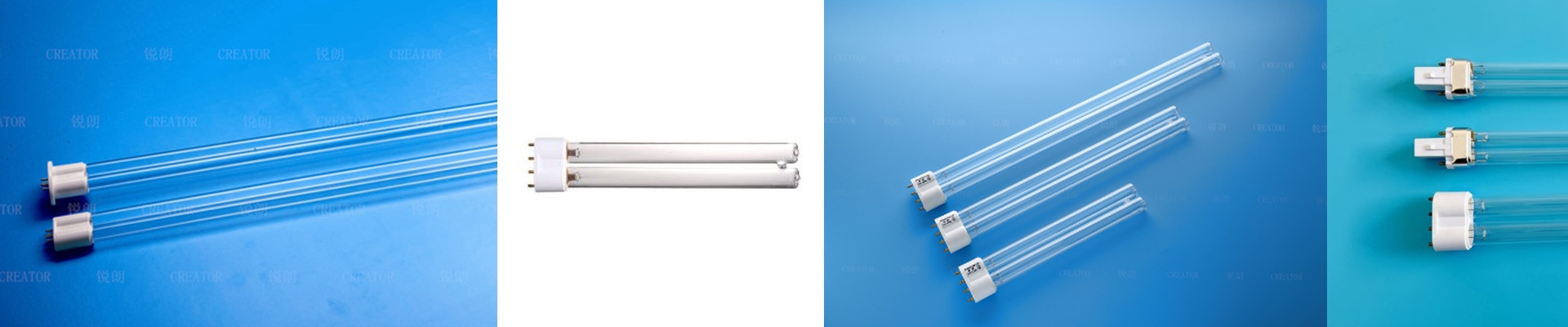
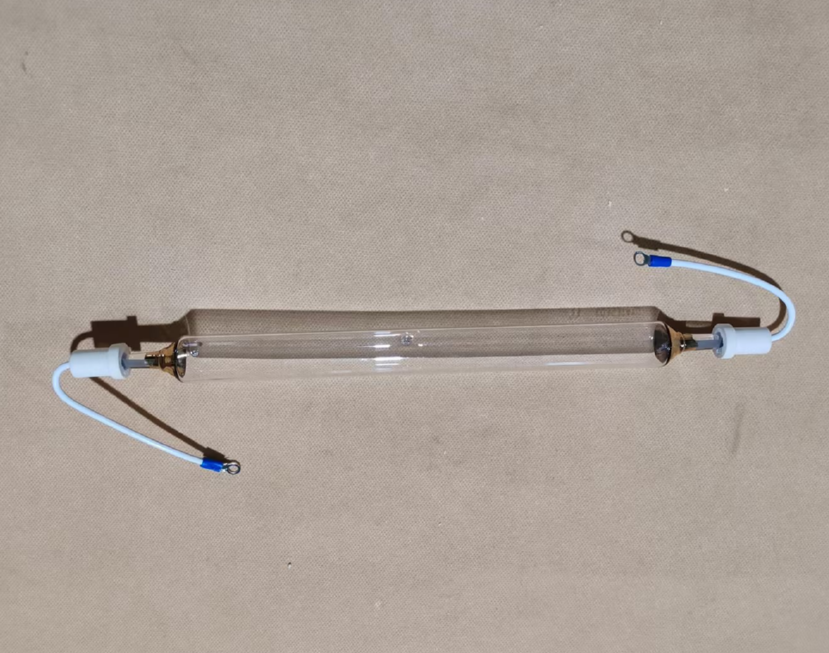
Look, we don’t just ship out replacement tubes and call it a day. That’s not how this works. We actually dig into the chemistry of your inks and the quirks of your printing press to build a light source that actually fits. Because there’s a massive difference between ink that feels dry on the surface and a cure that goes all the way through. One is a finished product; the other is a headache waiting to happen. The battle between power and heat Here’s the thing about UV setups: it’s always a balancing act. You want power, but you don’t want to melt your materials. When we’re spec-ing a lamp for a high-speed line, we look at the irradiance—basically, how much punch the light has. Sure, cranking up the wattage gives you more UV, but it also dumps a ton of infrared heat into the mix. If you’re working with heat-sensitive stuff, that’s a recipe for warping. In those cases, we pivot to high-intensity, short-wave output. It keeps things cool. Just make sure your fans and chillers are up to the task. If they can’t handle the thermal load, you’ll burn through your electrodes way faster than you should. The gear that matters We use high-purity fused quartz. Why? Because standard glass is basically a wall that blocks the exact wavelengths you need to make the ink harden. Depending on where your lamp is sitting, we can add coatings to the envelope. This helps filter out that unwanted heat or keeps ink splatter from ruining the tube. And we’re picky about the end-caps. A loose connection at the base causes arcing. It sounds small, but it’ll kill a lamp in a few weeks. We make sure the fit is tight. Making it actually work on your floor A “drop-in” replacement is usually a trap. We’d rather look at your line speed and the actual gap between the lamp and the substrate. If you’re seeing “orange peel” textures or those annoying uncured spots, it’s usually not the lamp’s fault—it’s the footprint or the way the reflector is shaped. We’ll work with you to tweak the focal point. When the UV energy hits the ink at just the right angle, everything clicks. You waste less material, and you might even find you can run fewer lamps to get the same result.