Why Your UV Lamps Need to Be Custom (And Not Just “Off-the-Shelf”)
Here is the truth about UV curing: one size almost never fits all. Whether you’re bonding adhesives or drying coatings, the whole thing comes down to the wavelength, the irradiance, and how you actually wire the lamp into your line. We build our lamps to match the output of the big Tier-1 brands. Why? Because we’ve all been there. A tiny dip in intensity and suddenly you’ve got tacky surfaces and a pile of rejected parts. It’s a nightmare.
Getting the Power Right
It really comes down to a balancing act between wattage and tube length. We obsess over the power density because if those photons don’t penetrate the coating, you’re in trouble. If the wattage is too low, you get a “skin” on top while the bottom stays wet. But if we crank the power too high without a plan for cooling, the tube just burns out. It’s a tightrope walk. You have to balance that heat load with how fast your conveyor is moving, or you’ll end up scorching your parts.
The Nitty-Gritty Hardware
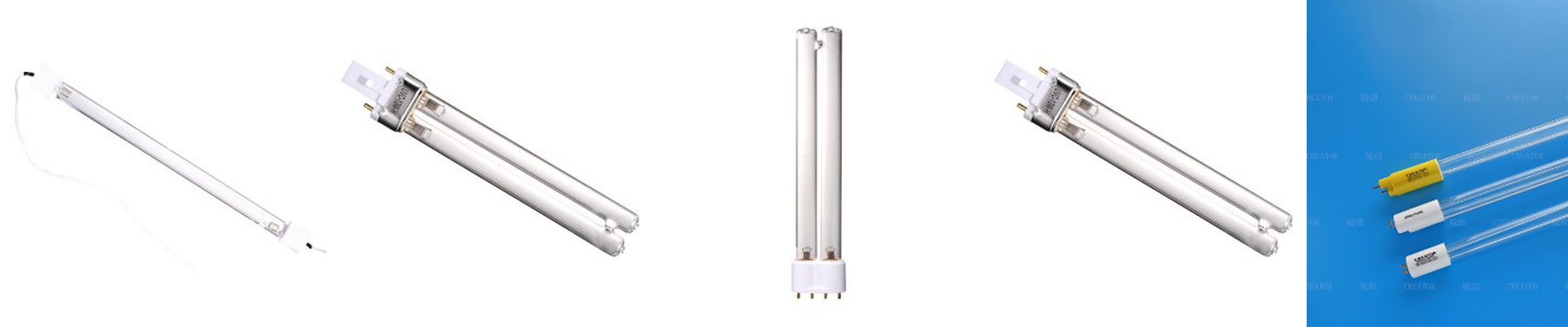
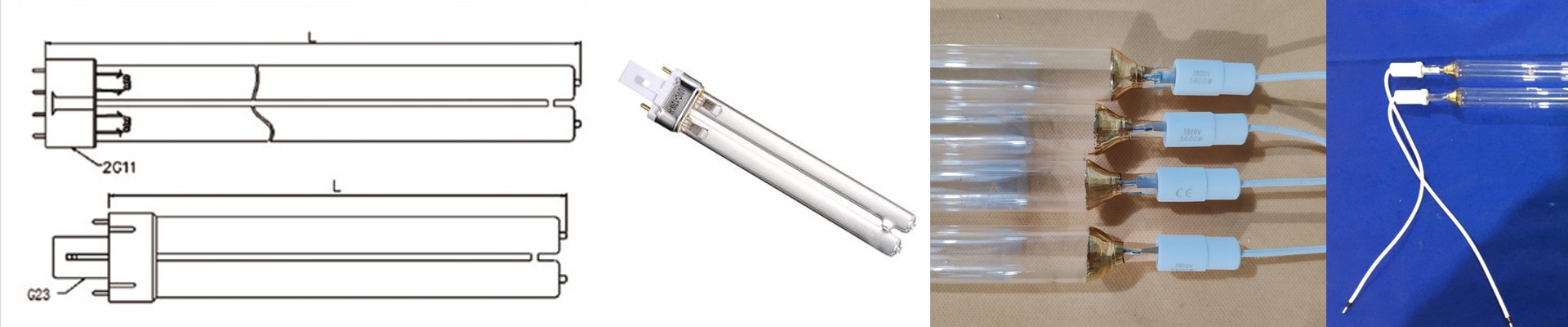
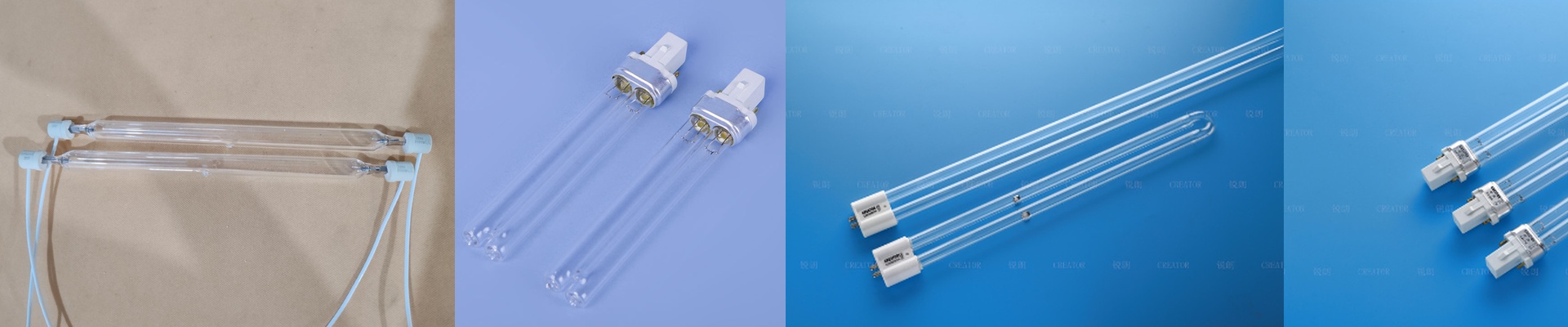
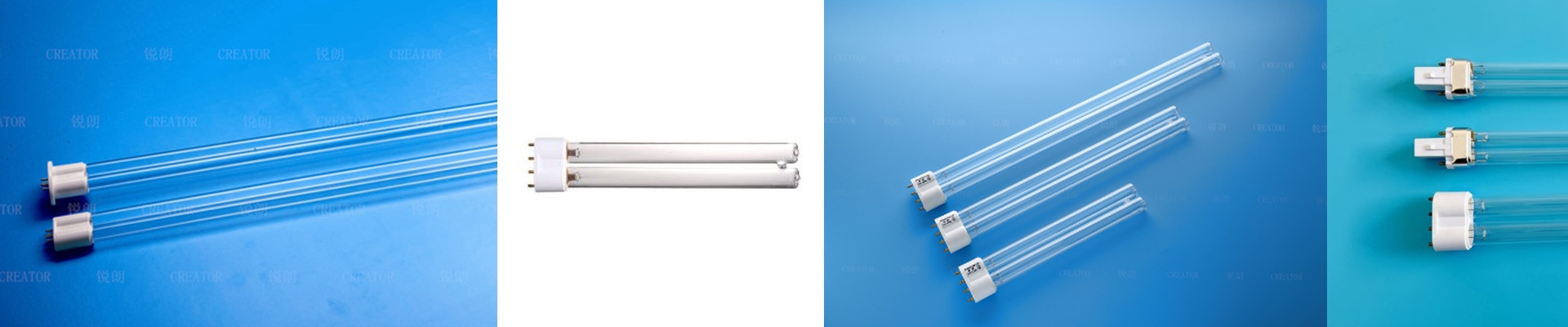
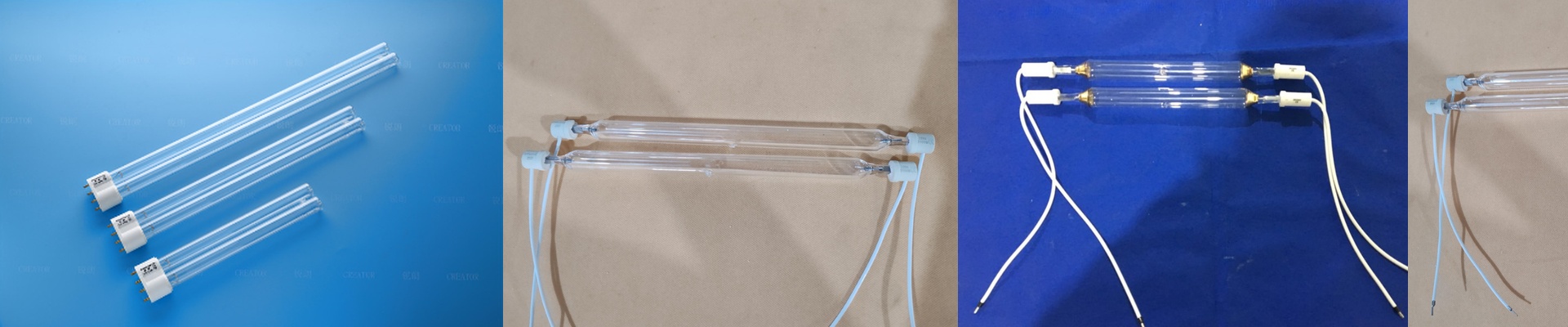
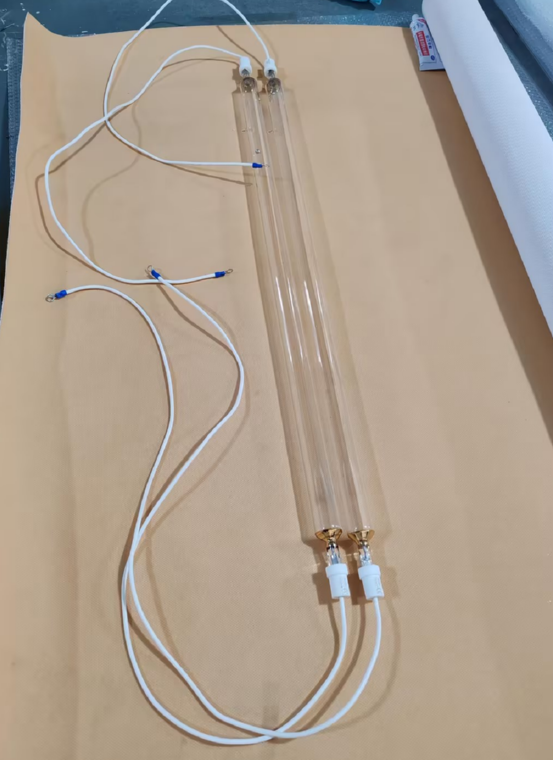
We use high-purity quartz glass. Simple as that. It keeps the UV from getting absorbed by the glass itself. Then there’s the connectors. Whether you want a standard plug or a custom lead, the goal is the same: swapping a lamp should take minutes, not hours. Nobody wants to spend half their shift fighting with a cable. We also focus heavily on electrode stability. There is nothing worse than a flickering lamp leaving weird, uneven streaks across your product.
The Trade-offs
More intensity means you can push your throughput faster. That sounds great, right? But there’s a catch. More UV output equals more heat. If your exhaust system can’t pull that heat away from the workpiece, you’re asking for trouble. Too much heat stresses the quartz and kills the lamp’s lifespan. We’ll give you the exact specs you need. Just make sure your airflow is actually there to handle the load.