Getting Your UV Output Right: More Than Just a Lightbulb
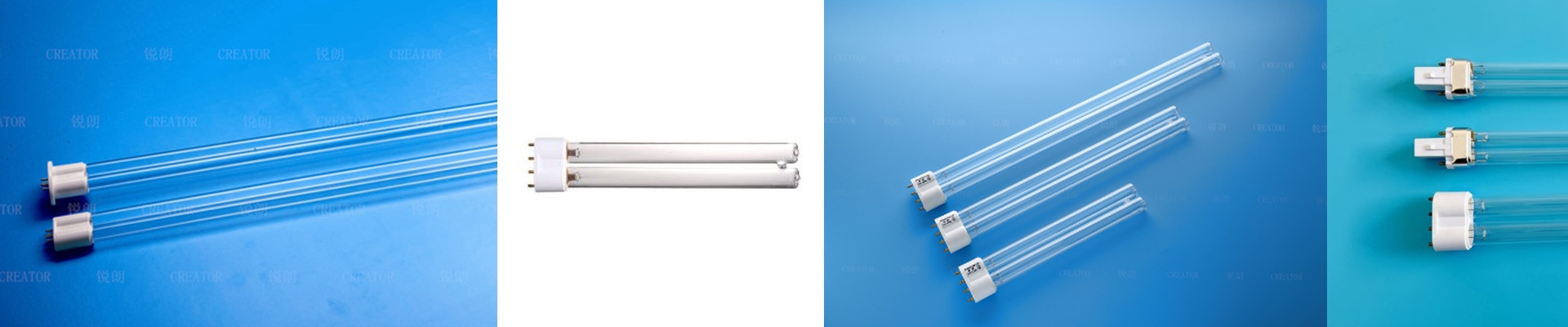
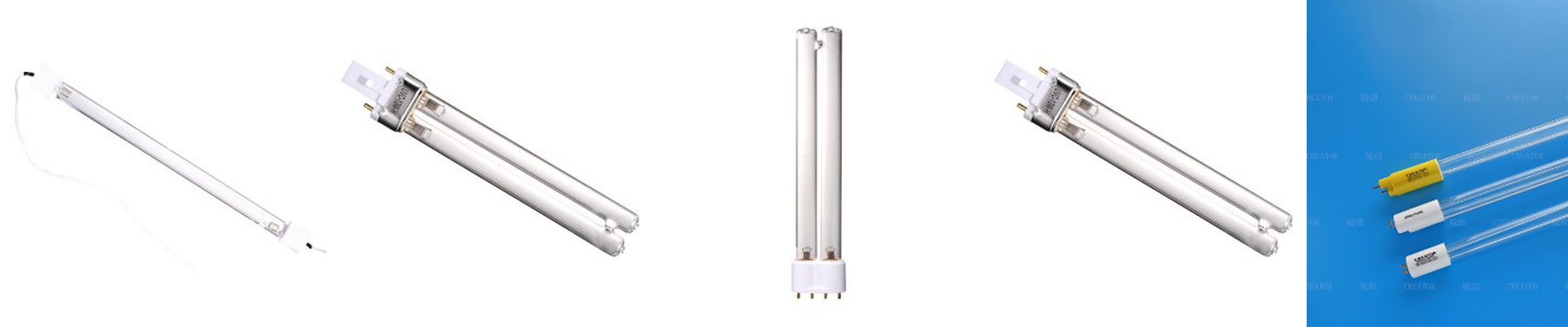
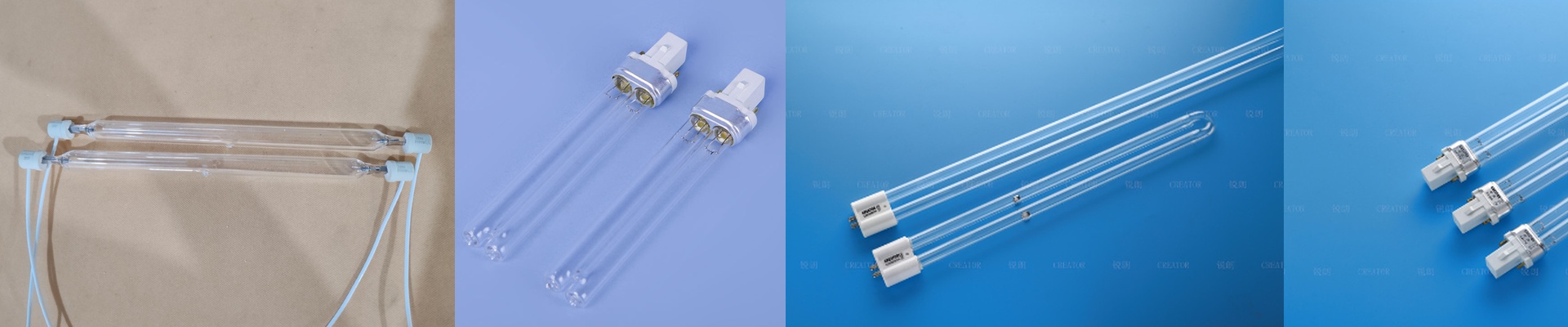
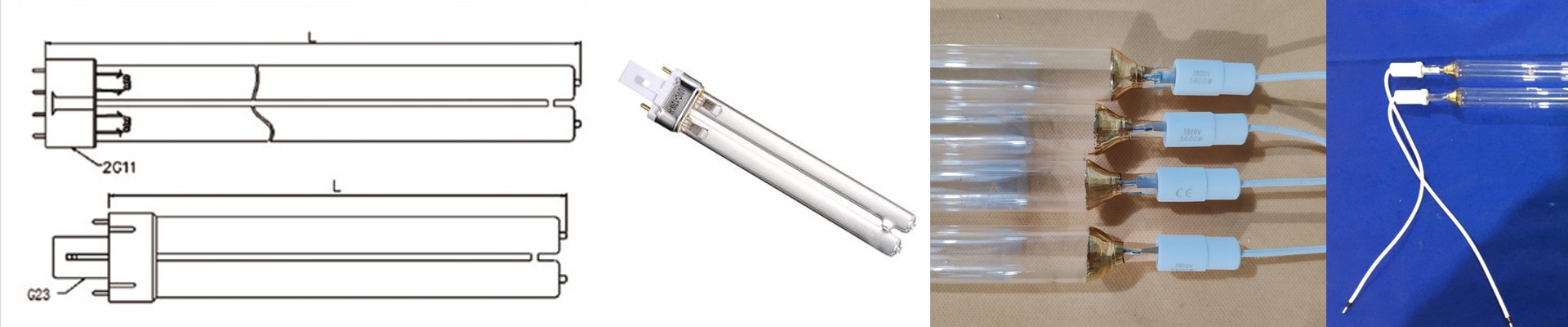
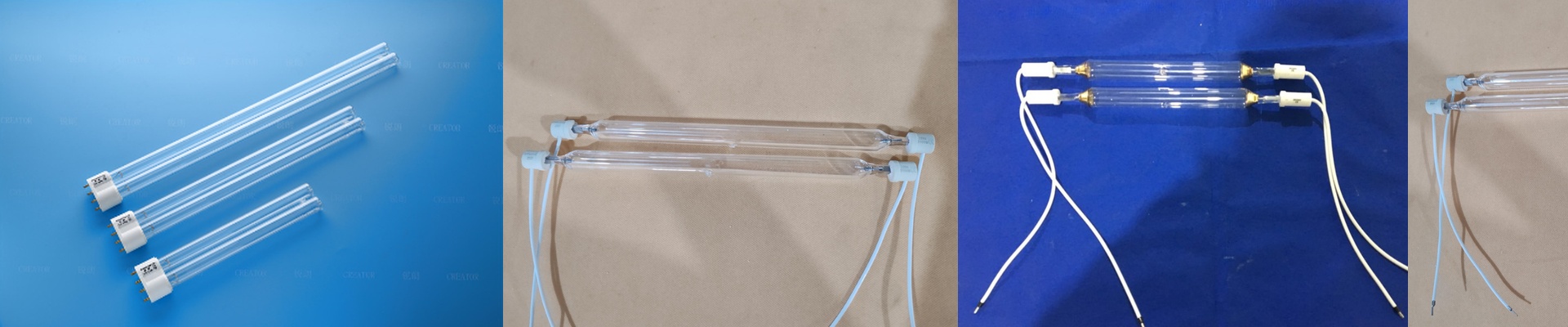
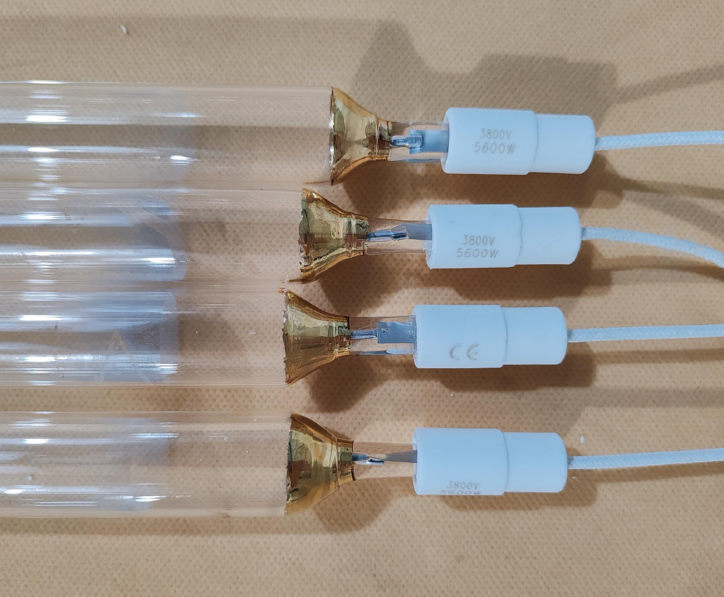
Look, we don’t see mercury UV lamps as just another spare part you swap out when something breaks. To us, they’re the engine of your entire curing line. If you’ve ever dealt with that annoying, tacky finish on a print or a textile piece that just won’t dry, you know exactly what’s at stake. It all comes down to the spectral output and whether your lamp is actually staying stable.
The balancing act of UV intensity
Getting the intensity right is a bit of a tightrope walk between wattage and arc length. If you push too much wattage into a short tube? You’ll likely overheat the quartz and ruin the lamp. But if you go too light, your ink won’t polymerize. You’ll end up with a mess. We spend our time tweaking the voltage and current so the mercury vapor hits the right pressure. That’s how you get those UVC and UVB peaks that actually trigger the photoinitiators in your ink. It’s a science, but it’s one that needs to work in the real world.
Keeping things cool (and clear)
Ever notice some lamps get cloudy over time? That’s called solarization. We use high-purity fused quartz to stop that from happening. It keeps the glass clear so the UV rays actually hit your material instead of getting trapped inside the lamp. But here is the thing: these lamps gethot. Really hot. If your airflow is blocked or your chiller decides to quit, your lamp is going to burn out way faster than it should. It’s a simple trade-off. You want more intensity? You’re going to need more aggressive cooling. No way around it.
Making it all work together
Slapping a lamp into a holder is the easy part. The real headache is the tuning. You have to nail the lamp height and the line speed. If you’re off, you’ll either scorch your substrate or leave the ink wet. We help you figure out that sweet spot based on how fast your conveyor is moving. And a quick tip: check your ballasts. If the impedance doesn’t match the lamp, you’ll get flickering or a drastically shorter lifespan. We’re here to act as your technical sounding board. We want to make sure the hardware you’re using actually plays nice with the chemistry of your ink.