Getting Your UV and IR Lamps Right (Without the Markup)
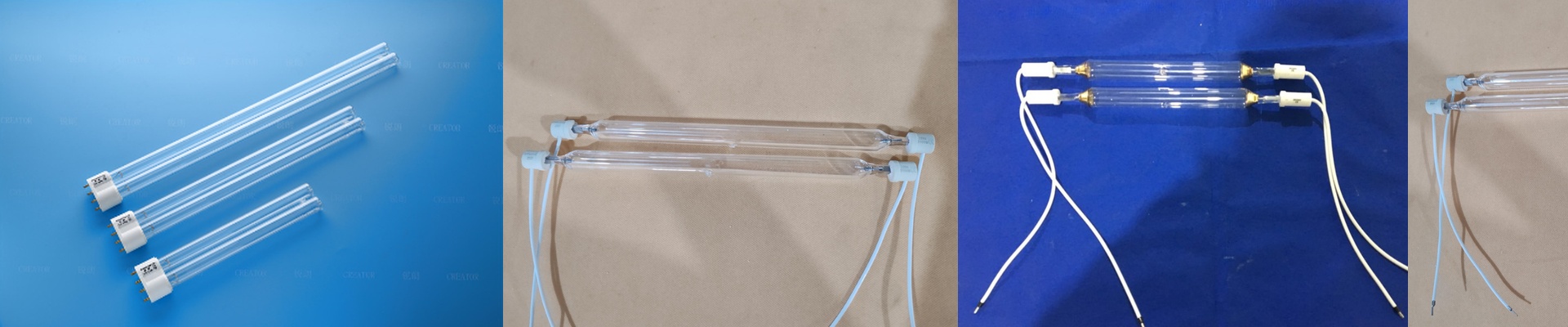
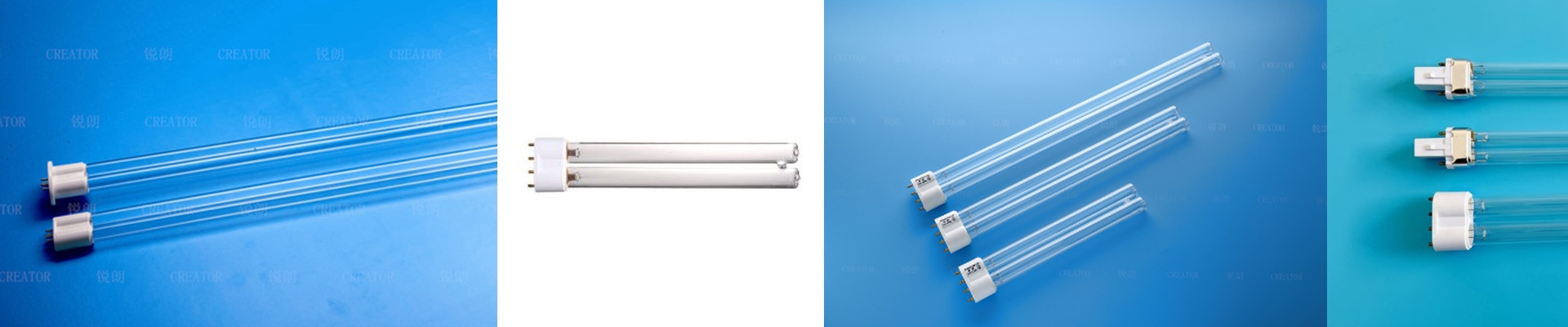
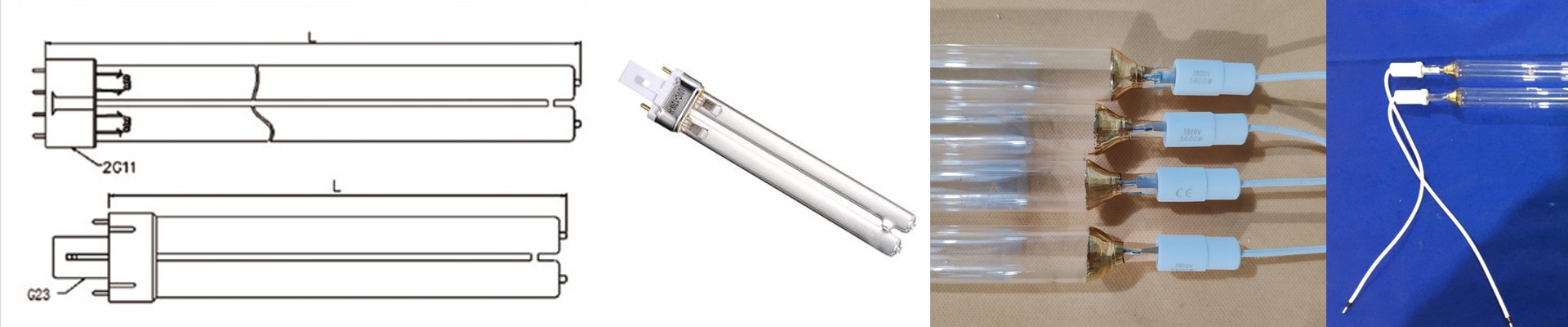
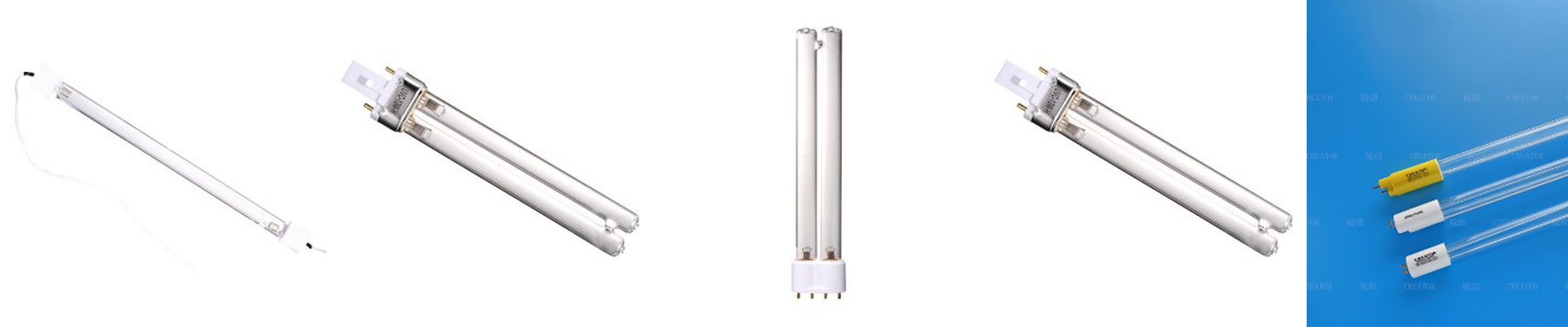
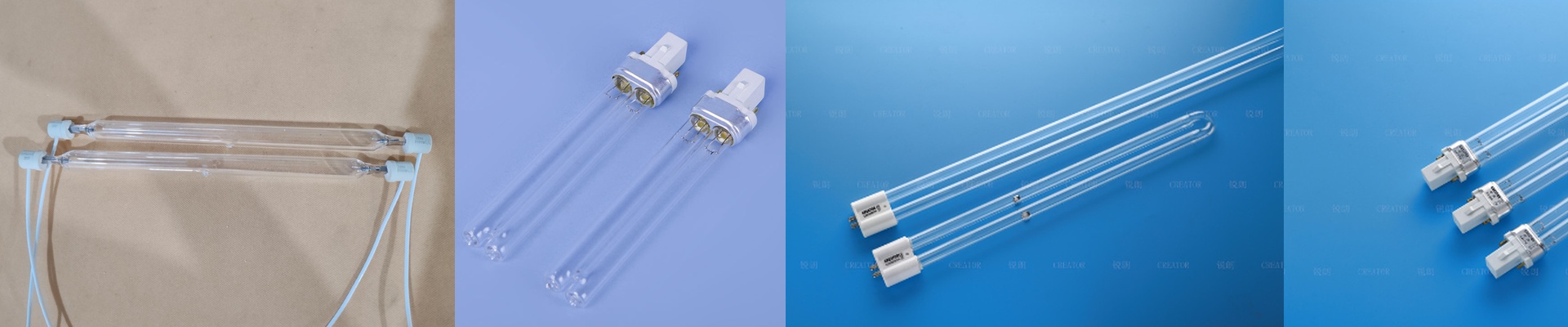
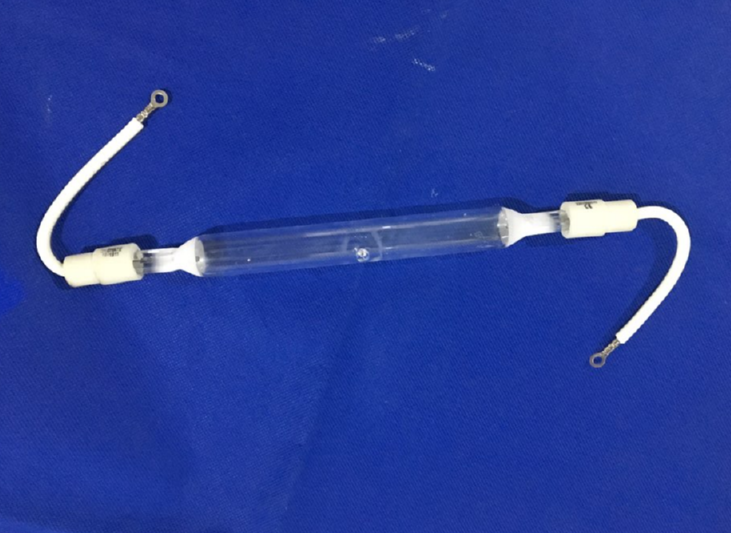
Let’s be honest: buying UV and IR lamps in bulk is usually a headache. You’re stuck choosing between those cheap imports that pop after a few weeks or the big-name brands that charge a fortune just for the logo. We decided to do things differently. We handle everything ourselves—from smelting the raw quartz to welding the electrodes. No middlemen, no fancy markups. Just a solid product that actually lasts. The deal with heat and quartz Here is the thing about high-wattage setups: heat is the enemy. If you use low-grade quartz, the glass degrades fast. It’s that simple. We use high-purity fused quartz because it handles the thermal shock and lets the UV light through without a fight. But a heads-up: if your housing can’t breathe and dissipate that heat, your electrodes are going to fry. No matter how good the glass is, physics always wins. Finding the right fit We make our tubes in all sorts of lengths and voltages to fit whatever machine you’re running. Whether you’re using R7s or Sk15 connectors, we obsess over the fit. Why? Because a loose connection leads to arcing. And arcing fries your socket. It’s a mess you don’t want to clean up. You can also choose between coated and uncoated tubes. The coated ones help you hit specific wavelengths, though you’ll lose a tiny bit of that raw power compared to the clear quartz. Real-world trade-offs These lamps are workhorses for PET blowing and curing lines. They hit their temperature almost instantly, which is exactly what you need when your line is moving fast. But here is a bit of a reality check: don’t push your lamps to the absolute limit. If you run them at 110% capacity just to squeeze out a few more parts per hour, you’re going to see about a 20% drop in how long they last. If you’re looking to upgrade, we can give you a drop-in replacement that matches your current specs. That way, you don’t have to spend your weekend rewiring the entire control cabinet.