Making Gallium Iodide Lamps Actually Work in the Real World
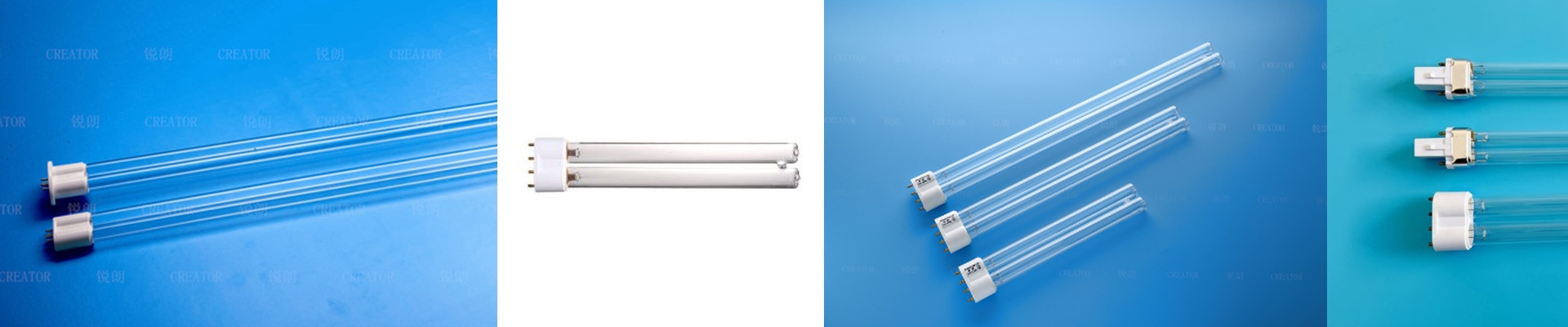
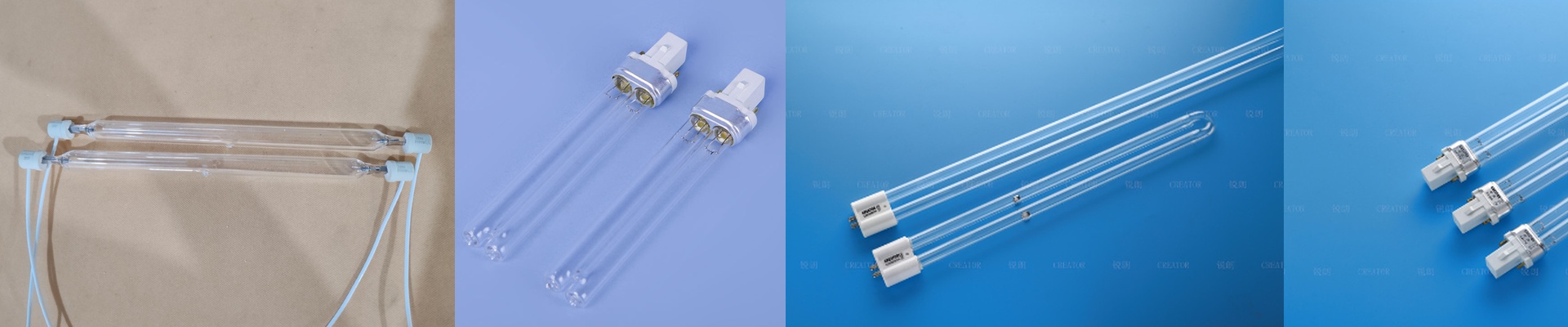
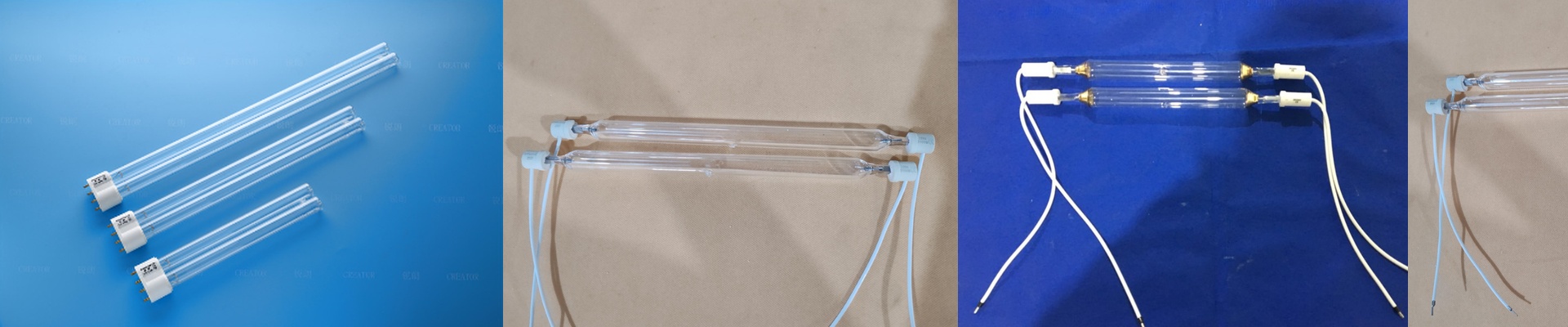
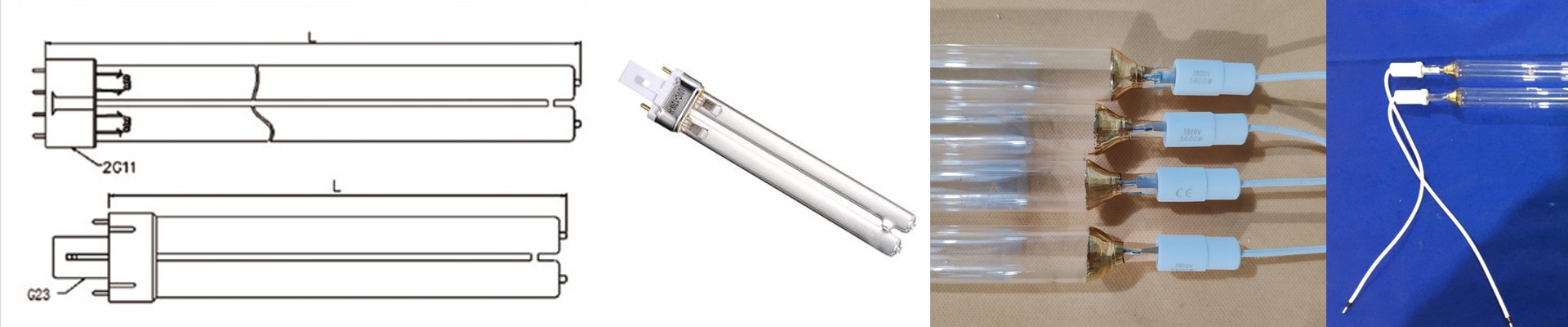
Gallium iodide lamps are a different beast. We use them for those tough “deep-cure” jobs where your standard mercury lamps just give up. If you’re dealing with thick coatings or inks with a ton of pigment, you need those specific spectral peaks to actually get through the material. But here is the thing: building a lamp that works on a workbench is one thing. Building one you can actually plug into a factory in Germany or France without getting shut down by an inspector? That’s a whole different story.
Why we obsess over the CE mark
I get asked all the time why we spend so much time on CE certification. It feels like just another sticker. But it’s not. For these lamps, it’s about the gritty details—things like electrical insulation, how we handle the heat, and making sure the electromagnetic interference doesn’t go wild. If you toss a non-certified lamp into a high-speed curing line, you’re playing a dangerous game. You might end up with electrical leaks or, even worse, your lamp starts messing with the PLC that controls your conveyor. Not a great day at the office. We build our housings and wiring so the socket doesn’t just melt under peak load. The certification process basically forces us to find every single point where the lamp could fail. It’s our way of proving that if you run this thing at max wattage for 24 hours straight, you aren’t going to start a fire.
The heat struggle
Gallium iodide tech gives you a longer wavelength than UV-C, which is great because it penetrates deeper into whatever you’re curing. But there’s a catch. These lamps runhot. Really hot. If your cooling system isn’t ready for that kind of thermal output, you’ll notice your UV intensity dropping as the lamp overheats. It’s a simple trade-off, but one that can ruin your batch if you aren’t careful.
Cutting the risk
Using gear that isn’t certified in a professional shop is just asking for trouble. Think of the CE mark as a technical passport. It tells you that this lamp is a drop-in replacement. It won’t blow your fuses, and it won’t put you in the crosshairs of local safety codes. We aren’t claiming to sell “perfect” lamps. We sell hardware that meets international standards so you can keep your line moving and sleep a little better at night.