Getting Your Textile Prints Just Right
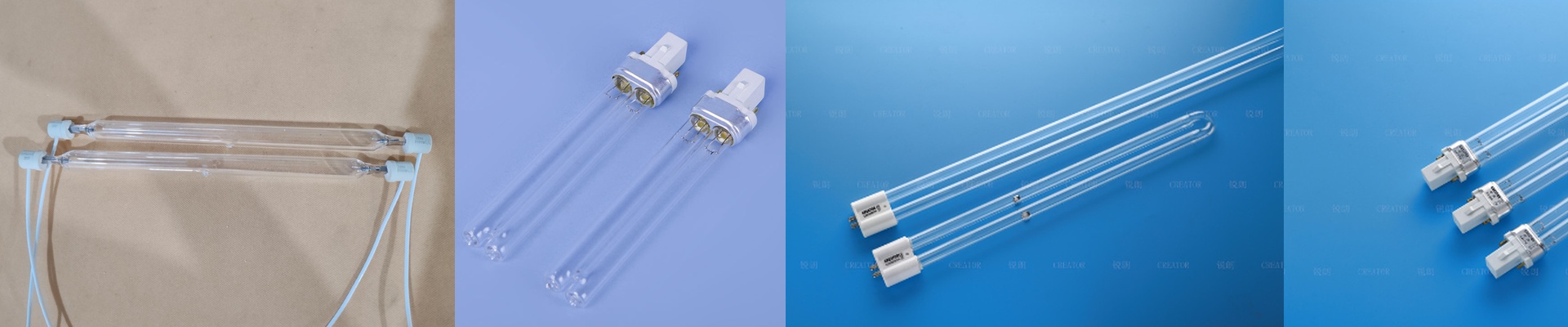
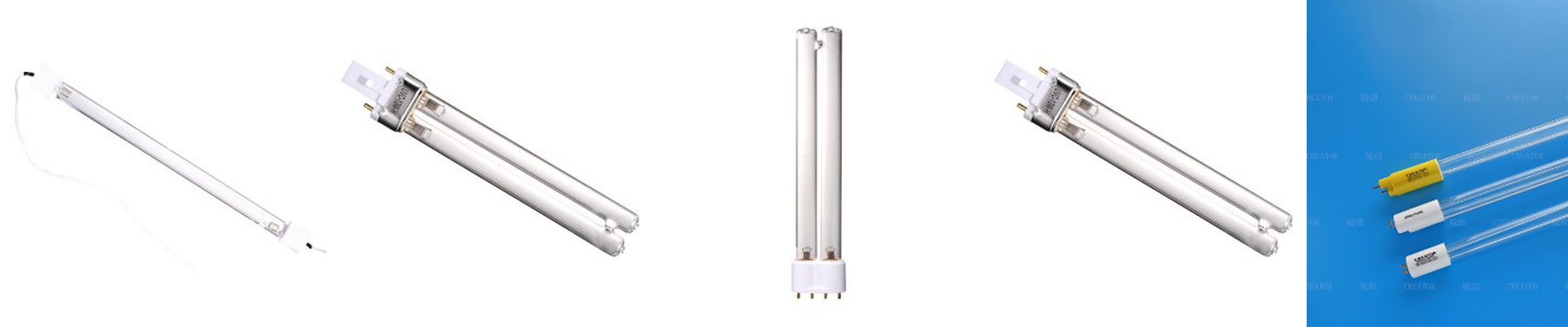
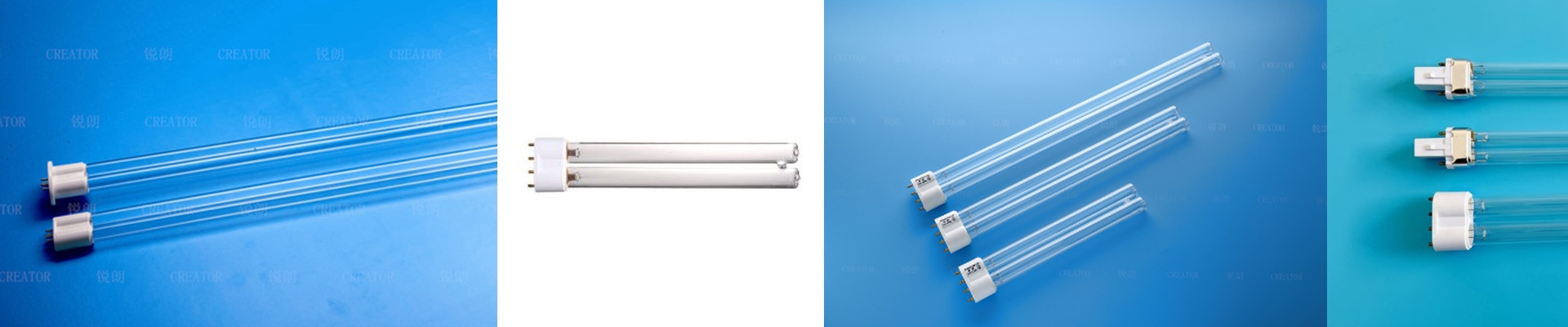
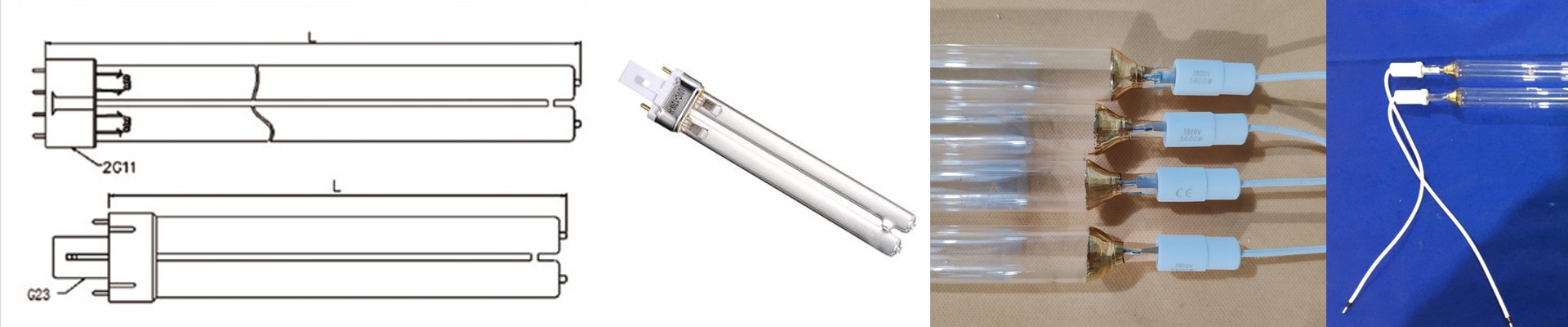
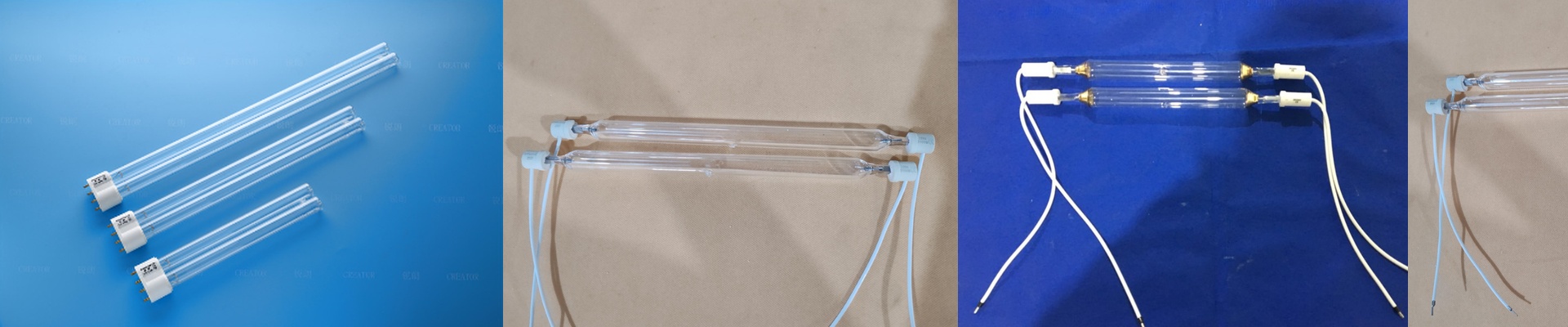
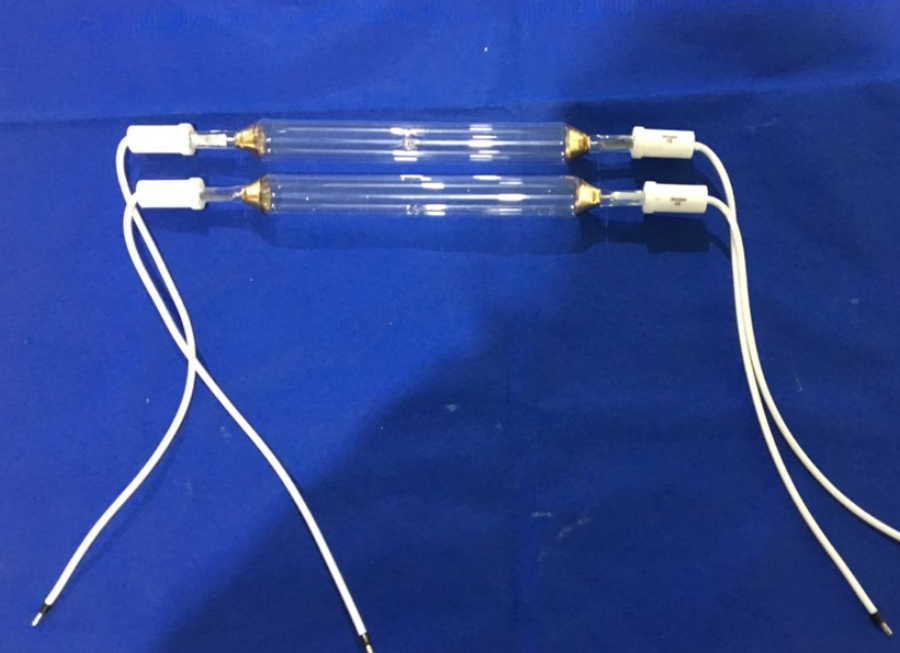
In the world of textile printing, there’s a tiny window between a sharp, professional print and a blurry smudge. It all comes down to how fast you can cure that ink. That’s why we make our UV lamps. We didn’t just make “bulbs”—we built tools designed to snap those inks into place without accidentally scorching your fabric. The science of the “snap” Here’s the thing: modern textile inks need a very specific kind of light to harden. We tweak the gas mix and the electrode spacing inside our lamps so the UV output hits exactly where it needs to. If you’re looking to speed up your line, you can go with a higher wattage. But be careful. If you crank up the power but leave the conveyor moving too slowly, you’re asking for trouble. Your fabric can yellow or the fibers can actually start to break down. It’s a balancing act. Built to take a beating We use high-purity fused quartz for the envelopes. Why? Because it lets the UV light fly through without getting trapped, and it can handle the heat. Think about your typical shift—lamps clicking on and off, heating up and cooling down. That puts a lot of stress on the glass. Our quartz handles that thermal shock without breaking a sweat. Plus, these are drop-in replacements. You can swap them into your existing housings without having to rip out your wiring or spend a weekend rebuilding your rig. The final quality check Your lamps are basically the last line of defense for your quality control. When the UV hit is just right, the pigment locks into the fibers instantly. That means no ink bleeding and prints that actually survive the washing machine. But you need that light to be even across the whole roll of fabric. If your lamps are old or mismatched, you’ll start seeing “zebra stripes” or weird uncured patches. It’s a nightmare to fix after the fact. My best advice? Keep an eye on your hour-meters. Swap the tubes out before the output dips. It’s a lot cheaper to replace a lamp than it is to scrap a whole batch of ruined fabric.