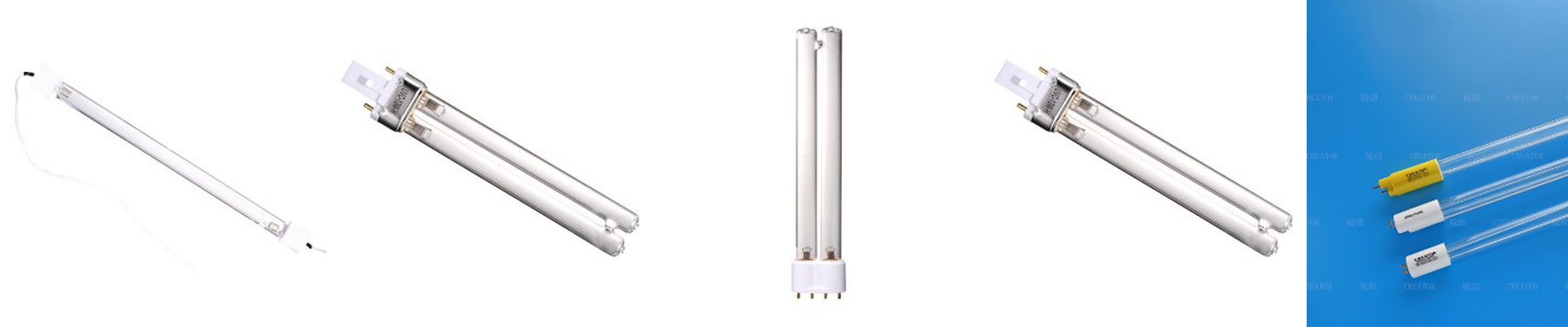
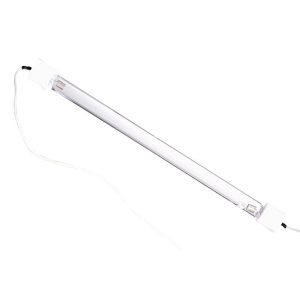
Getting the Most Out of 120W/cm Mercury UV Lamps
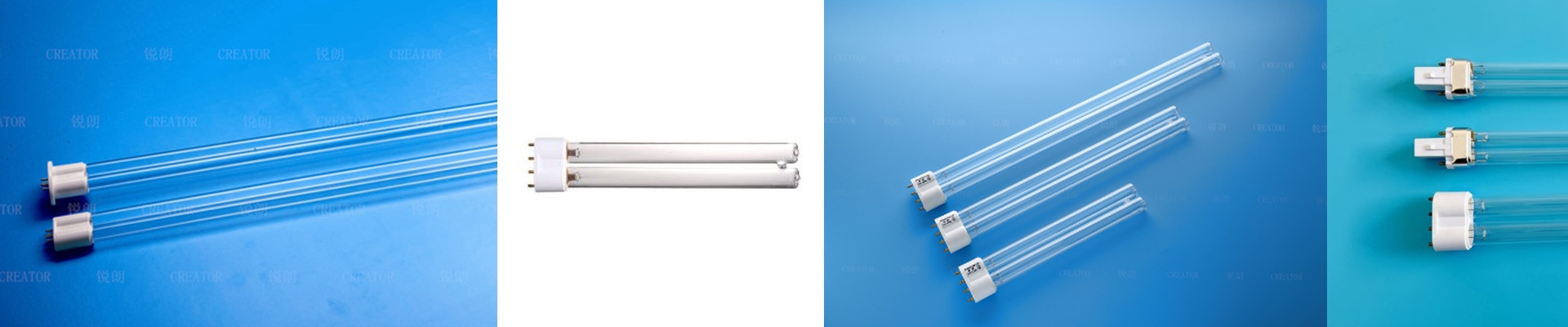
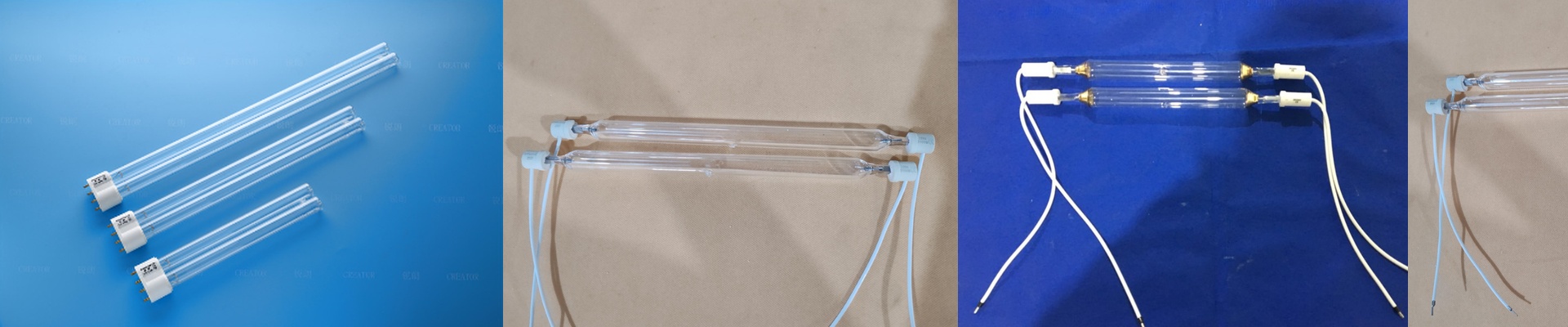
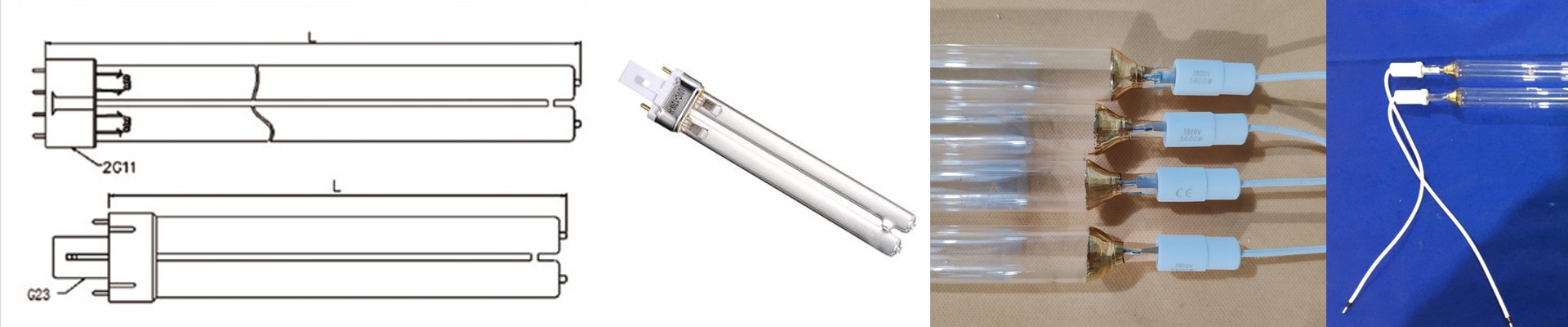
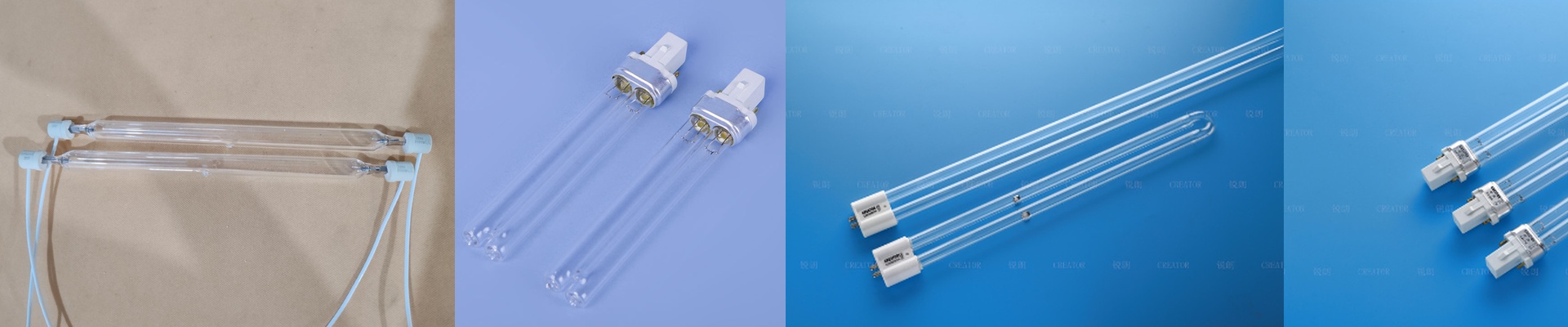
Let’s talk about the 120W/cm mercury UV lamp. If you’re using these for curing or sterilization, you already know that consistency is everything. There is nothing worse than pulling a part off the line only to find a “cold spot”—that annoying patch of uncured resin or a surface that isn’t actually sterile. We build our lamps to make sure the power stays steady across the entire tube. No dips, no surprises. Just a clean, even hit of UV.
Heat is the Enemy
Running at 120W per centimeter is intense. It’s a lot of energy packed into a small space, which means it getshot. Really hot. To handle that stress, we use high-purity fused quartz. But here is the thing: the lamp can only do so much. If your cooling system isn’t up to the task, you’re asking for trouble. The quartz can warp, or the lamp will simply burn out way before its time. Make sure you’re pulling that heat away efficiently, or you’re just wasting money.
The Legal Headache (and How to Avoid It)
When you’re shopping for these lamps, the tech specs are only half the story. The other half is the legal side—the patents. A lot of people don’t realize that the way an electrode is shaped or the specific mix of gases inside the tube is often protected by international law. If you buy from a supplier who is just “copying” a design, you’re playing a dangerous game. Your shipment could get seized at customs, or you could end up in a legal fight in the US or EU. We own our patents. We designed the architecture ourselves. That means when you put our lamps in your machinery and ship it across the border, you can breathe easy. No “patent trolls,” no customs blocks. Just business as usual.
Keeping Things Running
These are designed to be drop-in replacements for standard ballasts, so they’re easy to swap. One small tip: pay attention to the end-caps. We obsess over the tolerances there because a loose fit causes arcing. Once you get arcing, you’ll fry your socket, and that’s a mess nobody wants to deal with. Also, get into the habit of checking your ballast output every 1,000 hours. If you’re overdriving the lamp by pushing the voltage too high, you’ll kill the cathode fast. Keep it within the rated specs, and the lamp will take care of you.