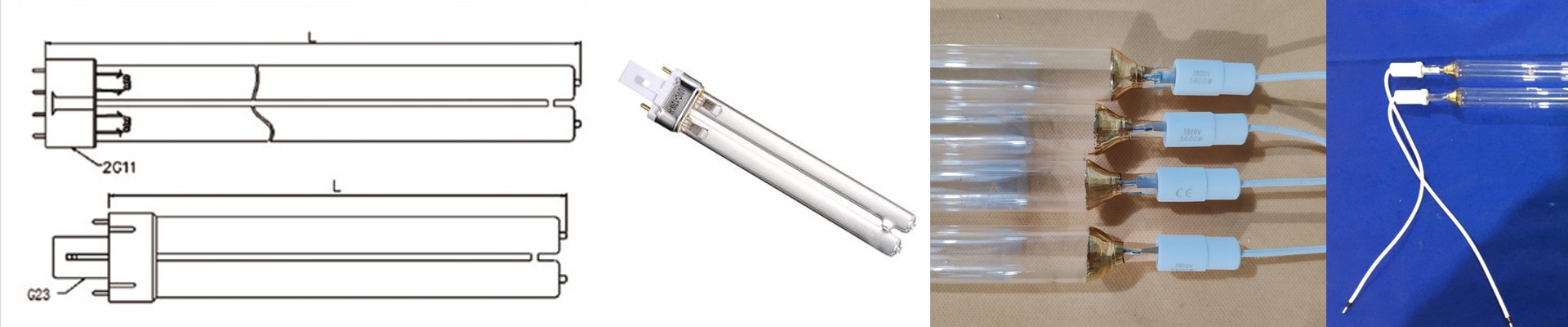
Let’s Talk About Mercury UV Bulbs
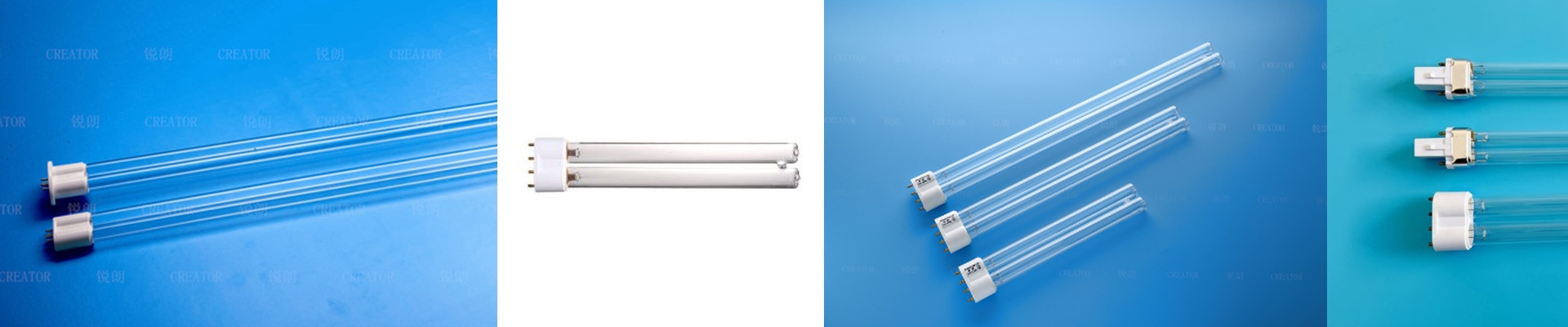
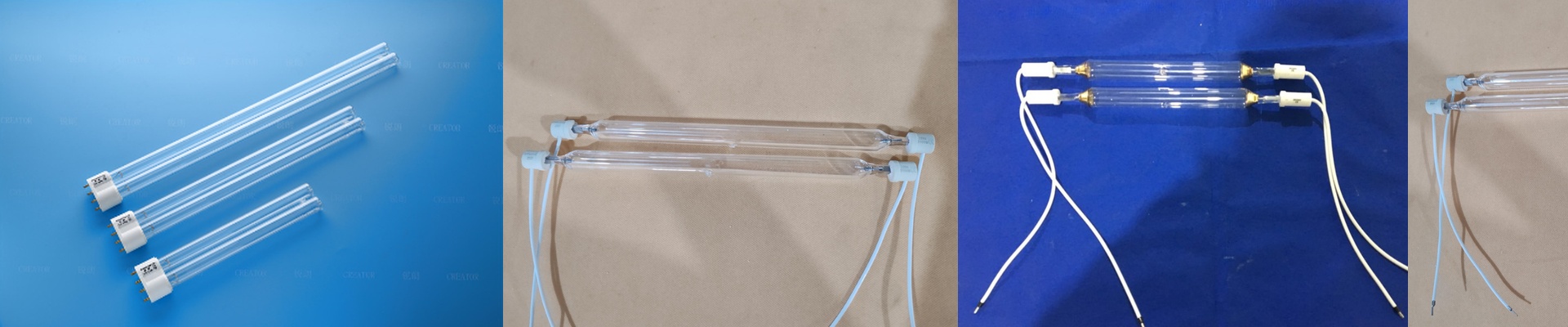
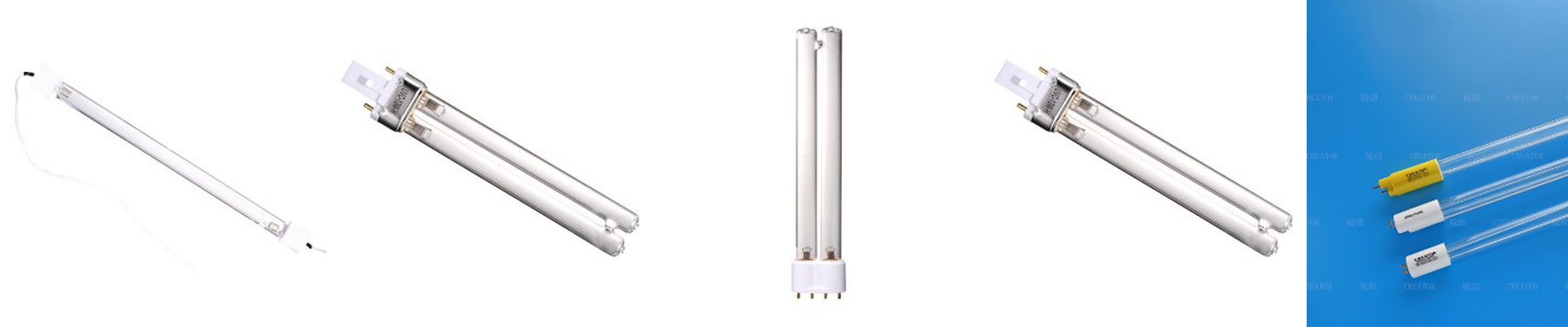
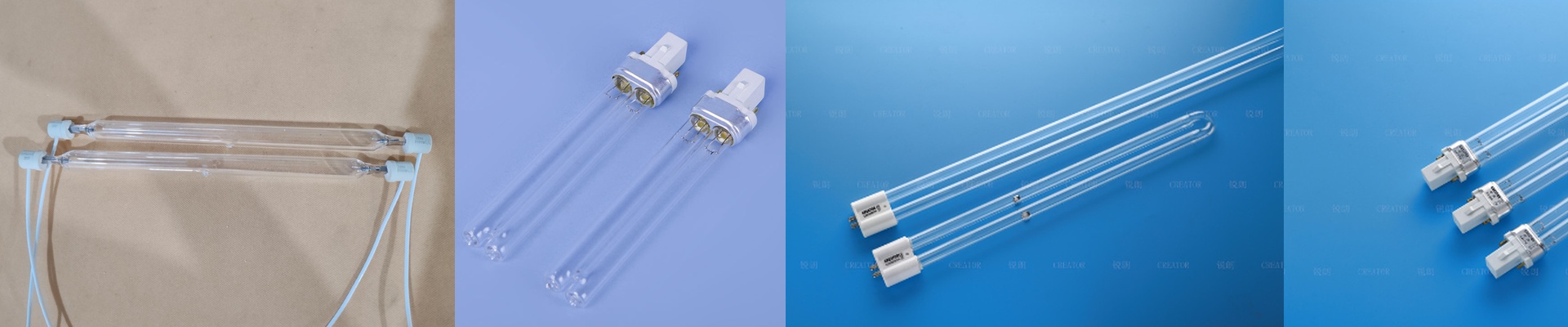
Mercury vapor lamps are still the heavy lifters of industrial UV curing. Why? Because they hit everything—from the surface level right down to the deep layers of your photoinitiators. When we were at the 2026 Printing Exhibition, we spent most of our time talking about custom UV modules. We stopped pushing off-the-shelf bulbs. The truth is, most standard tubes just don’t cut it because they aren’t tuned to the actual speed of your press.
Getting the Power Right
We spend a lot of time balancing wattage and tube length. We want to make sure you don’t end up with “cold spots” on your material. Now, it’s tempting to just crank up the wattage for more UV output. But there’s a catch. More power means the quartz envelope gets way hotter. If you push it too hard without enough cooling air, you’re just asking for the electrodes to burn out early. We tweak the voltage and current so the arc stays steady from one end of the tube to the other. No flickering, no surprises.
The Glass and the Gear
Not all quartz is created equal. We use a specific type that lets the UV light actually get through. Cheap glass blocks the shortwave radiation, and that’s when your curing speeds tank. We don’t just hand you a bulb. We build it into a module with reflectors that push the light straight down where it belongs. It stops energy from leaking everywhere. Plus, we use heavy-duty connectors. Presses vibrate. A lot. These connectors make sure the lamp doesn’t start arcing at the contact points when things start shaking.
The Trade-offs
These modules give you the punch you need for high-speed runs. But here is the thing: high-output mercury lamps put off a ton of infrared heat. You can’t just plug these in and hope for the best. You need a cooling system that can actually handle it. If your exhaust fans are weak, your substrate will warp or your ink will start to blister. That’s a nightmare nobody wants. We’ve designed the footprint to be a simple drop-in replacement for most standard presses. Just do yourself a favor—double-check your ballast settings before you wire it up. You don’t want to blow a brand new lamp on day one.