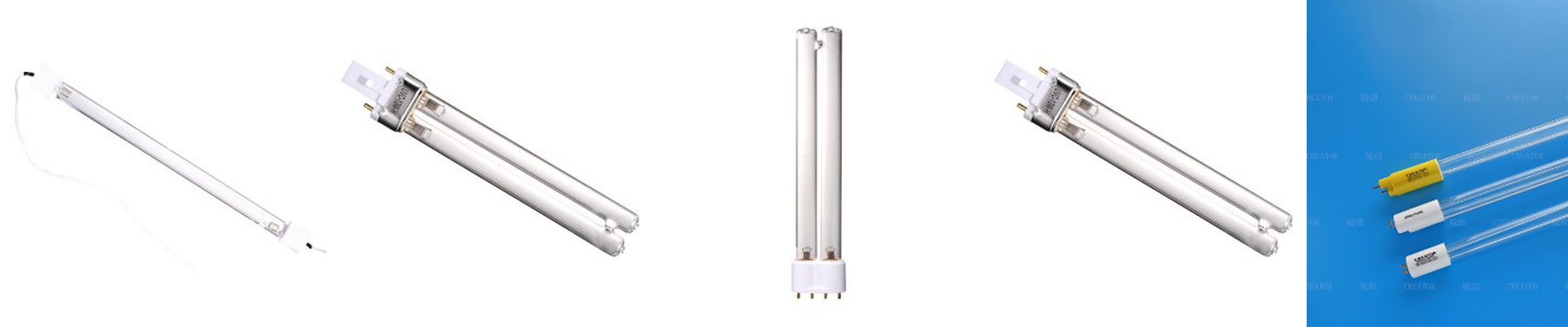
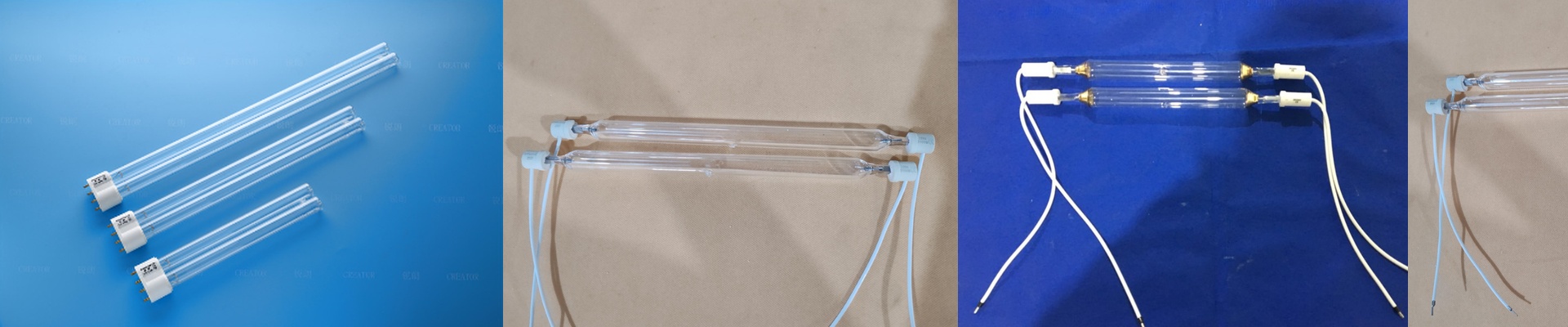
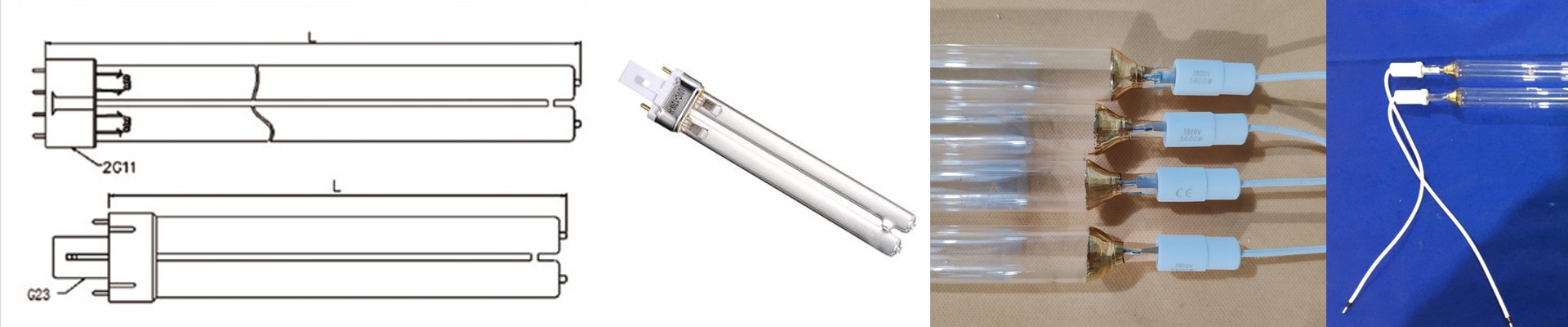
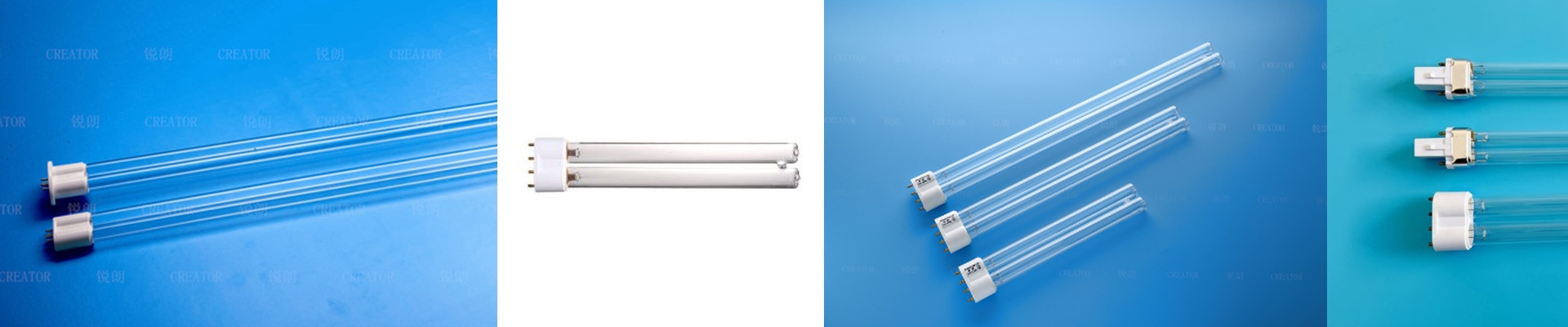
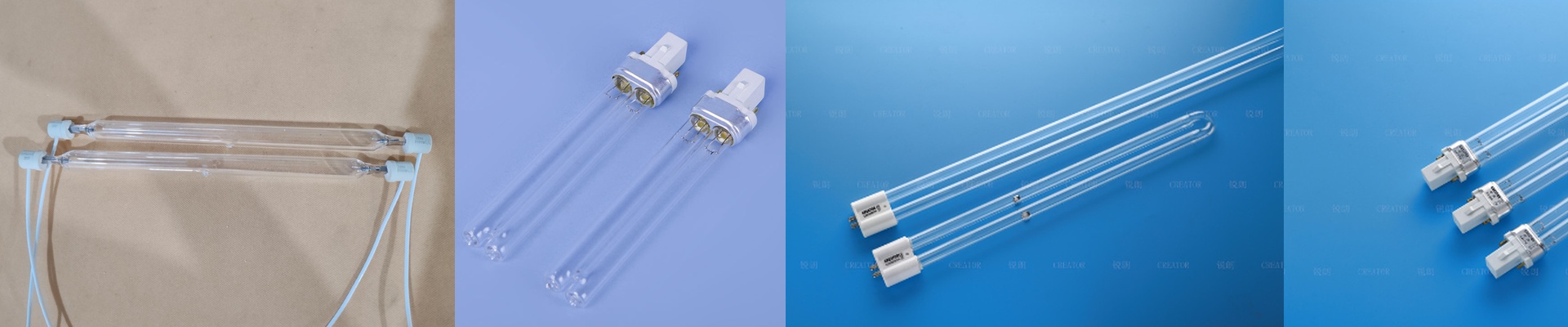
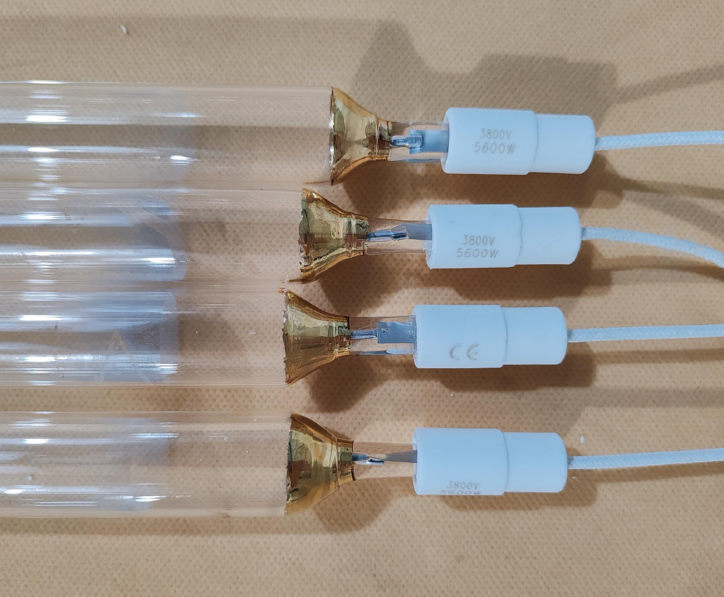
Getting the Wavelength Right: The Real Story Behind Our UV Lamps
We don’t just put parts together and call it a lamp. We’re basically managing photons. Looking ahead to 2026, the industry is shifting. “General UV” isn’t cutting it anymore. Everyone wants narrow-band precision now. That’s why we spend our time obsessing over the physics of the arc discharge and the quartz envelope. We’re chasing exact nanometer targets.
The nitty-gritty of spectral output
If you need 254nm for germicidal work or something in the 200-230nm range for curing, you can’t just wing it. You need a precise gas mixture and the right electrode materials. Then there’s the quartz. We use high-purity synthetic stuff because if the glass is even a few microns too thick—or if there’s a tiny bit of impurity—your output tanks. You lose that punch. A shift of just 5nm can make a lamp completely uselessfor certain chemical reactions. That’s why we keep our tolerances so tight.
Heat, hardware, and the big trade-off
Let’s be honest: high-output UV lamps get hot. Really hot. To stop the ends from burning out during those high-voltage starts, we use specific electrode alloys. But here is the catch: you have to match your ballast to the lamp’s impedance perfectly. If you try to over-drive the lamp just to squeeze out more intensity, you’re going to kill the lifespan by about 30%. It’s a simple trade-off. You can have raw power, or you can have a lamp that lasts. You can’t have both.
Making it fit
We build these to be drop-in replacements for industrial rigs. Whether you’re using a standard G13 base or a custom flange, it has to fit perfectly. If the lamp is misaligned by even 2mm, you get hot spots on your reflectors. That’s how glass fails prematurely. We test every single batch for stability. That way, when you wire it up on the factory floor, it actually does what the data sheet says it will. No surprises. No headaches. Just light that works.