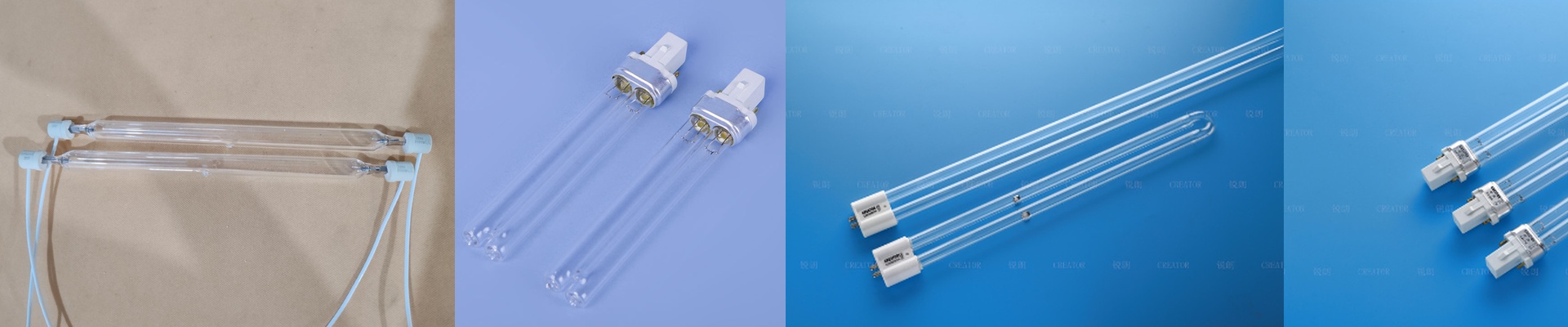
Dealing with Electrical Noise in Your UV Curing Setup
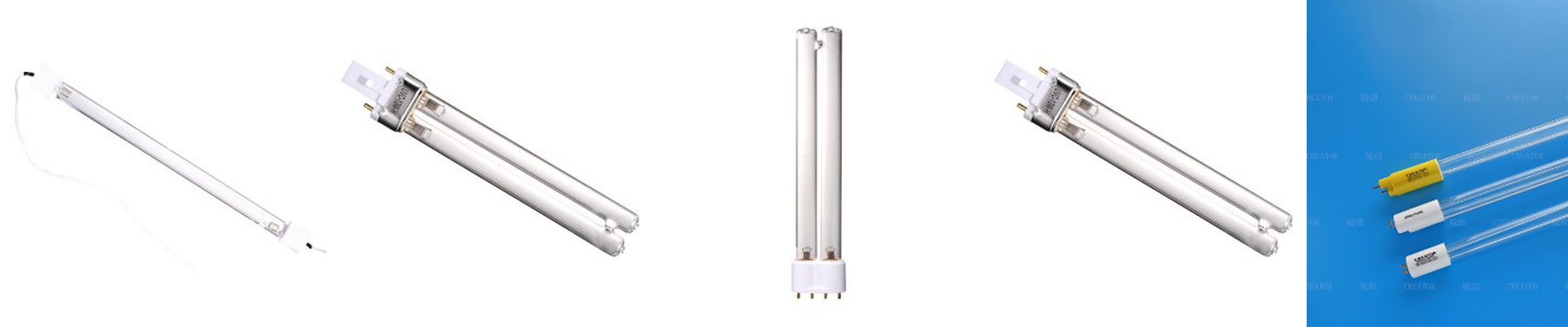
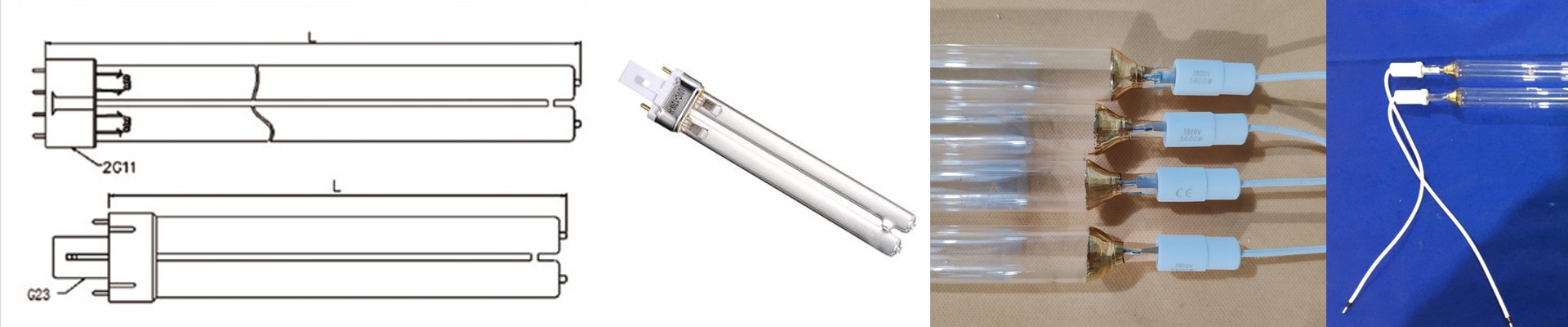
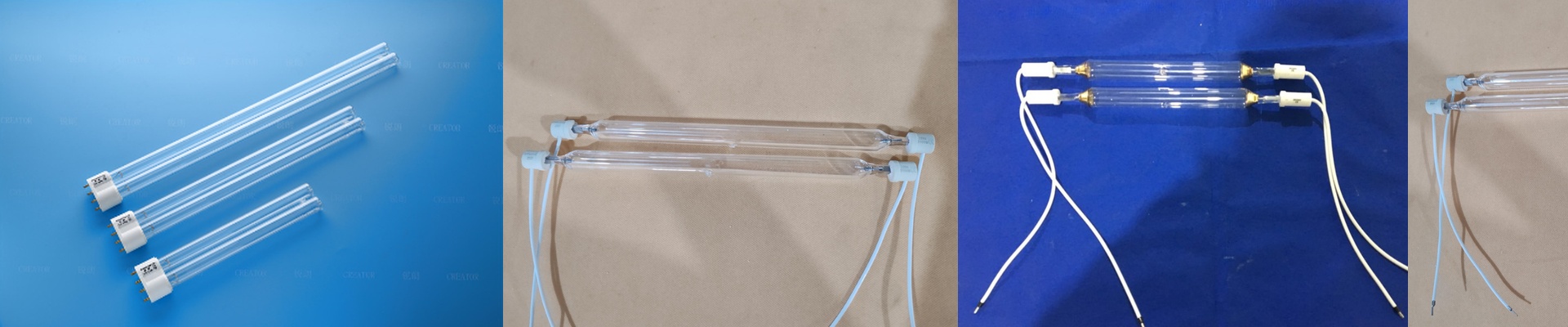
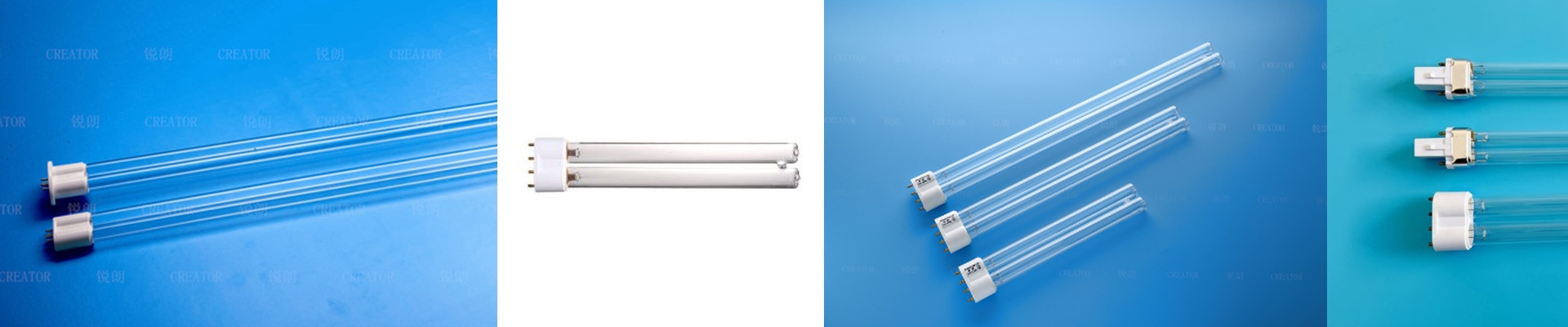
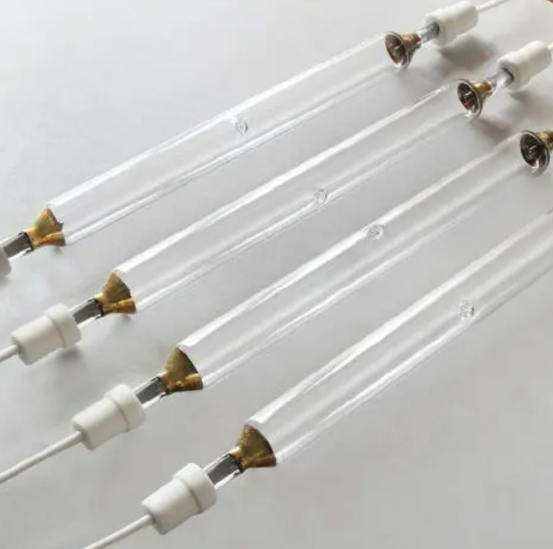
If you’re running a few large-scale printing presses in one shop, you know it’s a total electrical mess. The second you fire up those mercury UV tubes, the high-voltage ignition and ballast switching start throwing off a ton of electromagnetic interference. It’s a headache. If your tubes aren’t up to the task, you start seeing flicker, your curing speeds go all over the place, or your lamps just burn out way too early. Keeping things steady We build our long-life mercury tubes to hold a stable arc, even when the power grid is acting up. It mostly comes down to how we handle the electrode geometry and the purity of the mercury fill. Here’s the thing: cheap tubes tend to “drift” when there’s interference. That makes your wattage jump around. We make sure the discharge stays rock solid. For you, that means the curing intensity stays the same across the entire web, even if every other press in the shop is cycling on the same circuit. The trade-off for a longer life To make a mercury tube last longer, you have to find a sweet spot between quartz thickness and gas pressure. We use high-grade fused quartz so the tube doesn’t bow when things get hot. But there’s a catch. Because we’re pushing for that longer lifespan, these tubes take a little longer to hit their full operating temperature. They aren’t LEDs—you don’t get that instant-on snap. They need a proper warm-up cycle. If you rush it, you’re just stressing the electrodes for no reason. What this looks like on the floor You’ll really notice the difference in high-volume shops. When you’ve got three or four presses humming at once, the electrical noise is just immense. Our tubes just slot right in. They don’t trip your sensors or leave those annoying “ghost” spots in the cure. Just do me a favor: check your cooling blowers. These tubes run hot. If your airflow drops, the quartz takes a hit and your lamp life plummets. Keep them cool, and they’ll take care of you.