Getting UV Sterilization Right (Without the Headaches)
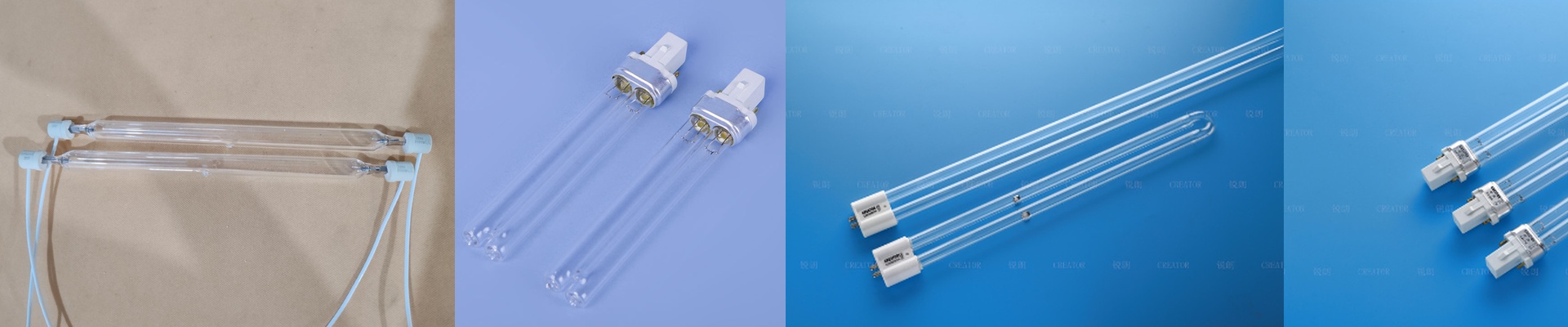
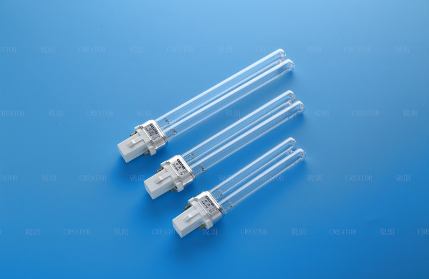
UV sterilization is basically a game of precision. You need that UVC light hitting exactly 253.7 nm to actually break down microbial DNA. It sounds like a textbook, but in the real world, it’s a struggle. We spent 15 years messing around with quartz envelopes and electrode chemistry just to get our output to match the big international names. Most generic lamps? They just can’t take the heat. They run hot, they stress out, and then they burn out way too early. It’s frustrating.
The Tug-of-War Between Power and Heat
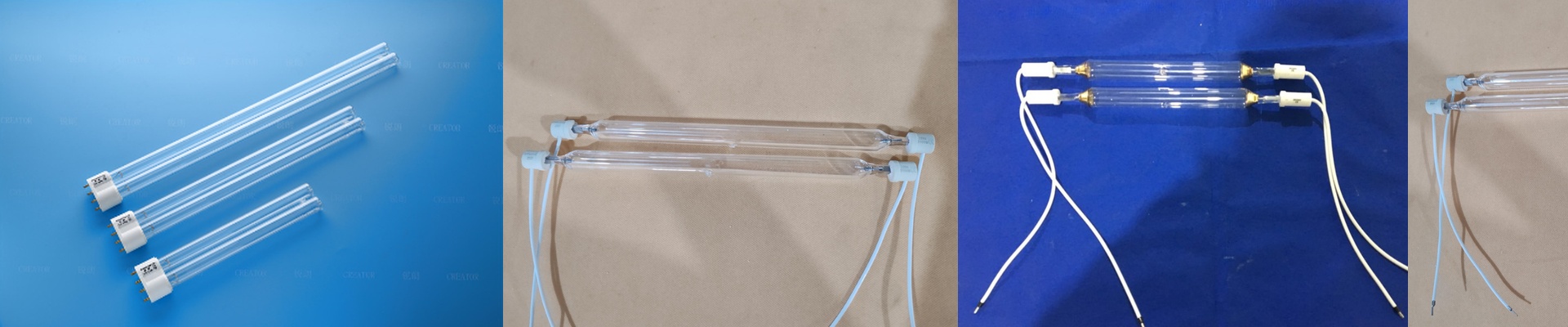
Here is the thing: you can’t just crank up the wattage and call it a day. If the tube is too short for the power you’re pushing, the electrodes overheat. We use high-voltage setups to squeeze more power into a smaller space. This gives you a much tighter, more intense sterilization zone. But there’s a catch. Pushing that much power creates a lot of heat in your ballast and housing. If your cooling fans aren’t up to the task, the lamp gets too hot and your UV intensity just… drops.
Why the Glass and Metal Actually Matter
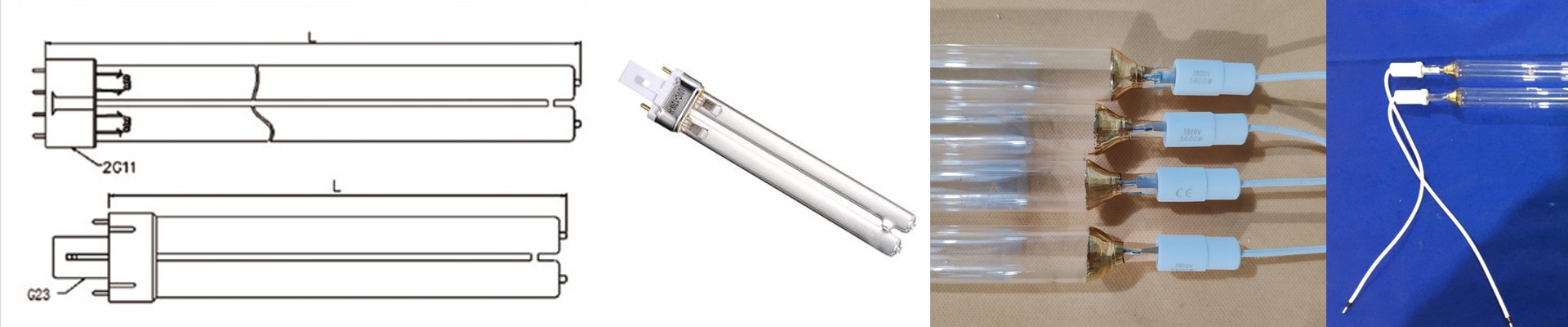
We use high-transmittance fused quartz. Why? Because we want the photons to actually get out of the tube, not get trapped by junk inside the glass. And then there’s the “black end” problem. You know how some lamps turn dark at the edges? That’s sputtering. To stop that, we ditched the standard coatings for a specialized electrode alloy. It keeps the arc stable. For you, that just means the lamp lasts longer before you have to climb a ladder and swap it out.
Built for the Real World
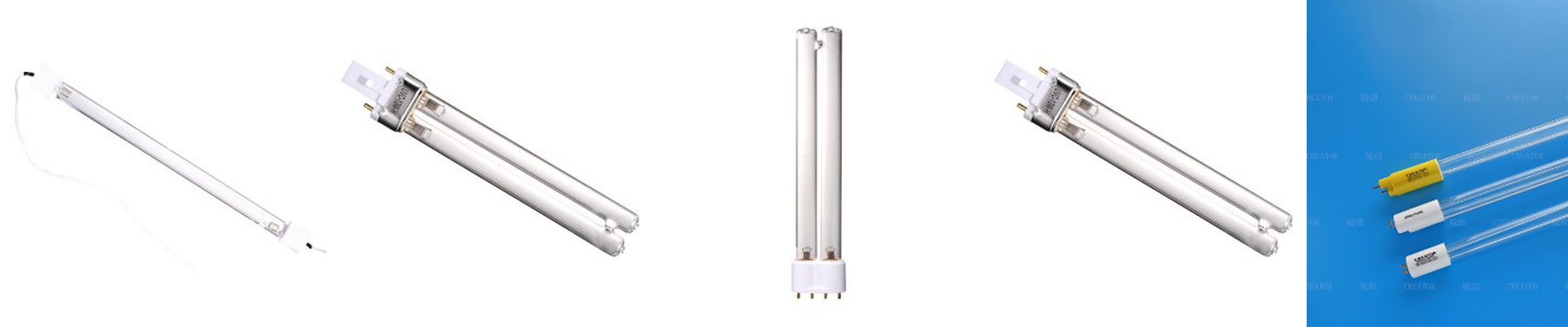
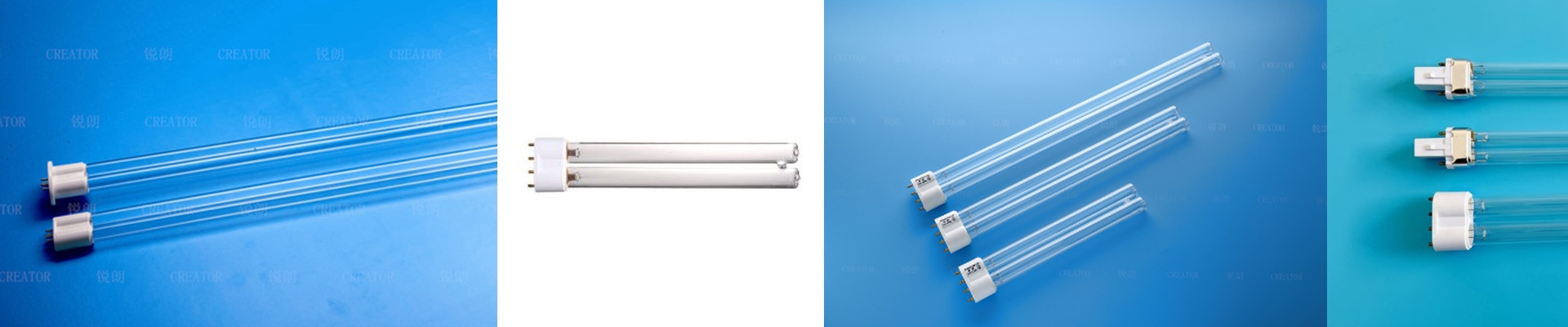
When you’re swapping 50 lamps on a humming production line, the last thing you want is a pin that wiggles or a socket that doesn’t fit. We obsessed over the tolerances here. Everything clicks in tight to stop arcing at the connection points. These systems are built to take a beating. Vibration, dust, grime—whatever your factory throws at them, they just keep working.