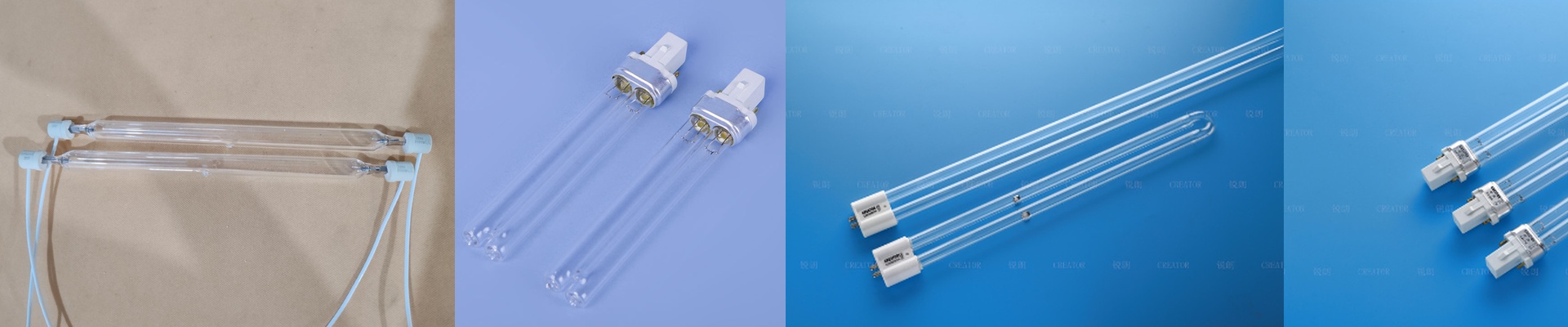
How we actually build high-output UV lamps
For 15 years, we played the middleman. We did the OEM white-label thing, putting our name on other people’s gear. But eventually, we got tired of it. We wanted to build our own UV germicidal lines—something that hit the same output and lasted as long as the big international brands, but without that massive “brand name” markup.
The nitty-gritty of UVC output
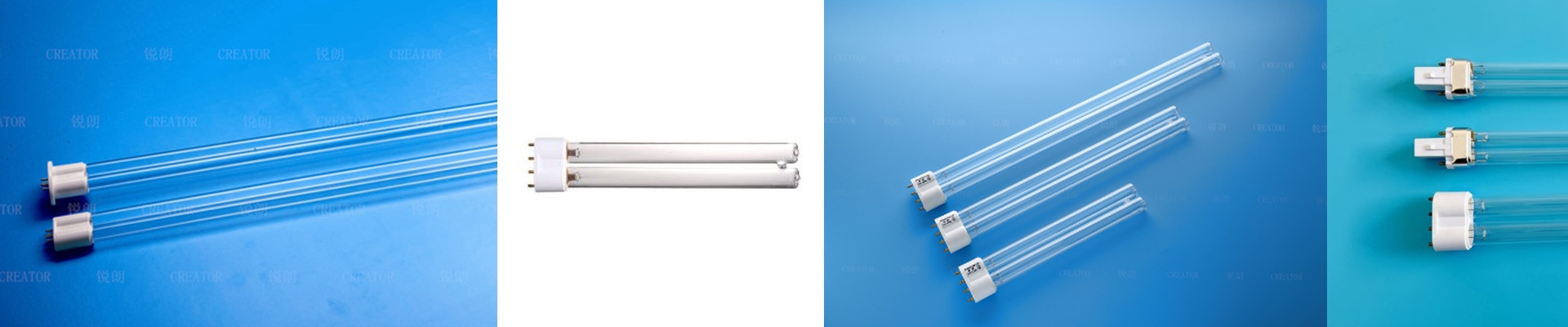
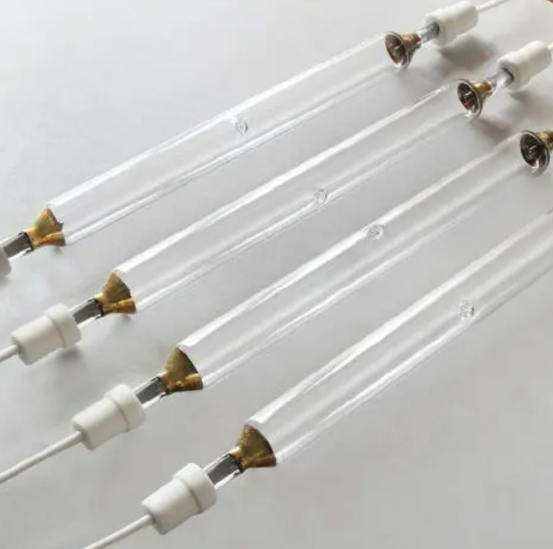
Here’s the thing about the 253.7nm wavelength: it’s picky. If you use cheap glass, you’re fighting a losing battle. Lower-grade glass acts like a wall, blocking a huge chunk of those germicidal rays before they even get out of the tube. That’s why we stick to high-purity synthetic quartz. It lets the UV-C fly right through. We also get obsessive about the electrodes. We use precise tungsten filaments because, let’s be honest, nobody wants a lamp that burns out a month early.
Power, heat, and common mistakes
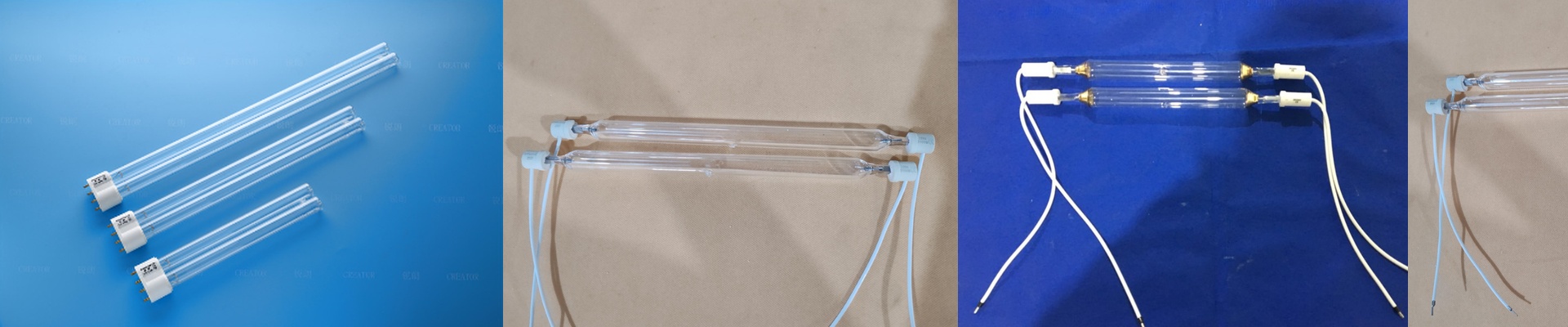
When people hear “energy saving,” they usually think about lowering the wattage. But with UV lamps, it’s not about using less power—it’s about making sure more of that power actually turns into UVC light instead of just wasting it as heat. We do this by dialing in the mercury vapor pressure inside the arc tube. But there’s a catch. You have to match your ballast to the lamp’s impedance. I’ve seen people try to “overclock” their lamps by pushing higher voltages, thinking they’ll get more brightness.**Don’t do that.**All you’re doing is cooking the electrodes. You’ll kill the lamp in half the time it was meant to last. On the flip side, if you under-drive it, you lose the sterilization punch. It’s a balancing act.
Real-world use (and the trade-offs)
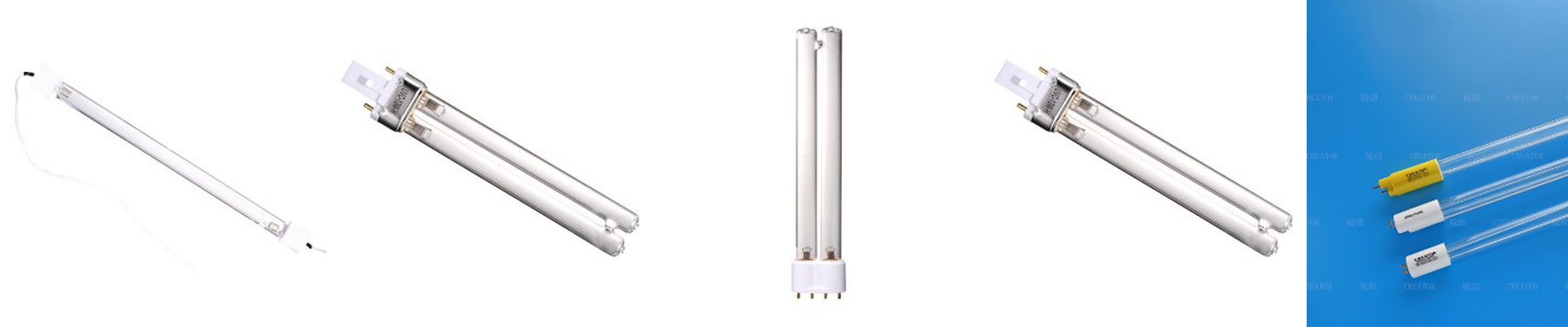
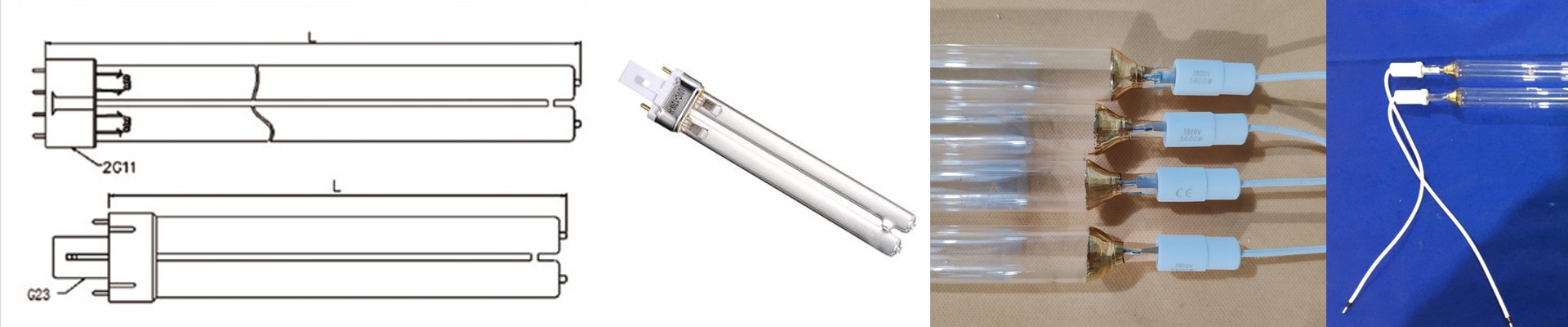
We made these as drop-in replacements. Whether you use G5 or G13 bases, they should slide right into your industrial arrays without a headache. But you should know: high-output UVC is aggressive. It doesn’t just kill germs; it eats through certain plastics and rubbers over time. If your housing isn’t UV-stabilized or properly shielded, it’s going to degrade. And please, keep an eye on your cooling fans. If the airflow stops, that quartz envelope overheats. When that happens, the spectral output shifts, and your kill rate drops. Keep the air moving, and the lamp stays at that 253.7nm sweet spot.