Getting the Most Out of Gallium Iodide UV Modules
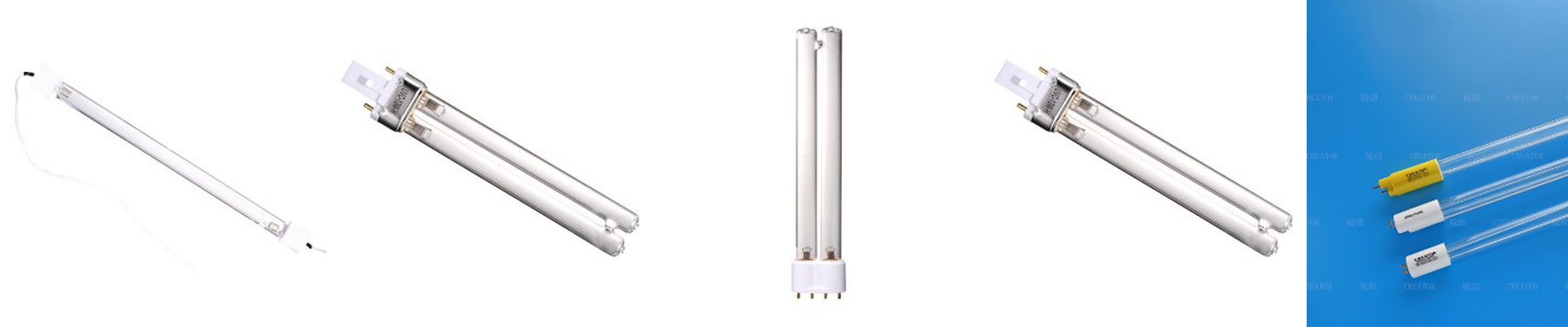
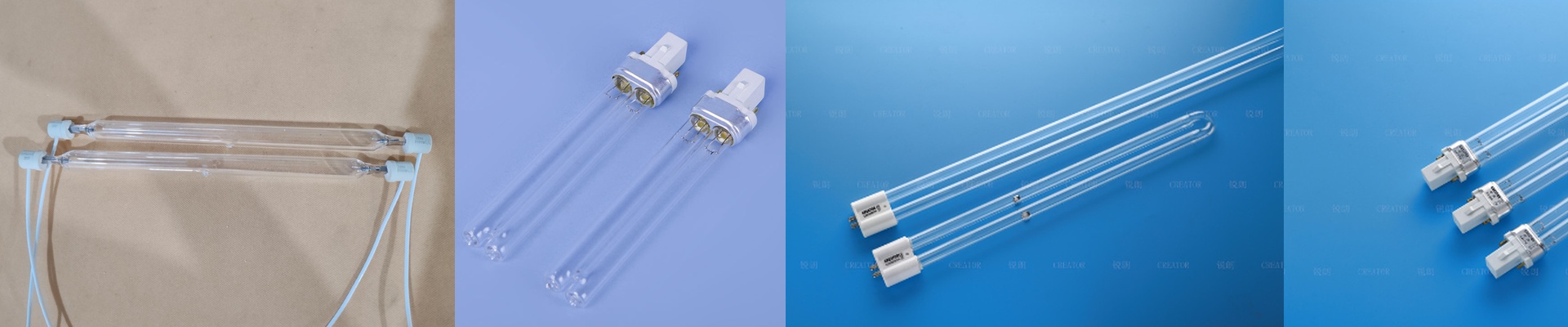
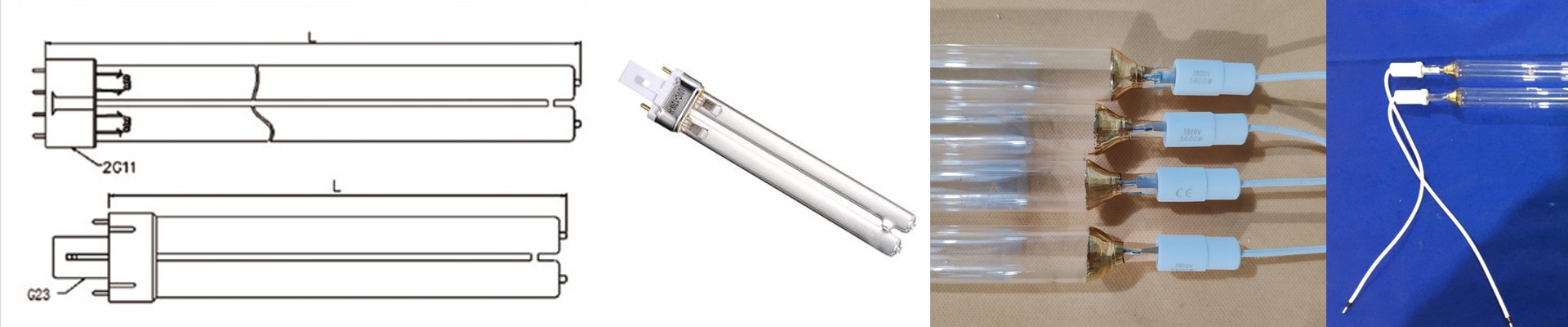
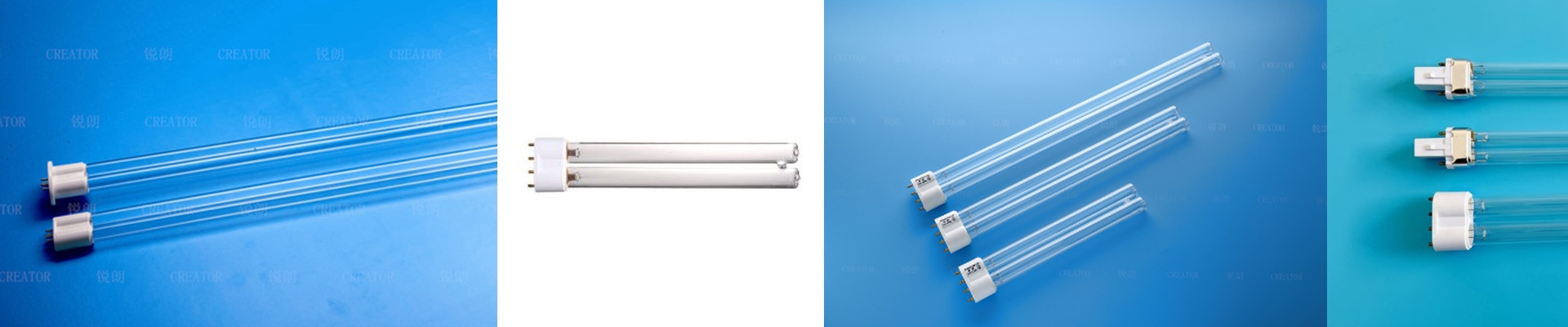
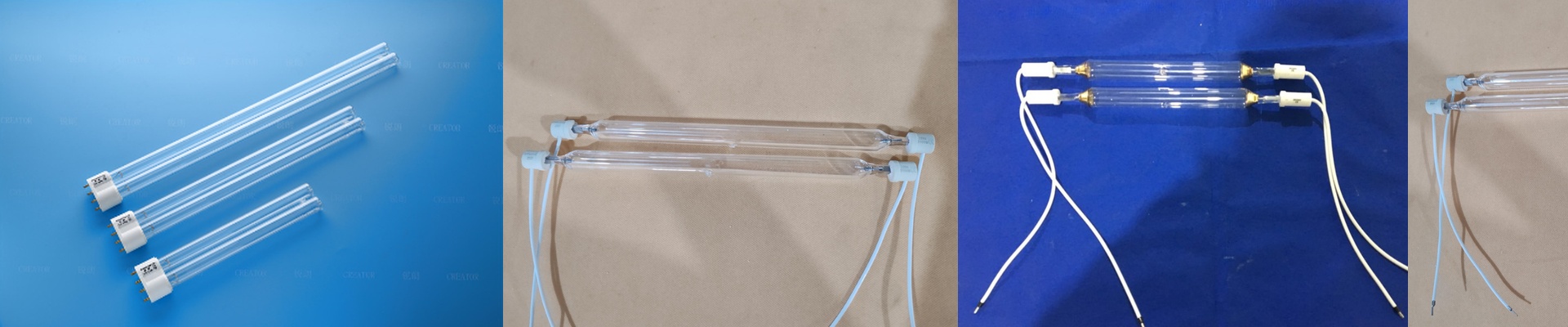
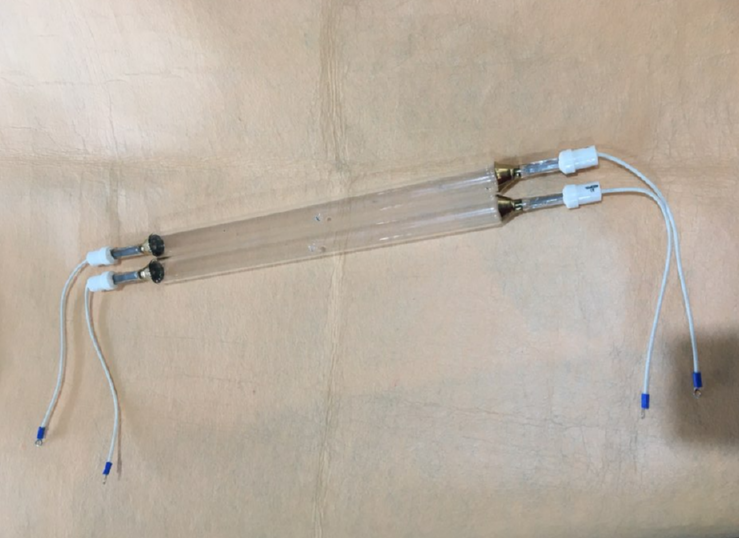
We spent some time at the 2026 Printing Expo showing off our Custom Gallium Iodide (GaI) UV lamp modules. Now, these aren’t the kind of bulbs you just grab off a shelf. We build them for the tough stuff—those high-speed curing jobs where your standard mercury lamps just can’t hit the right wavelength to get the job done. Why Gallium Iodide? Here’s the thing: most UV lamps lean on mercury. But we use Gallium Iodide to shift that light. It creates a tight, concentrated peak between 250nm and 350nm. If you’re working with thin-film inks or adhesives that only react to a very specific band of light, this is a lifesaver. We build these modules to handle high current densities, so you get a steady stream of photons across the whole tube. No dead spots. No guessing. The Build and the Heat We designed these to be drop-in replacements. You don’t have to rip out your whole chassis; they just slide in. We use high-purity quartz for the envelope because any impurity acts like a wall, blocking the UV light from getting out. But there’s a catch. GaI lamps runhot. To keep that spectral peak steady, you need serious cooling. We integrate forced-air or water-cooled jackets into the design. If your cooling isn’t up to the task, you’re looking at burnt-out tubes or, even worse, warped substrates. To stop gas leaks during those high-heat cycles, we use reinforced end-caps. They’re built to last. Real-World Setup Getting these running on your shop floor comes down to the ballast. If the power isn’t precise, you get flicker or electrode sputtering. That’s why we provide matched electronic ballasts. It means a stable arc every single time you flip the switch. Now, I’ll be honest—the raw Gallium isn’t cheap, and these lamps are picky about overheating. But if you’re printing on non-porous surfaces and you need that ink to cure now, the jump in throughput makes the extra maintenance a no-brainer. Plus, we’ve toughened them up to handle the constant vibration of an industrial press line. They stay aligned, even when the floor is shaking.