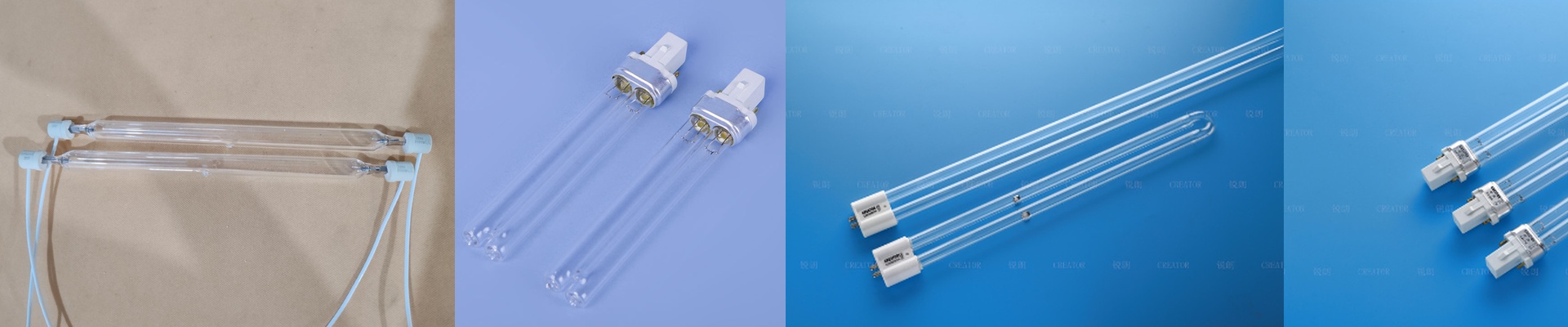
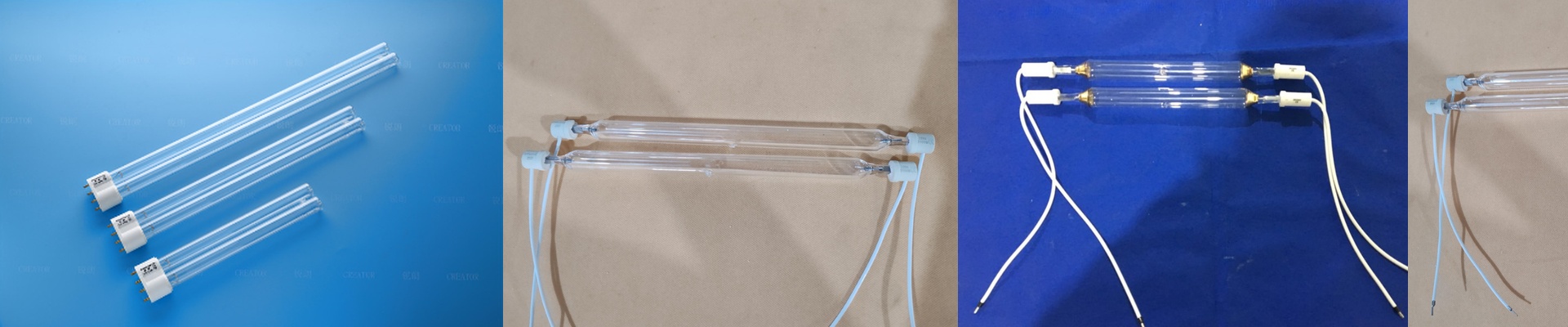
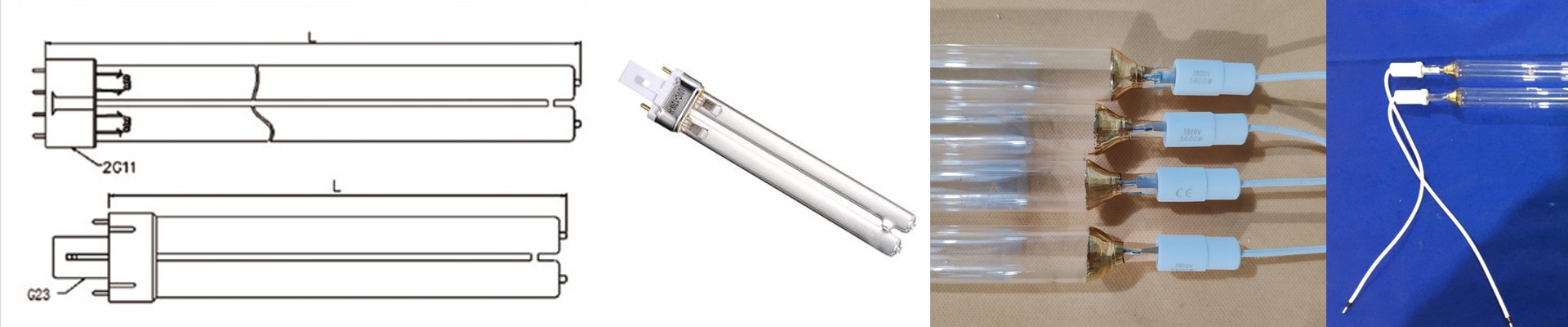
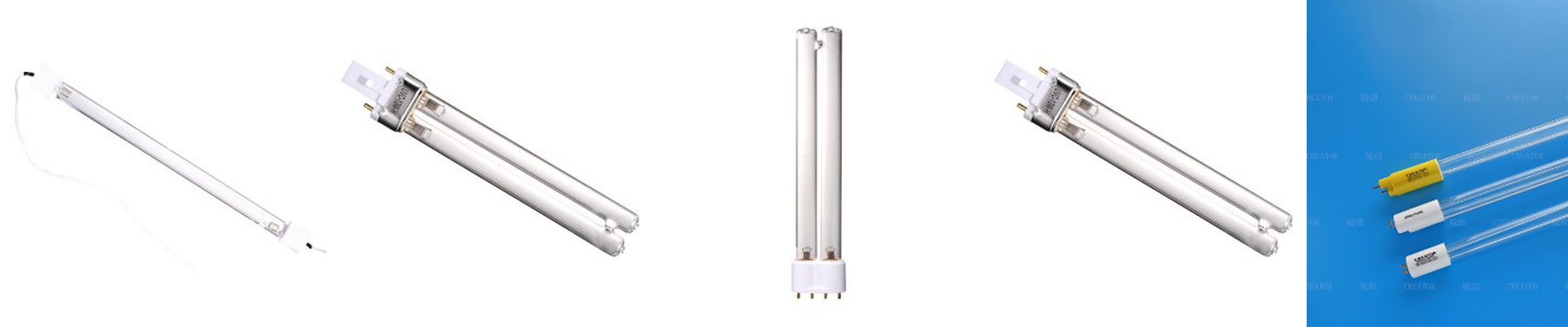
Getting the Most Out of Our 120W/cm Mercury UV Lamps
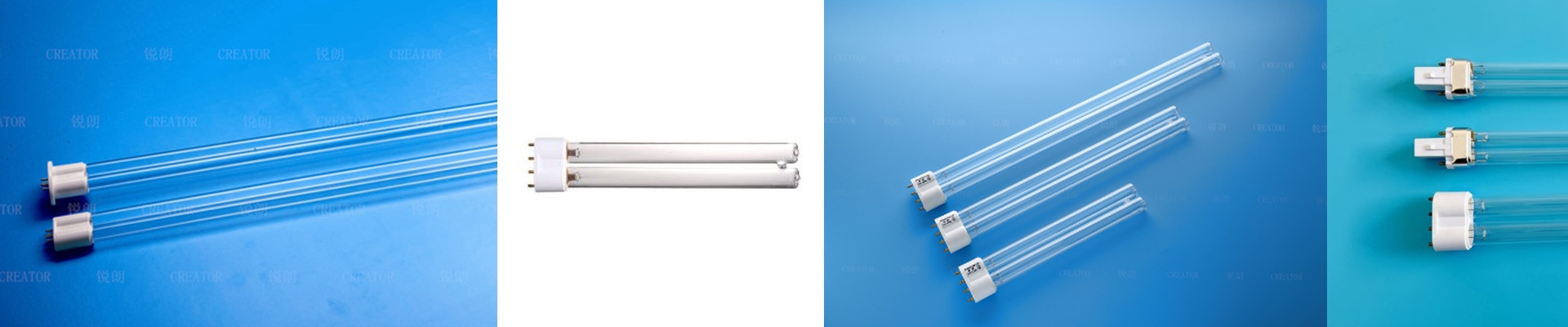
When you’re running high-speed printing or coating lines, every second counts. That’s why we build our standard mercury lamps to hit a power density of 120W/cm. Basically, this number tells you how hard the lamp is working to dry your ink or adhesive as it flies by. The reality of 120W/cm We’re packing a lot of electrical energy into a very small space. It’s intense. It has to be, because that’s the only way to trigger the photo-initiators in your coating quickly enough. If you crank up your conveyor speed, you need this kind of punch to make sure your product doesn’t come out tacky. But you’ve got to find the sweet spot. Move too slow? You’ll end up scorching your material. How the tech actually works We use a mercury-vapor discharge process to get a broad spectrum of UV light. To handle the heat and pressure inside, we use a heavy-duty quartz envelope. One thing to keep in mind: these aren’t like lightbulbs you just screw into a socket. You need a properly tuned ballast to get the arc started and keep the current steady. If the ballast is off, the lamp will flicker or just burn out way too soon. Dealing with the heat Here’s the catch: high power density creates a ton of heat. The UV light does the curing, but it also kicks off a lot of infrared energy. It’s a byproduct we can’t ignore. You absolutely need a cooling system—think high-velocity air or water-cooled jackets. If your cooling isn’t up to the task, that quartz envelope is going to overheat and crack. Not a good day for anyone. We’ve designed these to drop right into standard curing frames. Just double-check your wiring. If the wires can’t handle the current, you’ll get voltage drops, and your curing speed will tank.