Making Mercury UV Tubes That Actually Last
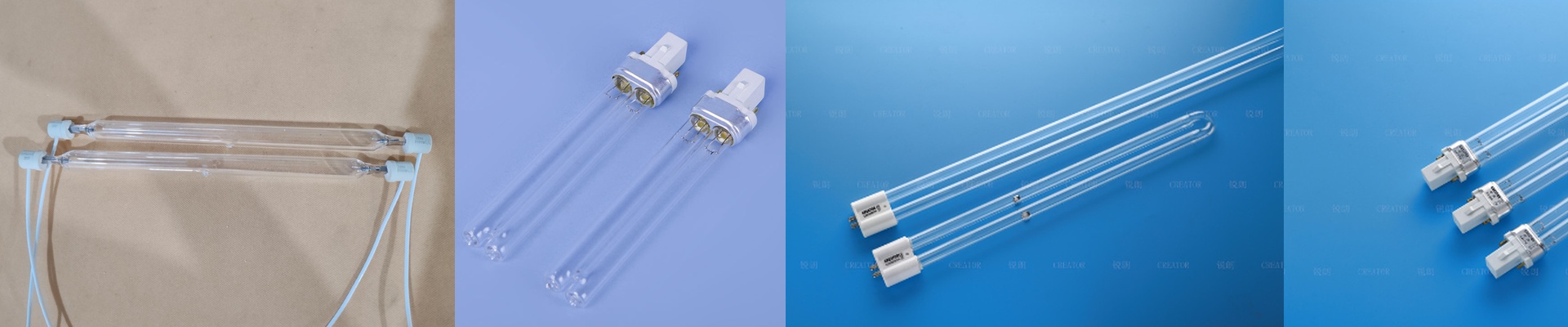
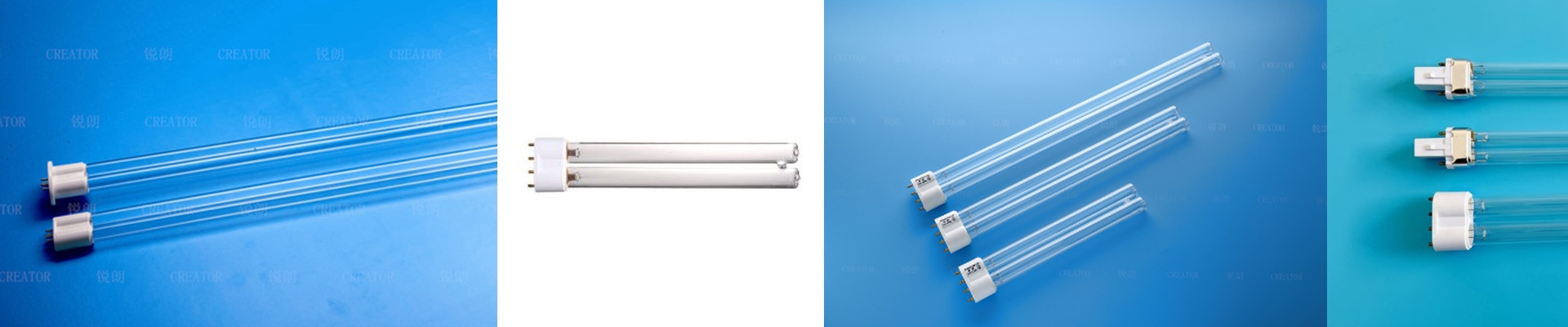
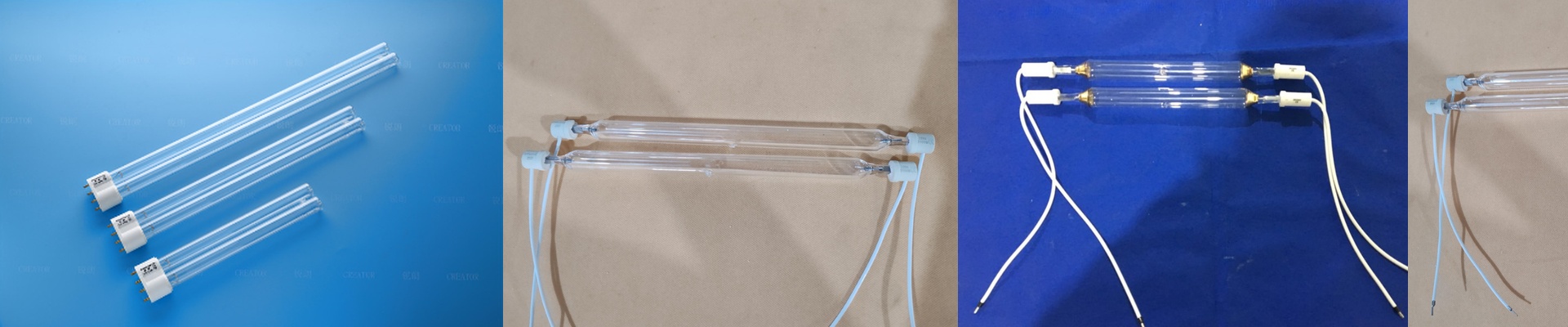
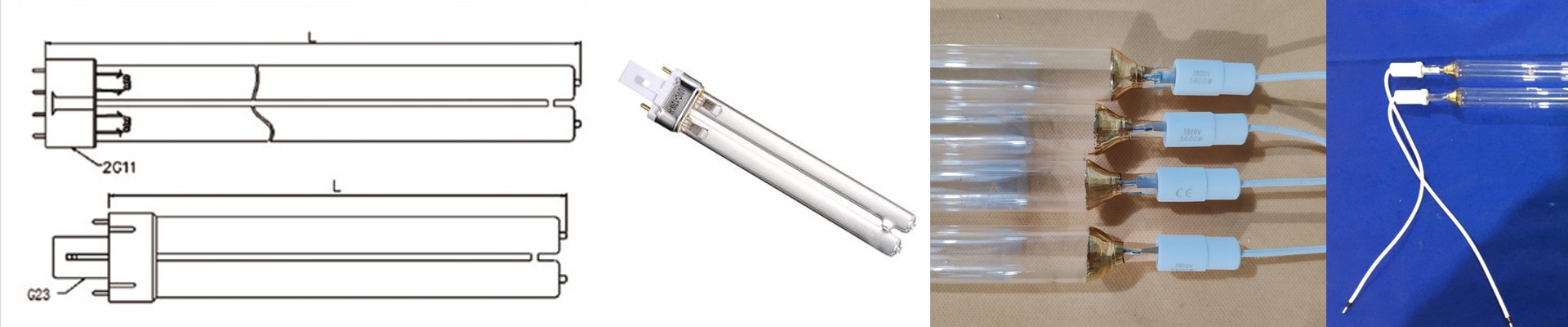
Let’s be honest: nobody likes it when a UV tube burns out right in the middle of a big production run. It’s a headache you just don’t need. To stop that from happening, we focus on one thing: handling the heat. These tubes live in a world of high-pressure discharge and constant thermal stress. If they can’t take the heat, they fail. Plain and simple. It all starts with the glass. We use high-purity fused quartz because it lets the UV light fly right through without getting trapped. When you use cheap, impure quartz, the tube holds onto heat. That’s bad news. It softens the glass and kills the mercury vapor. We also obsess over the wall thickness—it has to be just right so the tube can handle the internal pressure without cracking if someone bumps into the machine. Then there’s the “spark.” The real danger zone for a lamp is the moment it kicks on. That initial surge of power can chew through electrodes if they aren’t built right. We use thoriated tungsten alloys to make it easier for the arc to strike. It means less voltage is needed to get things moving, which keeps the electrodes from burning out prematurely. As for the light itself? We tweak the mercury-argon gas mix until the spectral peak hits that sweet spot between 254nm and 365nm. How we keep the price down. You might wonder how we keep these affordable without cutting corners. Here’s the thing: we do everything ourselves. We draw the quartz and weld the electrodes in-house. By cutting out the middlemen, we can pass those savings directly to you. These are drop-in replacements, so they’ll work easily with your current ballast and reflectors. Just a heads-up: if you crank these tubes up to their max wattage, your conveyor system is going to get hot.**Really hot.**If your cooling fans aren’t up to the task of moving all that heat, your tube life will tank. Keep an eye on your operating temps and try to avoid “cold starts” to prevent thermal shock. It’ll save you a lot of money in the long run.