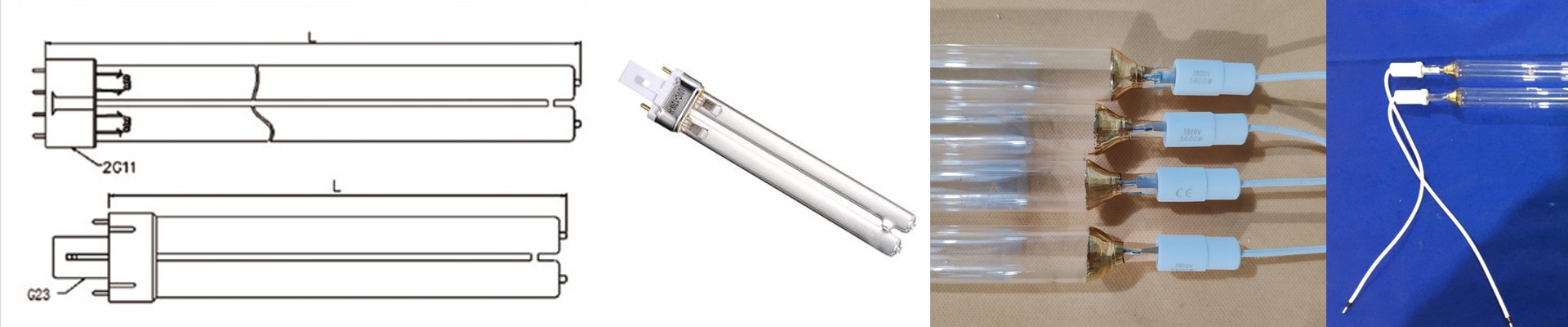
Stop Treating Your UV Lamps Like Disposable Trash
Most people just buy UV bulbs and toss them when they die. They treat them like lightbulbs for a hallway. But here’s the thing: a really good lamp is actually a delicate balancing act between mercury pressure and the purity of the quartz glass. When you see a “wholesale” price that looks too good to be true, it usually is. Those vendors are almost always cutting corners on the quartz grade or using cheap electrode coatings to save a buck. We do things differently. We handle everything in-house, from start to finish, so we don’t have to cheat on the materials.
The science bit (kept simple)
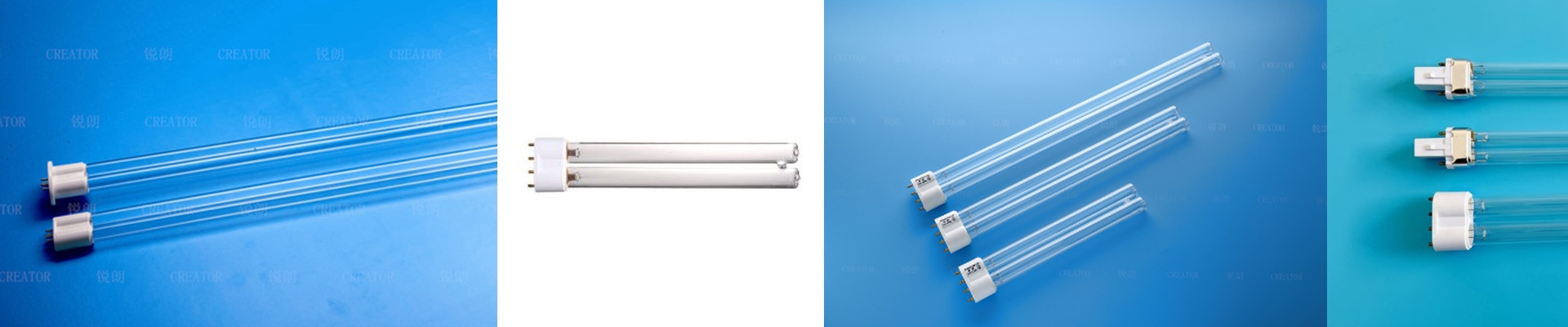
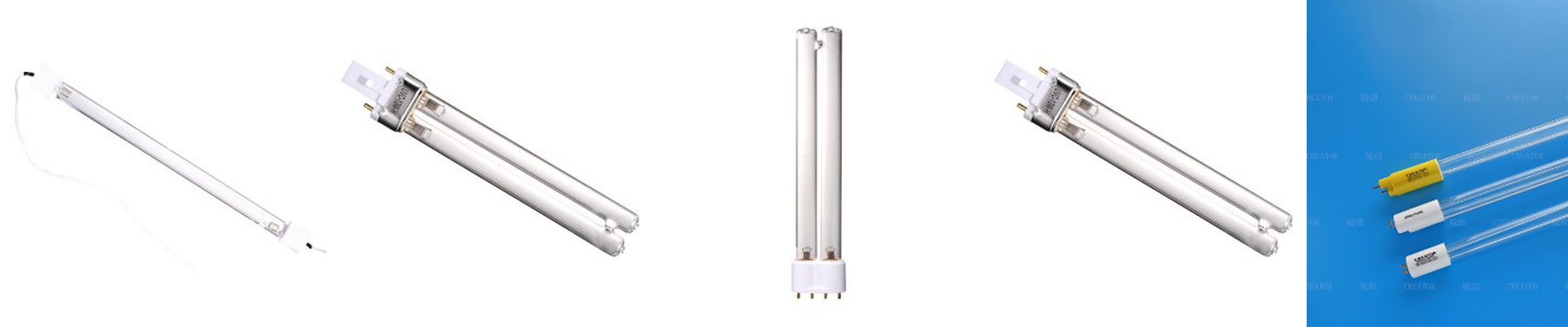
Our tubes are tuned to hit that 253.7nm sweet spot. That’s where the magic happens for curing or killing germs. To keep that power consistent, we use high-purity synthetic quartz. Why? Because of something called “solarization.” That’s just a fancy way of saying the glass clouds over. If you use cheap glass, your UV output can tank by 20% in just a few hundred hours. It’s frustrating, and it wastes your money.
No middlemen, no headaches
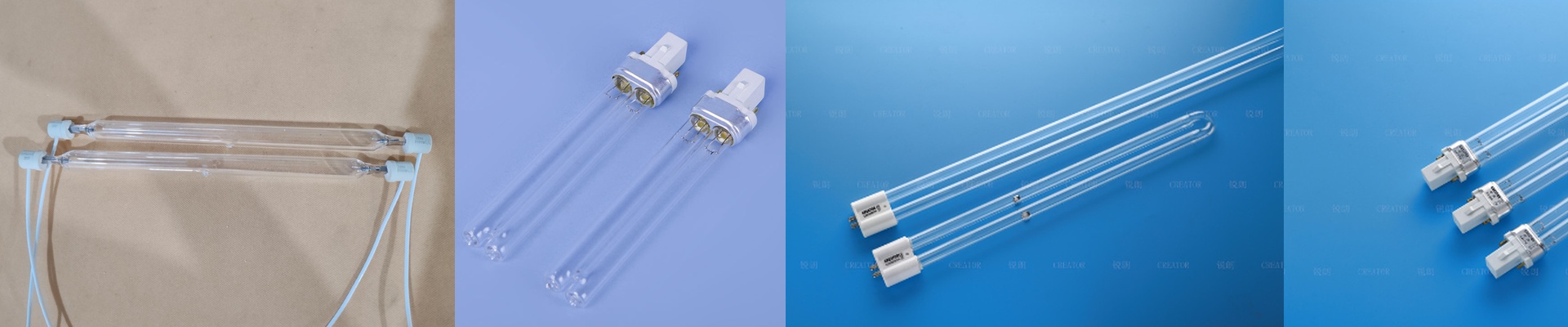
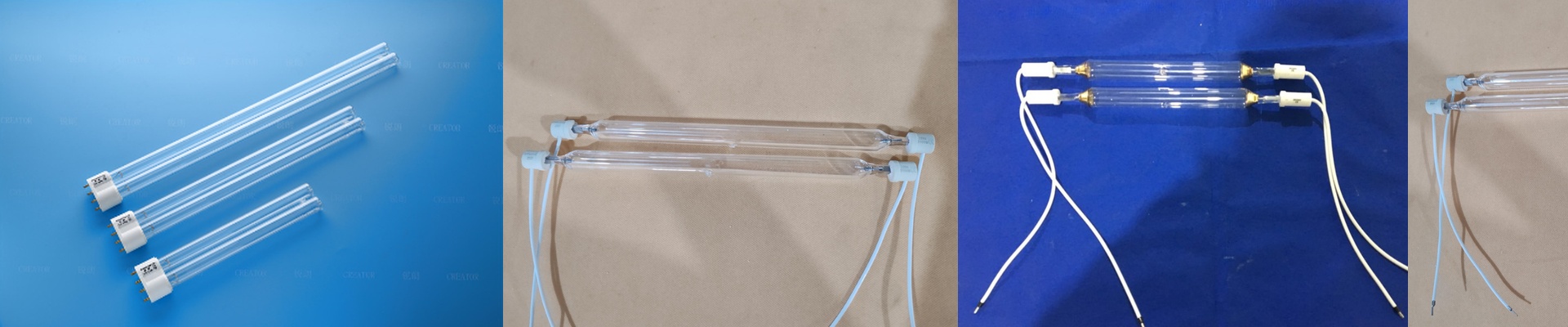
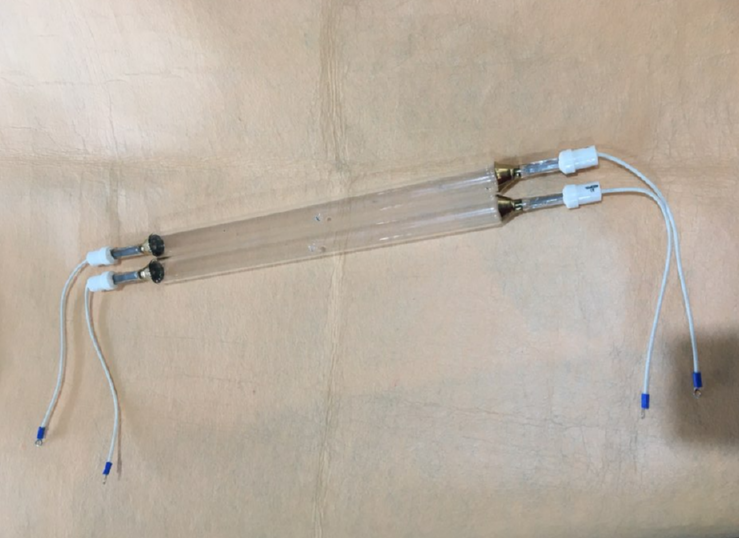
We make the quartz tubing. We make the seals. We do it all. By building our own electrodes, we stop those annoying premature burn-outs at the end caps. Plus, because we aren’t paying a middleman to ship parts around, you aren’t paying a markup for nothing. The best part? These are drop-in replacements. You just pop them into your existing ballast and get back to work. No rewiring your entire rack, no swearing at a manual for three hours.
A quick heads-up on heat
Here is the honest truth: high-output lamps get hot. Really hot. We push the wattage so you can cure things faster, but that puts a lot of stress on your reflectors. Make sure your cooling fans are actually doing their job. If the tube overheats, the mercury pressure shifts and your UV output actually drops. It’s counterintuitive, but it’s physics. At the end of the day, you aren’t paying for a shiny brand name here. You’re paying for raw materials and a seal that actually holds. We’ll give you the technical specs; you just make sure they fit your machine’s footprint. Simple as that.