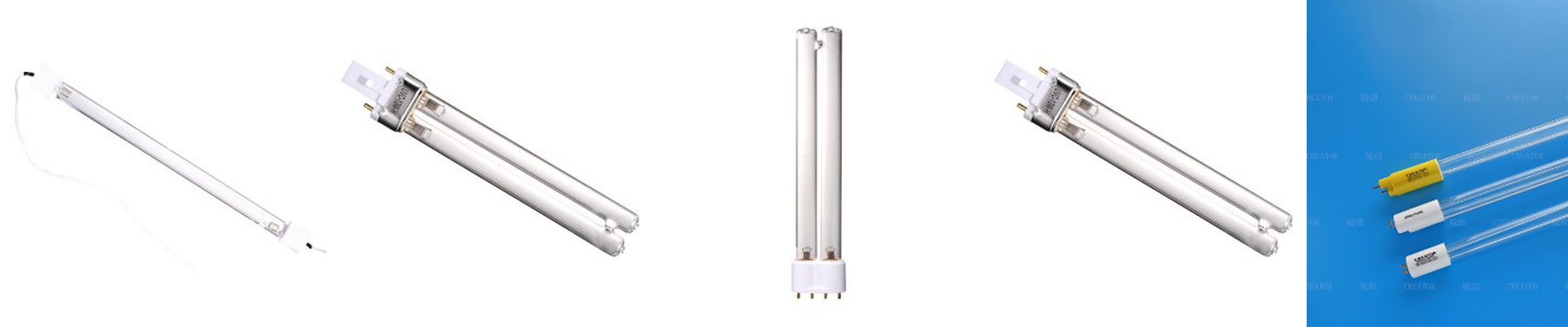
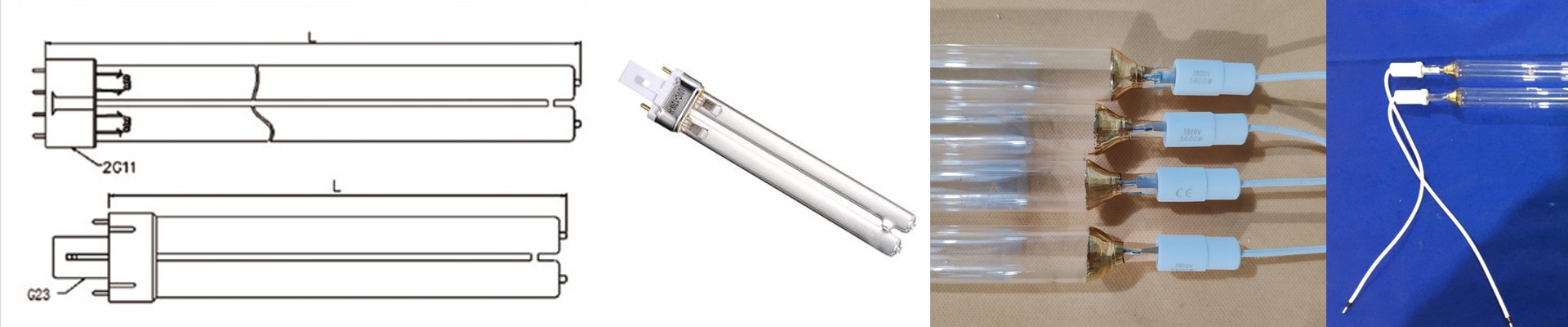
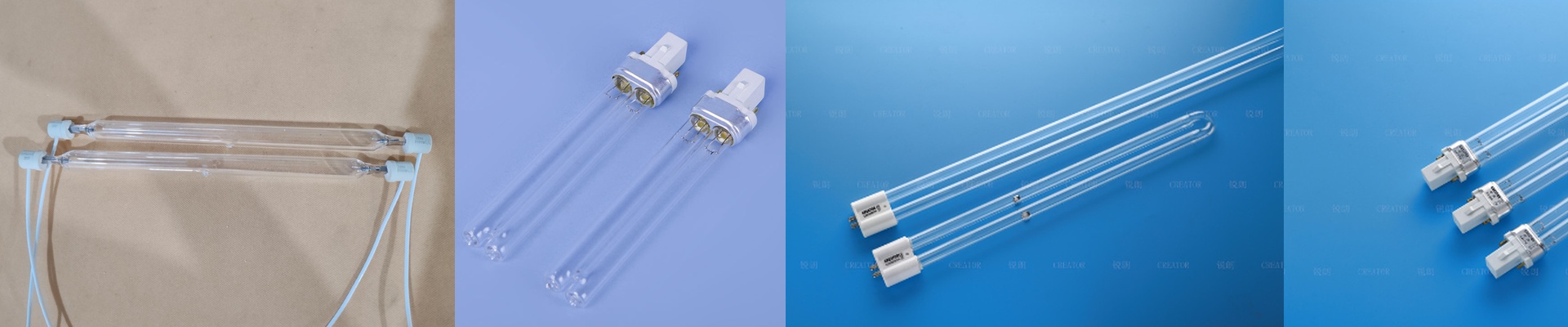
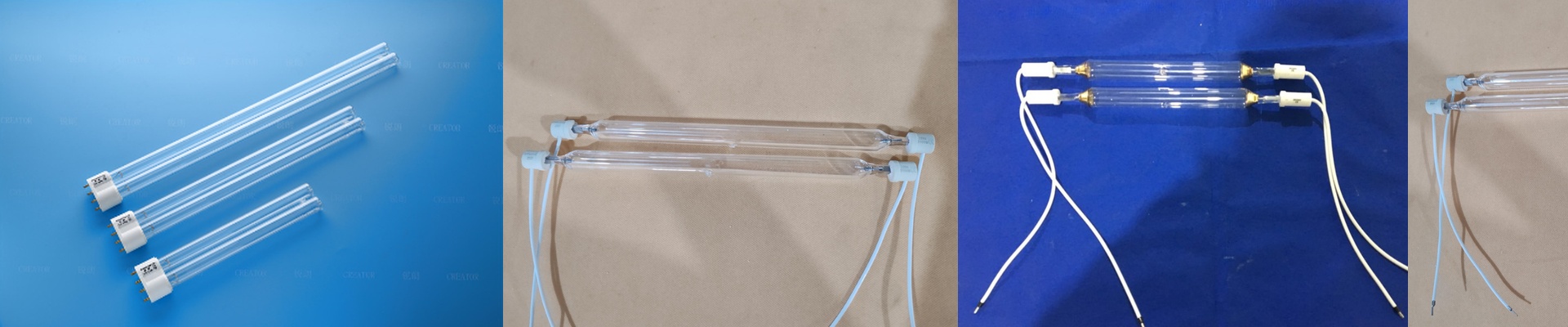
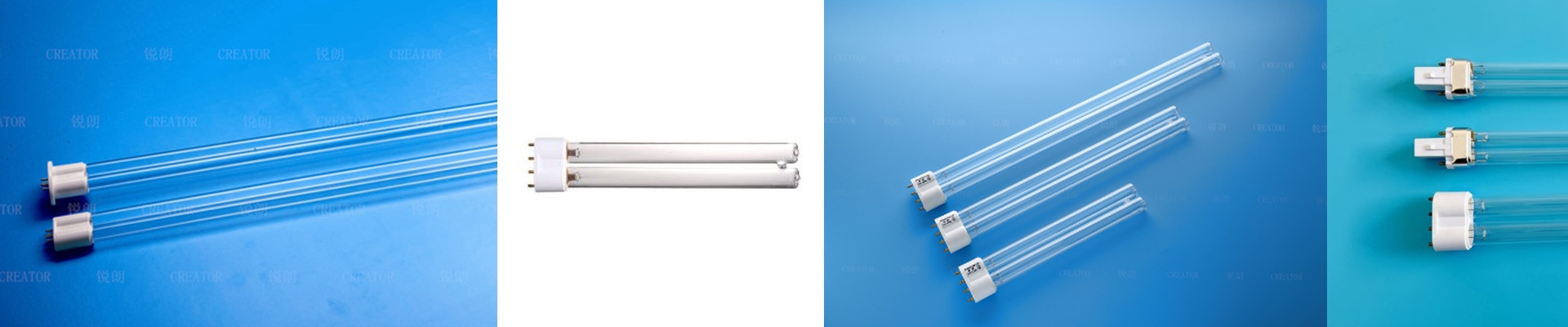
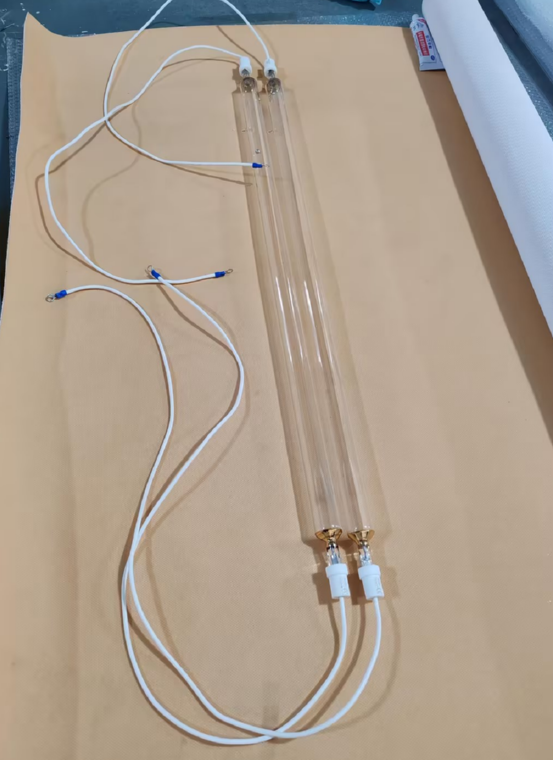
Why we do things differently with our UV lamps
Let’s be honest: most people buying UV lamps get ripped off. You usually deal with a distributor who doesn’t know the first thing about the physics of a tube, but they still tack on a massive markup. We decided to stop that. We handle everything—from sourcing the raw quartz to assembling the electrodes. By cutting out the middleman, we can give you a price that actually makes sense without gutting the quality. You get the spectral output you need for real sterilization or curing, and you don’t pay a “distributor tax” to get it. The real talk on power and output UV lamps aren’t some one-size-fits-all gadget. You’ve got to match the wavelength to what you’re actually working on. Maybe it’s 254nm for killing germs, or maybe it’s a broader band for curing polymers. Here is the problem with cheap tubes: the wattage drifts. If your power density drops by even 10%, your conveyor belt has to slow down. That kills your productivity. It’s frustrating. That’s why we build our tubes to stay rock-solid. We make sure the output is consistent across the entire length of the glass. No “cold spots,” no guesswork. Just a steady stream of UV. It’s all in the glass (and the ends) Not all glass is created equal. If you use standard glass, it just blocks the UV. We use high-transmittance fused quartz because it actually lets the light through. I’ve seen cheap imports that use low-grade silica. They look fine at first, but after 500 hours, they cloud over. They’re basically useless. Then there are the electrodes. Cheap ones “sputter,” which creates that nasty blackening at the ends of the tube. It looks bad, sure, but it’s worse than that—it blocks the UV flux. You end up tossing the lamp way sooner than you should. We design ours to resist that wear and tear. One thing to keep in mind High-output lamps get hot. Really hot. We push the wattage so you can speed up your curing time, but you have to make sure your housing can breathe. If your cooling fans quit, the quartz will overheat. When that happens, the spectral peak shifts and your sterilization doesn’t work as well. We provide the raw power. Just make sure your cooling system is up to the task.